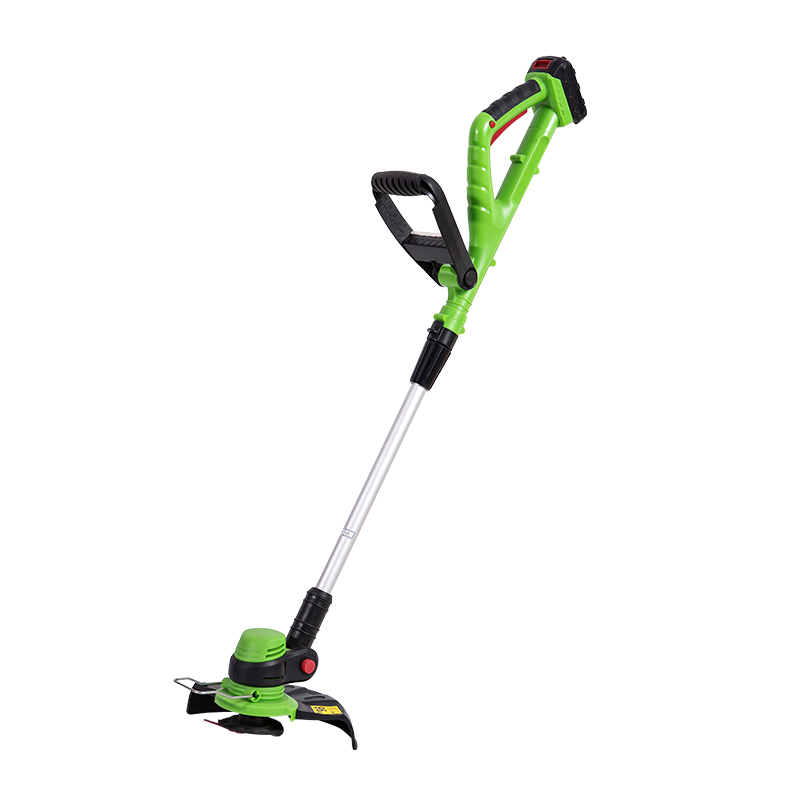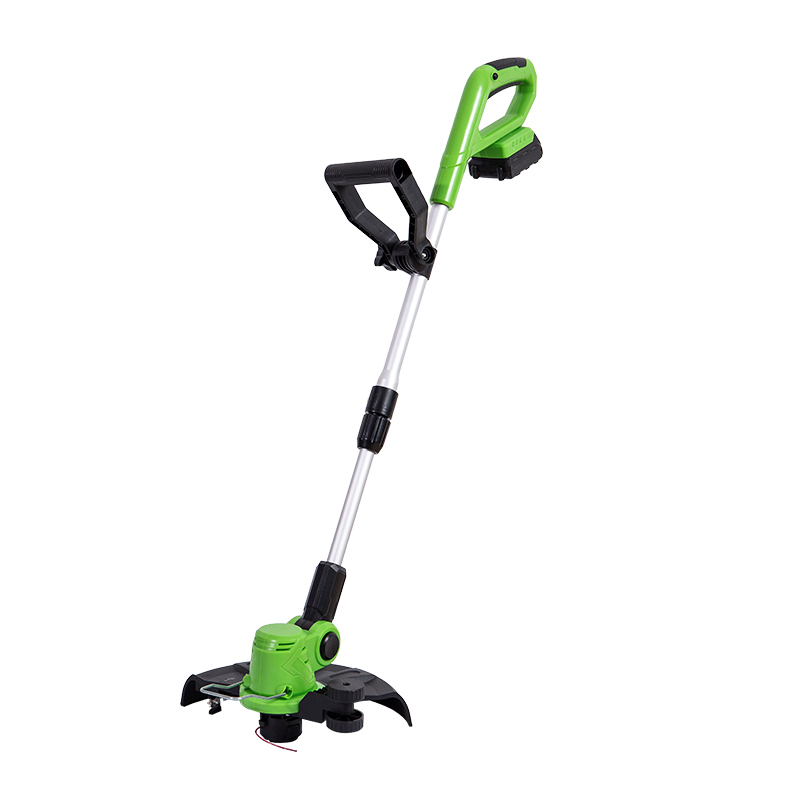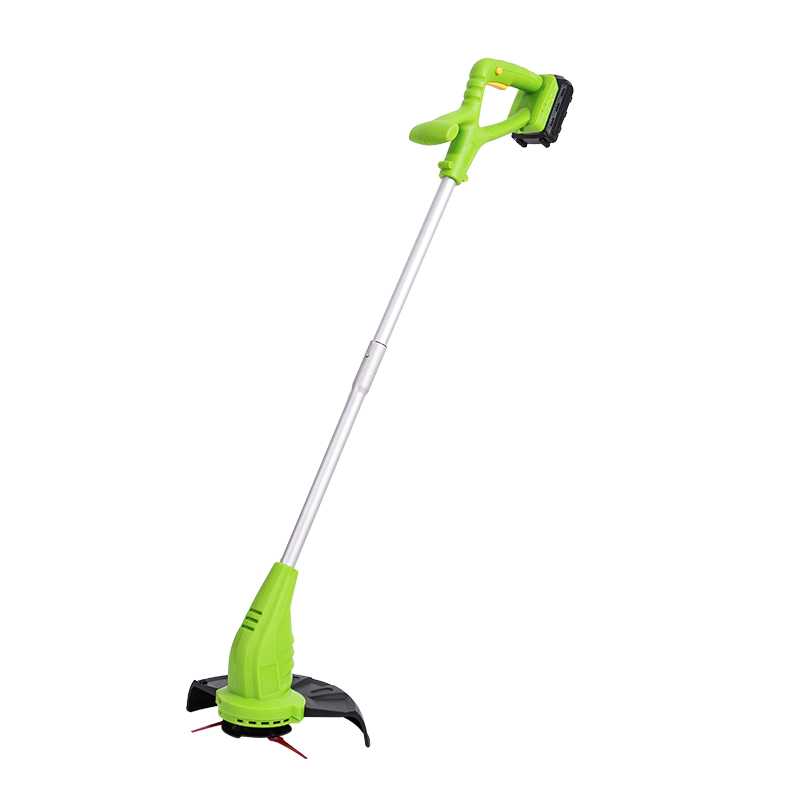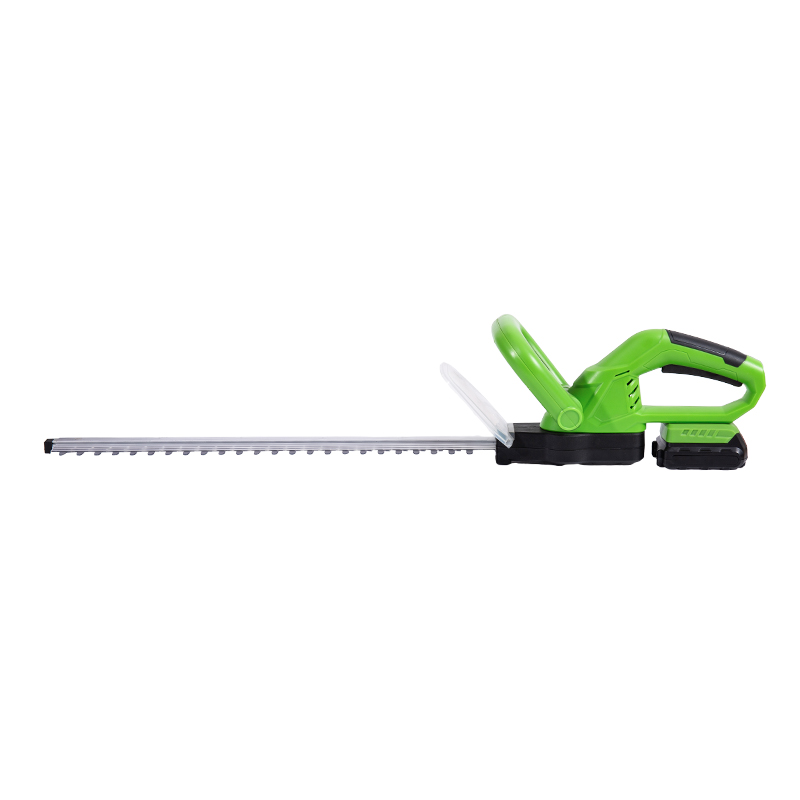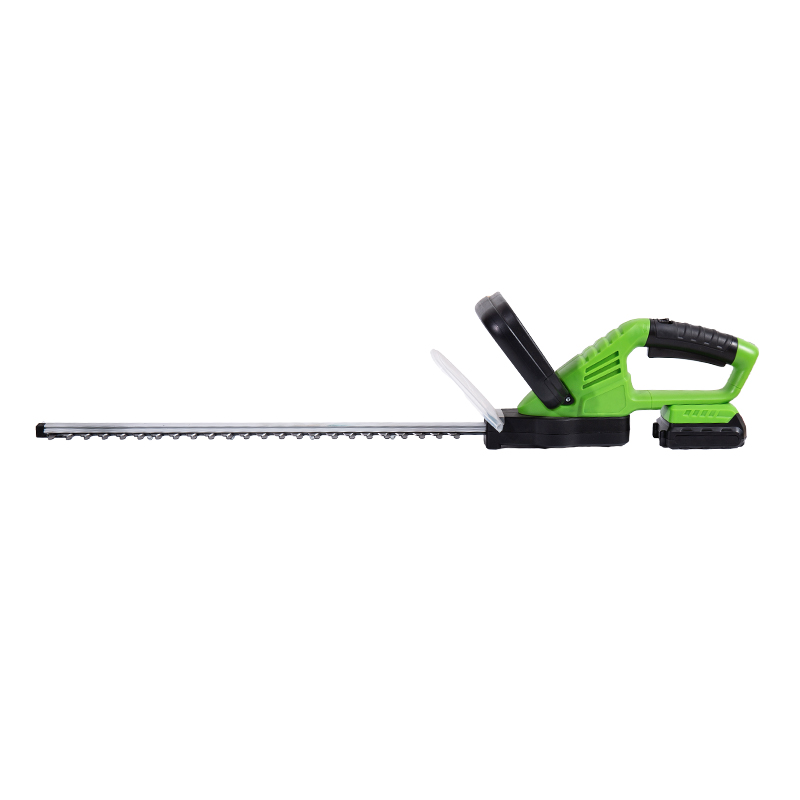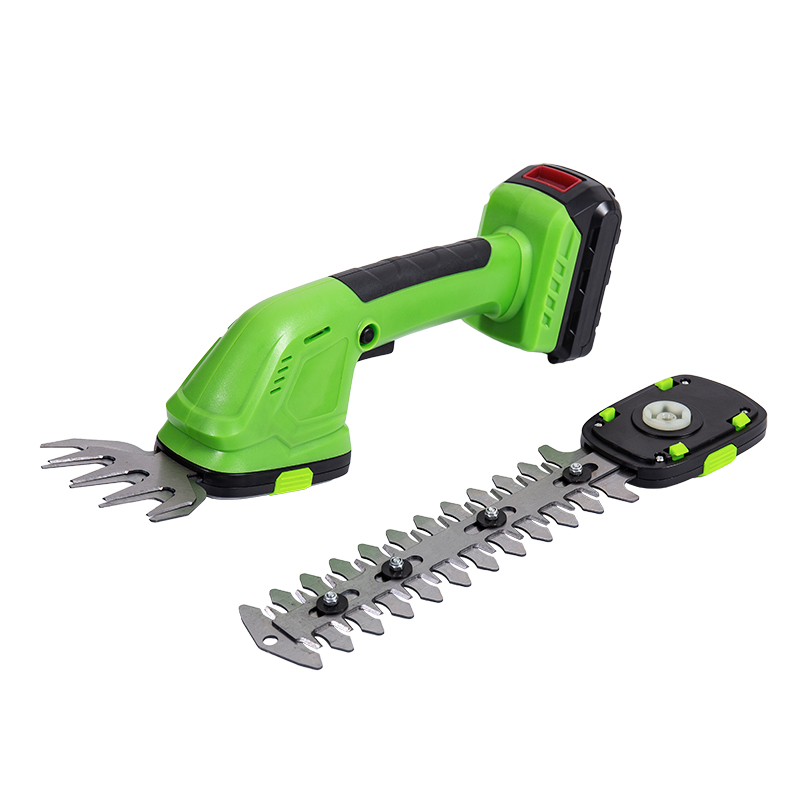
The rise of cordless, battery-powered garden tools has revolutionized the way we maintain our lawns and outdoor spaces. Among these tools, the battery string trimmer is a popular choice due to its convenience, ease of use, and environmental benefits.
A battery string trimmer, also known as a cordless grass trimmer, operates with a rechargeable battery instead of gas or a cord. This design offers several benefits, such as quiet operation, minimal maintenance, and the absence of exhaust fumes. Battery string trimmers are powered by lithium-ion batteries, which are lightweight and provide sufficient runtime for residential lawn care tasks.
However, like any power tool, their performance depends on factors such as battery capacity, motor power, and the type of vegetation being trimmed. While they excel at trimming grass and light vegetation, the question remains: can they handle tougher lawn jobs such as thick weeds, overgrown brush, or dense grass patches?
Motor power is one of the crucial factors that determine the performance of a battery string trimmer. A higher-powered motor delivers more torque, enabling the trimmer to cut through tougher vegetation with ease. Some advanced battery string trimmers come with brushless motors, which are more efficient and produce less heat, resulting in longer runtimes and higher performance in demanding tasks.
For standard lawn maintenance, a lower-powered motor may be sufficient. However, when dealing with thick grass or weeds, it is important to select a trimmer with enough power to avoid bogging down.
Battery life is a significant concern for anyone considering a cordless tool. While battery-powered trimmers are convenient, their runtime is often limited by the capacity of the battery. For light-duty tasks, such as trimming grass along sidewalks or flowerbeds, battery string trimmers will suffice. However, if you have a large yard or need to tackle thicker vegetation, you may need a trimmer with a larger battery or a spare battery to avoid interruptions.
The runtime of a battery-powered trimmer can vary greatly depending on the battery capacity (measured in Ah – amp hours) and the type of vegetation being trimmed. Manufacturers often provide estimates of runtime per battery charge, but in practice, tougher lawn jobs will deplete the battery faster.
The cutting width and line speed of a battery string trimmer are important factors that affect its efficiency. A wider cutting swath allows you to cover more ground quickly, while a higher line speed ensures a faster cut through dense grass or tough weeds. Many modern battery trimmers offer variable speed settings, allowing you to adjust the performance depending on the job at hand.
For heavy-duty tasks like clearing thick brush or cutting through tall, dense grass, it may be necessary to use a trimmer with a wider cutting path and higher line speed to reduce the time spent on the job.
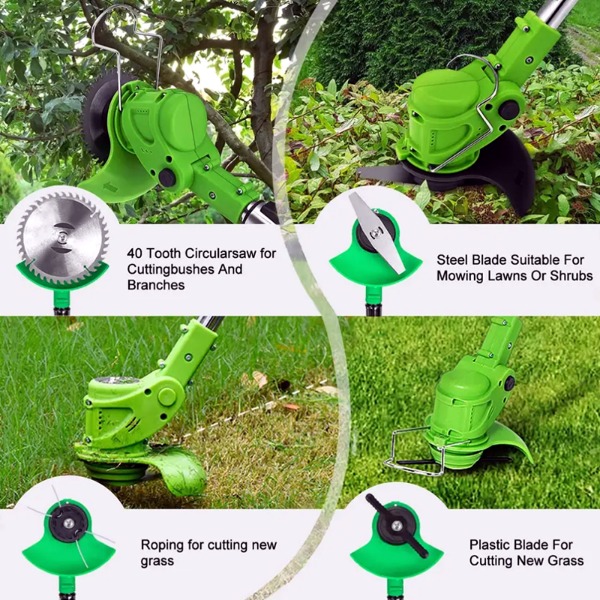
The type and thickness of the trimmer line also play a role in how well the tool handles tough vegetation. Thicker, more durable lines can handle tougher grass and weeds, whereas thinner lines may break or wear down quickly under heavier use. String trimmers typically use either monofilament lines or composite lines, with the latter offering better durability and cutting power.
For tougher jobs, trimmers with heavy-duty or reinforced line options can provide a better cutting experience.
The weight of the trimmer is another critical factor when considering the type of work you’ll be doing. Lighter models are easier to handle for lighter tasks and provide better maneuverability in tight spaces. However, when it comes to tackling dense brush or overgrown grass, a slightly heavier trimmer with better ergonomics may provide better control and stability during use.
Battery string trimmers are a great choice for many lawn care needs, but they have limitations when it comes to more demanding jobs. Let’s break it down:
Light Lawn Maintenance: For regular lawn trimming, edging along walkways, and clearing grass from flower beds, a battery string trimmer excels. It’s a convenient and eco-friendly option that can get the job done without much hassle.
Tough Lawn Jobs: When faced with thick weeds, overgrown patches of grass, or brush clearing, a battery-powered trimmer may struggle to keep up with a gas-powered trimmer. However, a high-powered, professional-grade battery trimmer with a robust motor, heavy-duty line, and a larger battery can handle more challenging tasks. Such models are designed for homeowners with larger yards or more demanding trimming jobs.
Brush Clearing: While a battery string trimmer can handle light brush clearing, dense brush or heavy undergrowth typically requires a tool specifically designed for the task, such as a brush cutter. That said, certain battery string trimmers designed for “tough use” may be able to handle moderate brush clearing in specific scenarios.
While gas-powered string trimmers are often seen as more powerful and suitable for heavy-duty tasks, battery-powered models have made significant advancements in recent years. With the right design and features, a battery string trimmer can match or even surpass gas trimmers for certain residential applications.
| Feature | Battery String Trimmer | Gas-Powered Trimmer |
|---|---|---|
| Power Source | Rechargeable battery (Lithium-ion) | Gasoline |
| Weight | Lighter, more portable | Heavier, bulkier |
| Maintenance | Low maintenance (no oil or fuel) | Higher maintenance (oil, fuel) |
| Noise Level | Quiet operation | Louder, more disruptive |
| Runtime | Limited by battery life | Unlimited with fuel supply |
| Performance (Heavy Duty) | Suitable for light to moderate tasks | Best for heavy-duty tasks |
| Environmental Impact | Eco-friendly (zero emissions) | Higher emissions and environmental impact |
Manufacturers of cordless grass battery string trimmers are continuously working to improve their products. With advancements in battery technology, trimmer motor efficiency, and cutting line durability, these tools are becoming more capable of handling a wider range of tasks. For users with moderate to heavy trimming needs, newer models featuring higher-powered motors, longer-lasting batteries, and more robust designs are now available.
1. How long does the battery of a cordless grass string trimmer last?
The runtime depends on the battery capacity and the type of work being done. For lighter tasks, the battery can last between 30 minutes to an hour. For tougher jobs, consider models with larger batteries for extended runtime.
2. Can a battery string trimmer clear thick brush?
While some higher-end models are designed for tougher vegetation, battery trimmers are generally not ideal for heavy brush clearing. Consider a dedicated brush cutter for such tasks.
3. How do I extend the battery life of my string trimmer?
To extend battery life, always store the battery in a cool, dry place, avoid overcharging, and ensure the trimmer is used at the appropriate speed setting for the task at hand.
4. Are battery string trimmers more eco-friendly than gas-powered models?
Yes, battery trimmers produce zero emissions during operation, making them a more environmentally friendly choice compared to gas-powered trimmers, which emit pollutants.
5. What are some key features to look for in a battery string trimmer?
When choosing a battery string trimmer, consider motor power, battery capacity, cutting width, and line type. Also, check if the trimmer has adjustable speeds and ergonomic features for better comfort and control during use.
No.888 Zijin Road, Dongshan Town, Wuzhong District, Suzhou City, Jiangsu Province, China, 215107
+86-18994336227
+86-0512-66399580
Copyright © Suzhou Yuyuan Machinery Co., Ltd. All Rights Reserved.
 English
 Español