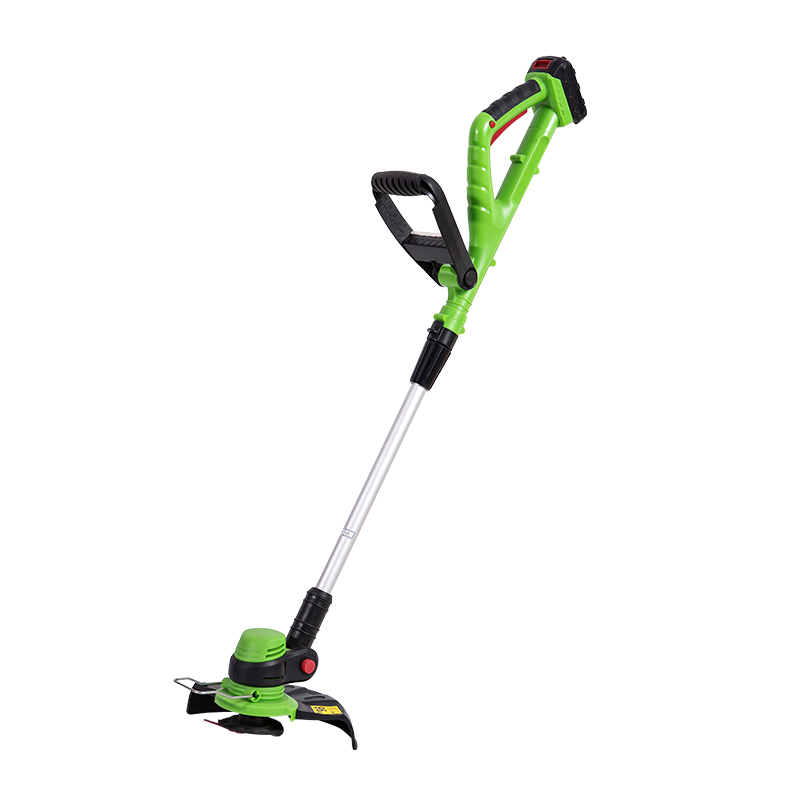
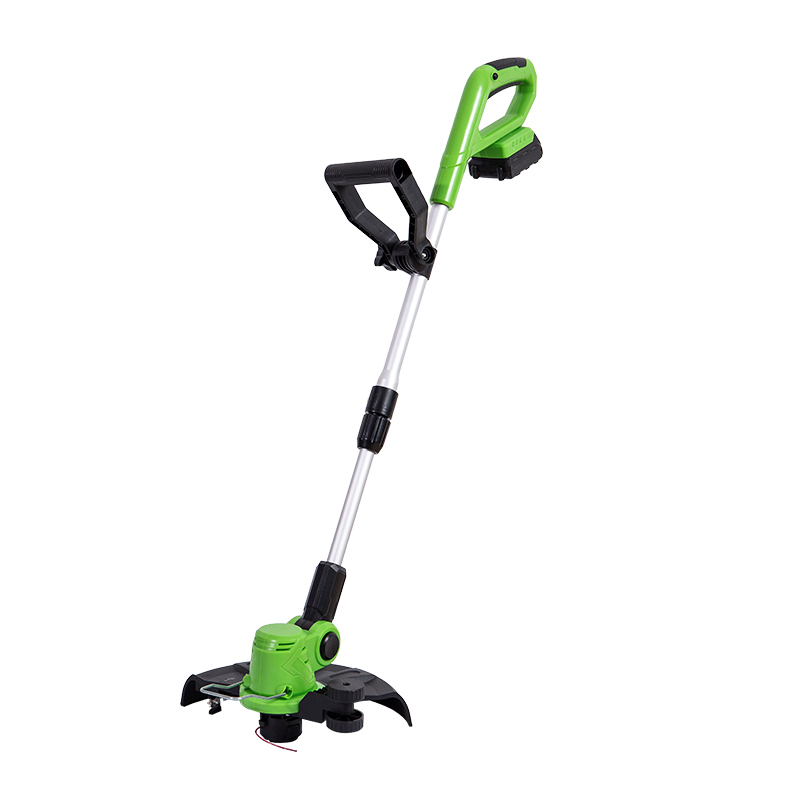
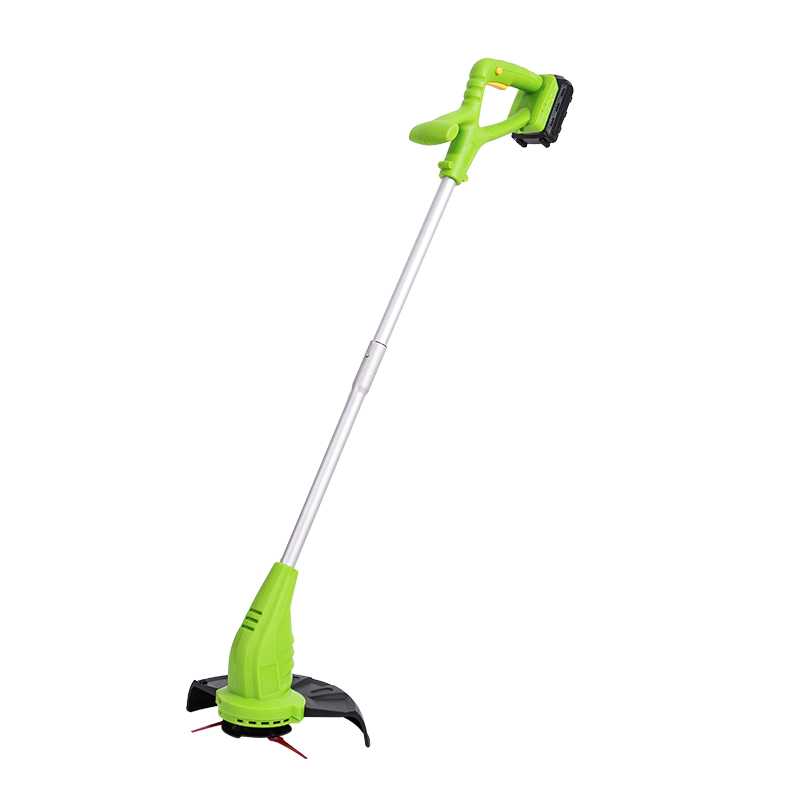
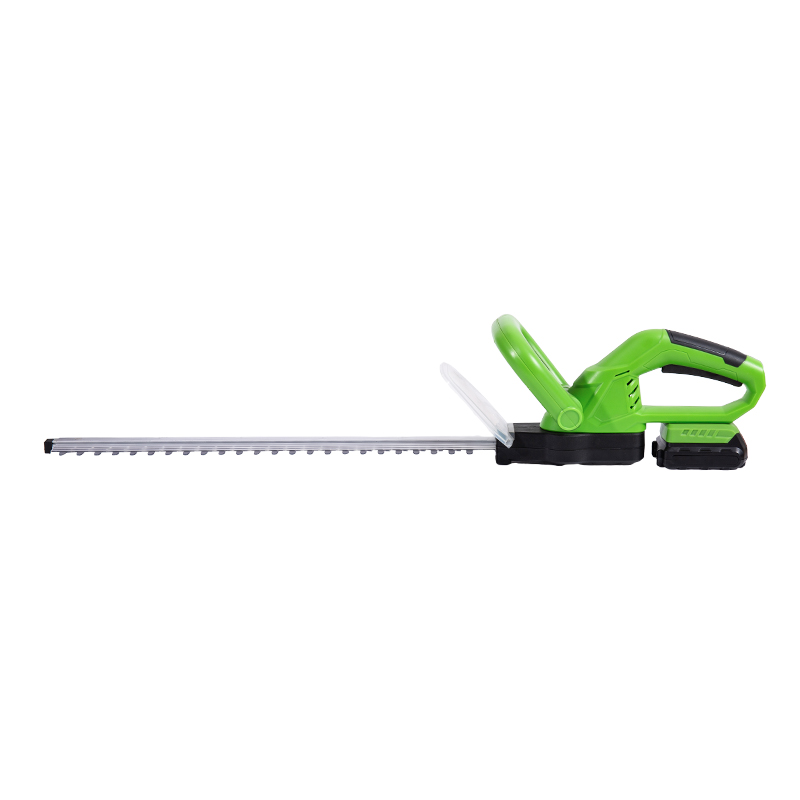
A
corded cordless electric hedge trimmer is an efficient garden power tool designed for trimming hedges, shrubs, bushes, and decorative plants. These versatile tools are essential for residential garden maintenance, commercial landscaping projects, public parks and green spaces, property management, and professional gardening services. Homeowners, landscaping companies, garden equipment distributors, and outdoor power tool buyers choose electric hedge trimmers for their flexible power options, precise cutting performance, low maintenance requirements, quiet operation, lightweight handling, and environmentally friendly operation. Hedge trimmer selection directly affects cutting efficiency, garden appearance, operator comfort, equipment lifespan, and maintenance costs.
What Is a Corded Cordless Electric Hedge Trimmer?
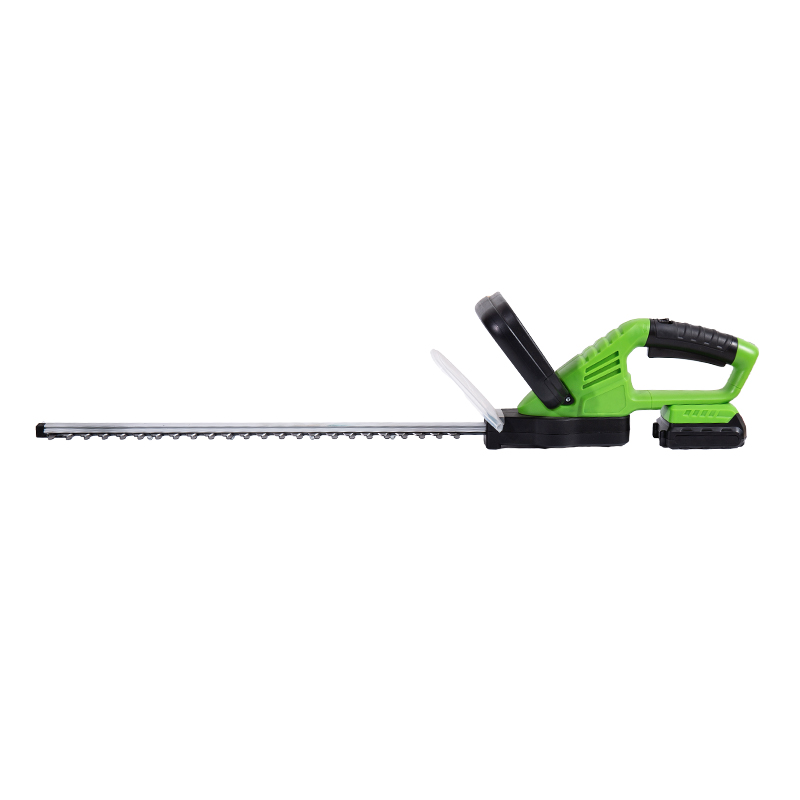
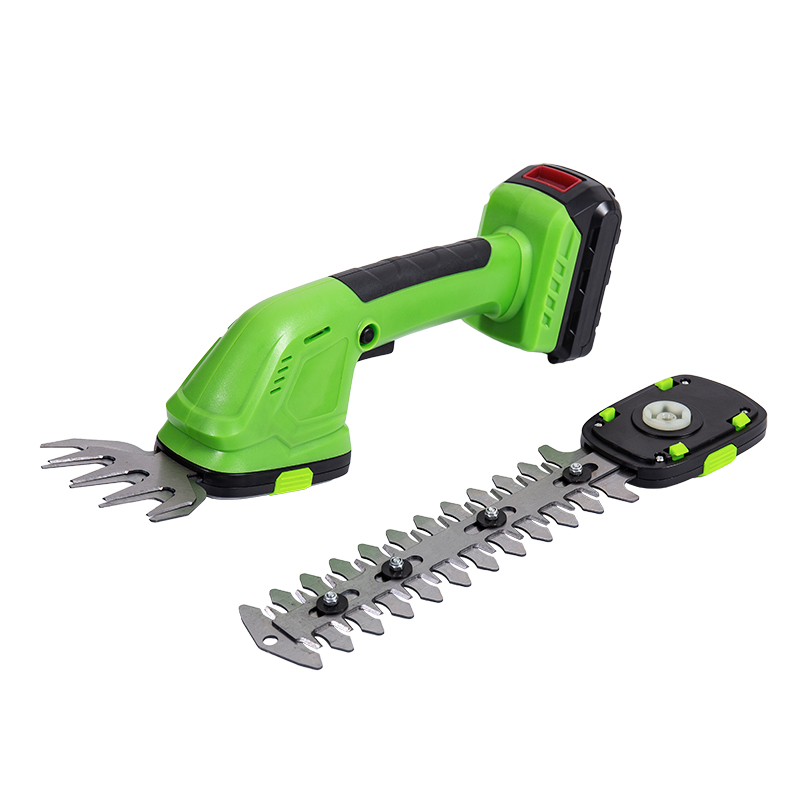
A corded cordless electric hedge trimmer is a powered cutting tool using an electric motor and reciprocating blades for trimming hedges and plant branches. Understanding the structure and components helps buyers evaluate quality and performance.
Structural Components and Their Functions
Every electric hedge trimmer consists of eight essential components working together to deliver cutting performance:
- Electric motor: Provides the cutting power, available in brushed or brushless configurations for different performance levels.
- Cutting blades: Perform trimming operations with dual-action or single-action cutting designs for clean, precise cuts.
- Blade guard: Protects the user and prevents damage during storage and transport.
- Battery system (cordless models): Provides portable power with various voltage and capacity options for extended runtime.
- Power cord system (corded models): Delivers continuous electricity supply for unlimited runtime.
- Handle assembly: Provides control and operation comfort with ergonomic grip designs.
- Safety switch: Reduces operation risks with dual-handle activation and trigger lock mechanisms.
- Gear transmission system: Transfers motor energy to the blades efficiently for consistent cutting performance.
How Electric Hedge Trimmers Work
The electric motor drives reciprocating blade movement, creating a scissor-like cutting action that cleanly severs branches. Two-sided or single-sided blades create the cutting action. The power source — either battery or direct electricity — supplies energy for operation. Adjustable cutting angles improve flexibility for different trimming positions. Common functions include hedge shaping, branch trimming, shrub maintenance, and garden decoration cutting.
1 Motor design & power system
2 Blade manufacturing
3 Battery & electrical assembly
4 Assembly & quality testing
Types of Corded Cordless Electric Hedge Trimmers
Corded cordless electric hedge trimmers are available in various configurations to suit different applications, garden sizes, and user requirements.
| Trimmer Type |
Key Features |
Best Applications |
Power Source |
| Corded Electric |
Continuous power, lightweight, stable operation |
Small gardens, residential yards |
Direct electricity |
| Cordless Battery |
Portable operation, flexible movement |
Large gardens, obstacle areas |
Rechargeable battery |
| Lightweight |
Compact design, reduced fatigue, easy storage |
Home gardening, regular maintenance |
Corded or battery |
| Heavy Duty |
Powerful motor, longer blades, higher capacity |
Professional landscaping, large properties |
Corded or high-voltage battery |
| Telescopic |
Adjustable shaft, extended reach, improved safety |
High hedges, commercial maintenance |
Corded or battery |
| Custom Solutions |
Motor specs, battery capacity, blade length |
Garden tool brands, OEM projects |
Tailored specifications |
Select the right trimmer type based on your garden size and application needs. Corded for small gardens with power access; cordless for large areas and mobility; lightweight for occasional home use; heavy duty for professional landscaping; telescopic for high hedges; custom for brand-specific requirements.
Manufacturing Process and Quality Standards
Corded cordless electric hedge trimmers undergo a precision manufacturing process that ensures performance, durability, and safety. Understanding this process helps buyers evaluate supplier capabilities and product value.
Motor Design and Power System Development
The production process begins with motor selection and electrical system assembly. Power efficiency optimization ensures optimal performance. Important factors include motor performance (power output and speed), energy consumption (efficiency), operating stability (consistent cutting), and product lifespan (durability).
Blade Manufacturing and Cutting System Design
Steel blade production involves precision cutting and shaping. The blade sharpening process ensures clean cuts. Gear transmission systems transfer motor power efficiently. Performance factors include cutting efficiency (speed and precision), blade durability (wear resistance), and branch cutting capacity (maximum branch diameter).
Battery and Electrical Component Assembly
For cordless models, battery integration includes cell selection and assembly. The charging system ensures safe and efficient recharging. Circuit protection prevents overload and damage. Power management optimizes battery life and performance. Requirements include safety compliance, battery life (runtime), and stable performance.
Assembly and Quality Testing
Electric hedge trimmers undergo comprehensive testing: motor performance testing (power and speed), blade operation testing (cutting quality), battery safety testing (protection systems), noise testing (sound levels), vibration testing (operator comfort), and cutting performance inspection (branch capacity). Quality requirements include reliable operation, safety performance, and long service life.
Key Advantages of Corded Cordless Electric Hedge Trimmers
The value proposition of corded cordless electric hedge trimmers extends beyond basic cutting — delivering measurable benefits for homeowners, landscapers, and commercial buyers.
Efficient Cutting
Fast trimming speed, accurate shaping, and consistent cutting performance improve landscaping efficiency and deliver better garden appearance with less effort.
Quiet & Eco-Friendly
Lower operating noise enables use in residential areas. No fuel emissions reduce environmental impact. Cleaner maintenance process simplifies ownership and care.
Easy Operation
Lightweight structure, comfortable handles, and balanced weight distribution reduce operator fatigue and provide better control during trimming operations.
Low Maintenance
No fuel maintenance, simple cleaning requirements, and fewer mechanical components reduce ownership costs and simplify long-term maintenance.
Primary Applications Across Industries
The versatility of corded cordless electric hedge trimmers makes them suitable for a broad spectrum of applications, each with specific performance requirements.
- Residential garden maintenance: Home gardens, backyard hedges, and decorative shrubs requiring easy operation, lightweight design, and reliable performance.
- Commercial landscaping services: Landscaping companies, gardening contractors, and property maintenance teams requiring durability, efficient operation, and long working time.
- Public parks and green space management: Parks, community gardens, and urban landscaping areas requiring stable performance, low noise operation, and easy maintenance.
- Garden equipment distribution and wholesale: Garden tool distributors, hardware suppliers, and outdoor equipment retailers prioritizing product quality, production capacity, and OEM capability.
Electric Hedge Trimmer vs Other Garden Tools
Making an informed decision requires understanding how electric hedge trimmers compare to alternative garden tools.
Electric vs Gas Hedge Trimmers
Electric offers lower noise, zero emissions, easier starting, and lower maintenance. Gas provides greater power for heavy-duty cutting but requires fuel mixing, more maintenance, and produces emissions. Electric is preferred for residential and light commercial use.
Hedge Trimmer vs Hedge Shears
Hedge trimmers offer significantly faster cutting, require less physical effort, and are better for large hedges. Hedge shears provide more precise shaping but require more time and effort. Trimmers are recommended for efficiency and large-scale trimming.
Corded vs Cordless Hedge Trimmers
Corded offers unlimited runtime and lighter weight but limited mobility. Cordless provides maximum mobility and flexibility but limited runtime and higher weight. Choose corded for small gardens with power access; cordless for larger areas and mobility.
How to Choose the Right Electric Hedge Trimmer
Selecting the optimal corded cordless electric hedge trimmer involves evaluating both the product and the manufacturer.
Key Manufacturer Evaluation Factors
For B2B buyers, supplier selection is as important as product selection. Assess potential manufacturers on: manufacturing experience (proven track record), motor technology (quality and efficiency), product testing capability (quality assurance), production capacity (volume and lead time), quality control (testing and certification), and customization support (design flexibility).
Critical Technical Specifications
When comparing products, examine these key parameters: motor power (watts or volts), battery voltage (for cordless models), battery capacity (ampere-hours), blade length (cutting width), cutting capacity (maximum branch diameter), cutting speed (strokes per minute), weight (operator comfort), and noise level (decibels). Specification tables from reputable manufacturers provide essential data for informed decision-making.
Maintenance and Care Guide
Proper care of corded cordless electric hedge trimmers extends service life and maintains cutting performance.
After Each Use
- Clean blades with brush or cloth
- Remove debris from blade area
- Check for blade damage or dullness
Monthly
- Lubricate blades with oil
- Check blade alignment
- Inspect power cord or battery
Seasonal
- Professional blade sharpening
- Full tool inspection
- Battery health check (cordless models)
Common Issues and Troubleshooting
- Motor failure: Usually caused by overheating or electrical issues — allow tool to cool, check power connections, and inspect for debris blocking ventilation.
- Reduced cutting performance: Results from dull blades or improper blade tension — sharpen blades or adjust tension according to manufacturer specifications.
- Battery problems: Cordless models may experience reduced runtime — recharge fully, check for damaged cells, or replace battery if necessary.
- Blade jamming: Caused by thick branches or debris — clear jammed material carefully and avoid cutting branches beyond the tool's capacity.
- Excessive vibration: Indicates blade imbalance or loose components — inspect and tighten all fasteners; replace damaged blades.
Future Trends
The corded cordless electric hedge trimmer industry continues to evolve with technological advances and changing market demands.
Higher Capacity Batteries
Advanced battery technology delivers longer runtime, faster charging, and improved performance. Higher voltage systems (60V+) provide power comparable to gas tools with the convenience of cordless operation.
Brushless Motor Technology
Brushless motors offer higher efficiency, longer lifespan, and improved torque performance. Reduced maintenance and better power management make brushless motors increasingly standard in premium models.
Smart Power Management
Integrated battery management systems optimize runtime and protect against over-discharge. Smart features including LED indicators, variable speed control, and automatic shut-off improve user experience and tool protection.
What is the difference between corded and cordless hedge trimmers?
Corded trimmers provide unlimited runtime and lighter weight but require access to a power outlet and extension cord. Cordless trimmers offer maximum mobility and flexibility but have limited runtime based on battery capacity. Choose based on your garden size and power accessibility.
What cutting capacity should I look for?
Cutting capacity (maximum branch diameter) typically ranges from 1/2 inch to 1 inch for residential models and up to 1.5 inches for professional models. Select a capacity that matches your hedge and shrub branch sizes for efficient trimming.
Are electric hedge trimmers powerful enough for large hedges?
Yes. Heavy-duty electric models with powerful motors (800W+) and longer blades are suitable for large hedges and professional landscaping. For very large properties, cordless models with high-capacity batteries (4Ah+) provide extended runtime.
How often should hedge trimmer blades be sharpened?
Blades should be sharpened every 10-20 hours of use or when cutting performance noticeably declines. Professional sharpening services are recommended for optimal results, though some users sharpen blades with appropriate tools and techniques.
What safety features should I look for?
Essential safety features include dual-handle activation (requiring both hands to operate), trigger lock mechanisms, blade guard, and anti-vibration systems. Some models also include automatic shut-off and overload protection for enhanced safety.

 English
 Español