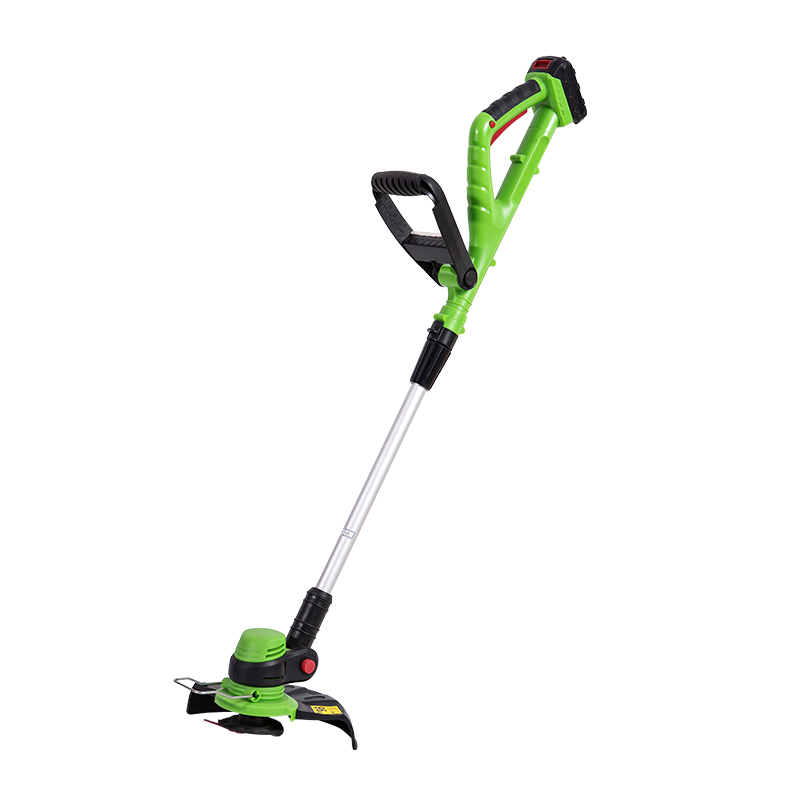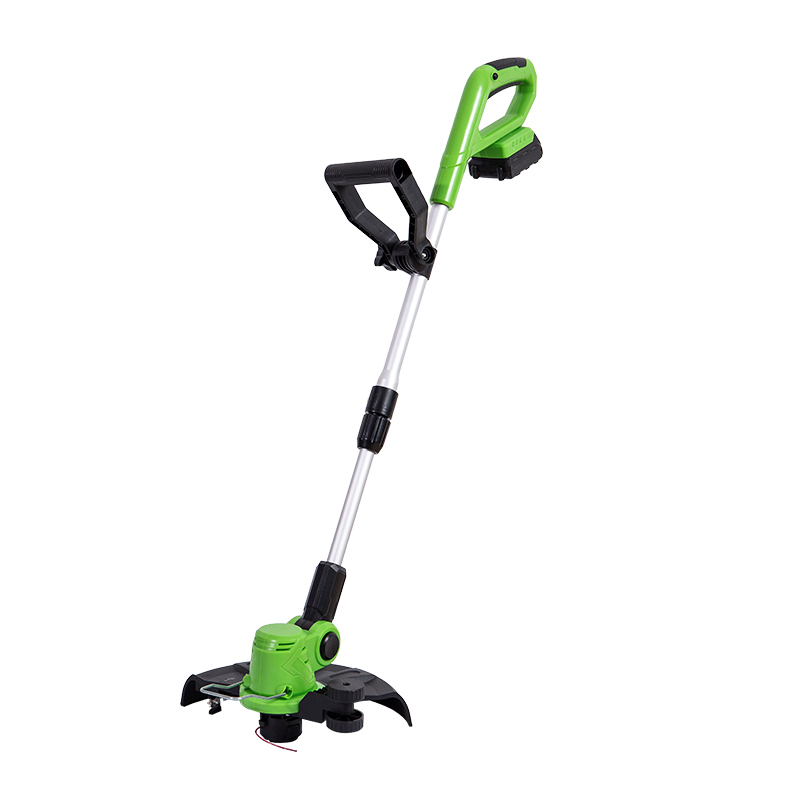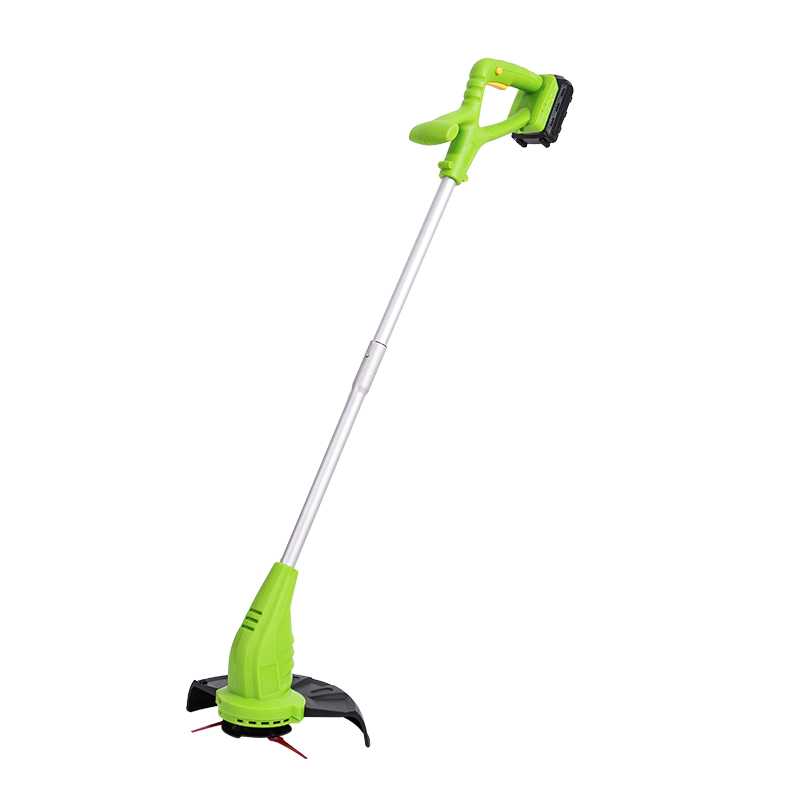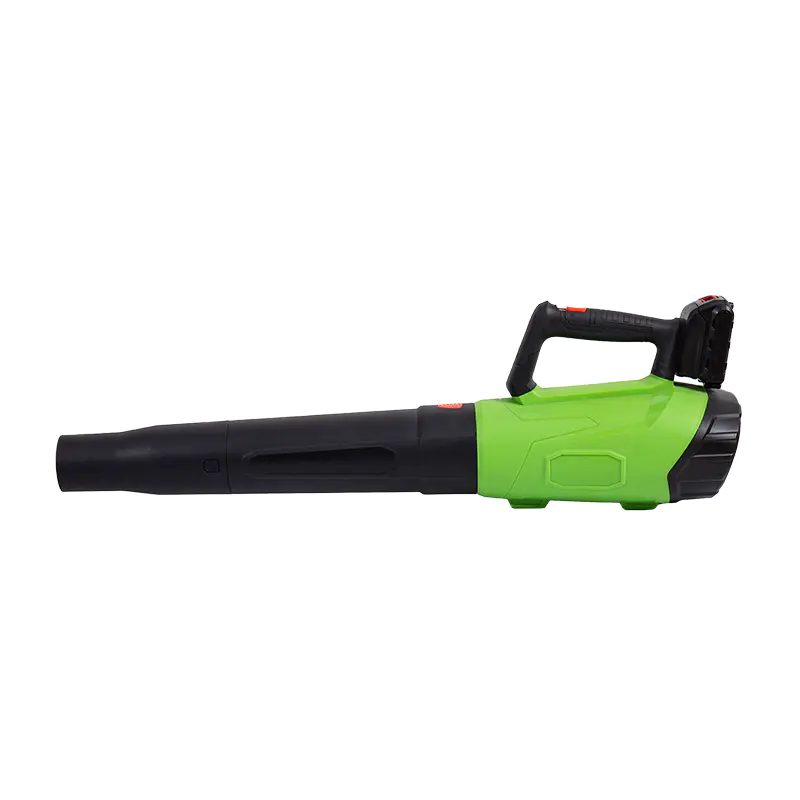
Battery packs fade halfway through a lawn, and petrol engines demand fuel mixing nobody enjoys on a Saturday morning. A corded grass strimmer sidesteps both problems by drawing power directly from the outlet, trading a cable's reach for cutting performance that never drops off mid-job.
Cordless models lose torque as battery charge drops, often slowing the cutting line right when thick grass needs the most power. Petrol strimmers solve the runtime problem but add fuel costs, exhaust fumes, engine noise, and recurring maintenance that many homeowners would rather avoid entirely.
A corded grass strimmer is an electric garden tool powered continuously through a cable connection, driving a rotating nylon line or blade head to trim grass, weeds, and lawn edges without battery limits or engine upkeep.
Because the motor draws power directly from mains electricity, cutting speed stays constant from the first minute to the last. There is no battery percentage to watch and no fuel tank to refill, which is why corded models remain the default choice for small and medium residential lawns.
| Feature | Corded Grass Strimmer | Cordless Grass Strimmer |
| Power source | Direct electricity | Battery |
| Runtime | Unlimited | Limited by charge |
| Weight | Usually lighter | Battery adds weight |
| Best fit | Small to medium gardens | Larger, cable-free areas |
A narrow cutting head reaches fence lines, flower beds, and pathway edges that mowers leave untouched.
Lightweight construction keeps sessions comfortable across an entire home garden without arm fatigue.
Flexible nylon line clears soft weeds around obstacles without the damage risk of a rigid blade.
Parks and office gardens near accessible outlets benefit from the low running cost over repeated use.
A mid-range motor handles typical residential grass comfortably, while thicker growth or larger plots benefit from a higher-power model paired with a wider cutting width.
Measure the farthest point of your garden from the nearest outlet and add a margin for maneuvering, since a cable that falls short forces awkward extension setups mid-job.
Manufacturers specify safe operating conditions in the manual, and using a residual current device on the outlet is standard practice for outdoor electric tools.
Maintenance is minimal compared to petrol equipment, generally limited to replacing the nylon line and checking the cable and guard for wear.
No.888 Zijin Road, Dongshan Town, Wuzhong District, Suzhou City, Jiangsu Province, China, 215107
+86-18994336227
+86-0512-66399580
Copyright © Suzhou Yuyuan Machinery Co., Ltd. All Rights Reserved.
 English
 Español