When it comes to maintaining a pristine lawn or garden, choosing the right tool for trimming grass and weeds is essential. Among the various options available, electric string trimmers and gas-powered models stand out as two of the popular choices. While both have their advantages and disadvantages, selecting the right one depends on various factors, including efficiency, ease of use, and environmental impact.
The one and perhaps important aspect to consider when choosing between an electric or gas-powered string trimmer is performance. This typically refers to the power output, trimming efficiency, and the tool’s ability to handle different types of vegetation.
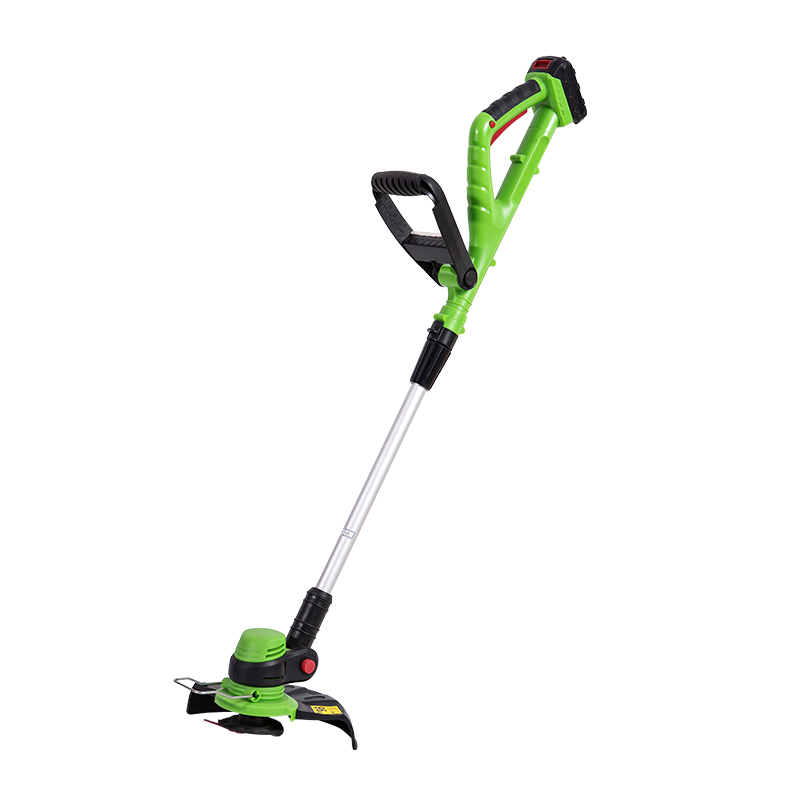
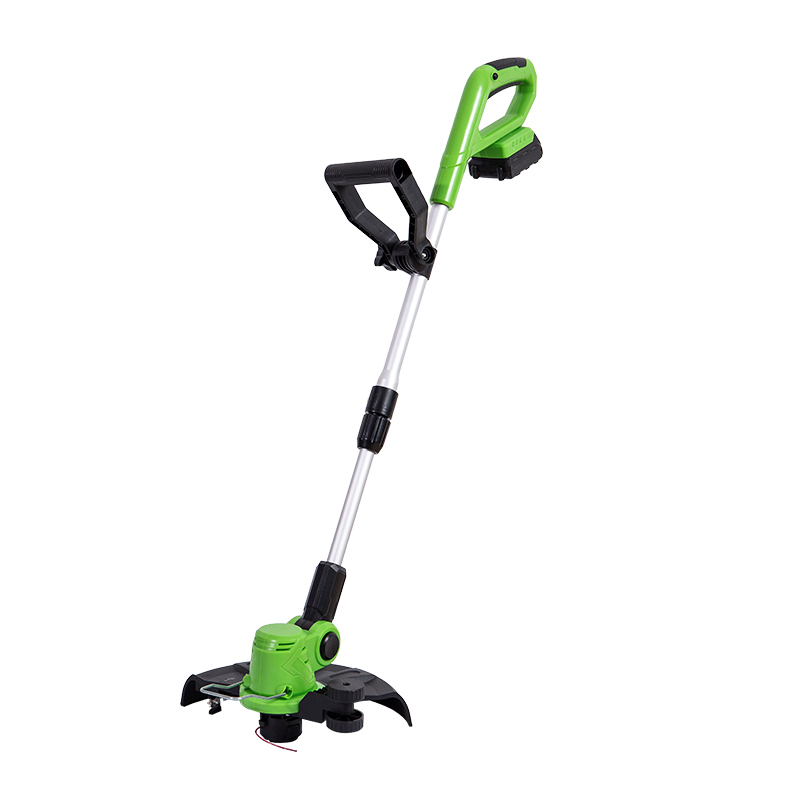
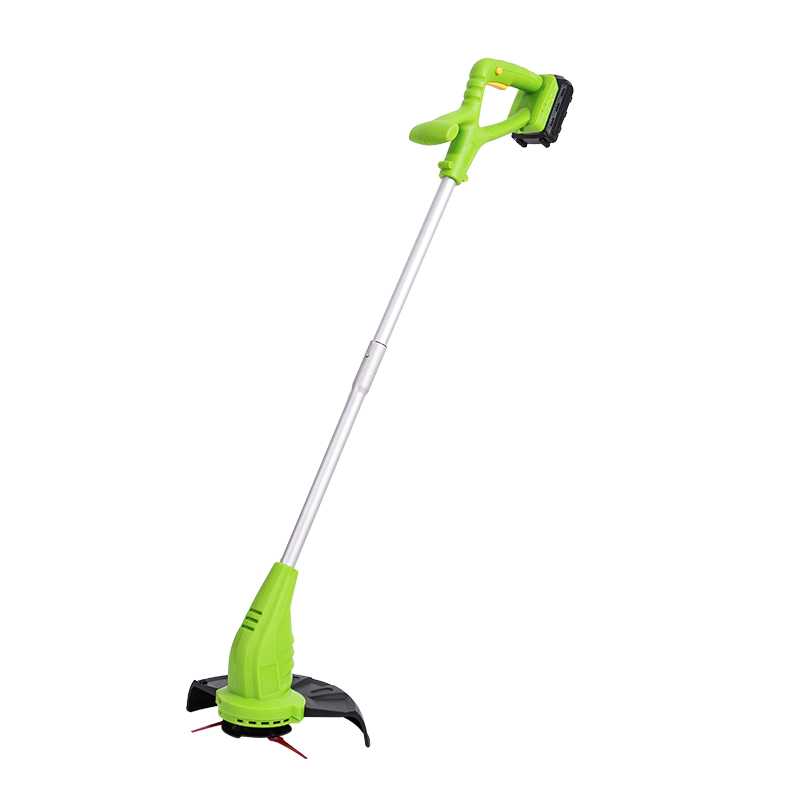
Electric string trimmers are powered either by a rechargeable battery or a power cord plugged into an outlet. The power output of electric models is generally lower than that of their gas counterparts, but recent advancements in battery technology have greatly improved performance. Modern electric string trimmers can now handle moderate to heavy-duty trimming tasks with ease.
One of the main advantages of an electric trimmer is that it requires minimal maintenance. There’s no need to mix fuel, and it’s much easier to handle due to its lightweight nature.
On the other hand, gas-powered string trimmers tend to offer more raw power. The engine’s combustion process provides more torque, making these models ideal for heavy-duty tasks such as cutting thick weeds, tall grass, or brush. These trimmers are for larger properties or for areas that require extended periods of use without needing to recharge or switch power sources.
Gas models also tend to be more consistent in power output, while electric models may lose power as the battery drains.
| Criteria | Electric String Trimmer | Gas-Powered String Trimmer |
|---|---|---|
| Power Output | Moderate | High |
| Ideal for | Light to moderate trimming | Heavy-duty tasks |
| Power Source | Battery or Electric Cord | Gasoline |
| Runtime | Limited (Battery life) | Longer (No recharge needed) |
| Maintenance | Low | High (Fuel mixing, maintenance) |
| Noise | Low | Higher |
A growing concern for many consumers is the environmental impact of the tools they use. As awareness about sustainability increases, electric models offer significant advantages in this area.
Electric trimmers produce no emissions during operation, making them the environmentally friendly choice. Additionally, battery-powered models have become much more efficient, with many now offering lithium-ion batteries that have a longer lifespan and are rechargeable. This makes them a more sustainable option compared to gas models.
Gas-powered trimmers, while powerful, contribute to air pollution. Their engines emit harmful gases such as carbon monoxide, hydrocarbons, and nitrogen oxides, which can negatively impact air quality. The production of gasoline also contributes to carbon emissions, making gas-powered trimmers less eco-friendly than their electric counterparts.
| Criteria | Electric String Trimmer | Gas-Powered String Trimmer |
|---|---|---|
| Emissions | Zero emissions | High emissions |
| Environmental Impact | Low (Eco-friendly) | High (Pollutes the air) |
Cost is often a deciding factor when purchasing any product, and electric string trimmers and gas-powered models vary significantly in price.
Electric trimmers generally have a lower upfront cost compared to gas models. The batteries may need to be replaced after a few years, but the overall cost of maintaining an electric trimmer is typically lower, as there is no need to purchase fuel or deal with complex engine repairs.
Gas-powered trimmers come with a higher initial cost due to the engine’s complexity and the need for fuel. Additionally, maintenance costs can add up over time. You may also need to purchase fuel stabilizers and perform routine engine checks to ensure the trimmer remains in good working condition. These costs make gas trimmers a more expensive long-term investment.
| Criteria | Electric String Trimmer | Gas-Powered String Trimmer |
|---|---|---|
| Initial Purchase Price | Lower | Higher |
| Maintenance Costs | Low | High |
| Long-Term Value | Good (Low cost to operate) | Higher long-term costs |
The ease of use of a string trimmer can greatly affect the user experience, particularly for individuals who plan to use the trimmer frequently.
Electric trimmers are often lighter and easier to maneuver than gas-powered models. Since they require no fuel mixing or regular engine checks, electric trimmers are simpler to operate. Battery-powered models also offer more mobility as there is no cord to drag around, but they are limited by battery life.
While gas-powered trimmers offer more power, they tend to be heavier and bulkier due to the engine and fuel tank. Starting them also requires more effort – pulling a cord multiple times to get the engine going can be tiring. However, once the engine is running, they are capable of extended use without needing to recharge or refuel as often as electric models.
| Criteria | Electric String Trimmer | Gas-Powered String Trimmer |
|---|---|---|
| Weight | Light | Heavy |
| Operation Complexity | Simple | Requires effort (pull start) |
| Maneuverability | Easy to handle | May require more effort |
Noise and vibration can be important factors in selecting a trimmer, especially for residential areas where noise pollution is a concern.
Electric models tend to operate much more quietly than gas models, producing only a slight hum. Additionally, the vibration level is usually lower, making them more comfortable for extended use.
Gas-powered trimmers generate significantly more noise due to the combustion engine, which can be a nuisance to neighbors. They also produce higher vibration levels, which can be uncomfortable for the user after prolonged use.
| Criteria | Electric String Trimmer | Gas-Powered String Trimmer |
|---|---|---|
| Noise | Low | High |
| Vibration | Low | High |
Ongoing maintenance requirements differ between electric and gas-powered trimmers.
Electric models require very little maintenance. For battery-powered trimmers, you only need to recharge the battery and occasionally replace it. If using a corded model, the primary concern is the cord’s condition.
Gas trimmers require regular engine maintenance, including oil changes, air filter cleaning, and spark plug replacements. Additionally, users must mix fuel properly and ensure the fuel system is functioning.
| Criteria | Electric String Trimmer | Gas-Powered String Trimmer |
|---|---|---|
| Maintenance Frequency | Minimal | Frequent |
| Tasks | Recharge battery, check cord | Oil changes, fuel mixing, spark plugs |
When deciding between an electric string trimmer and a gas-powered model, it’s important to consider your specific needs. Electric string trimmers offer a quieter, lighter, and more eco-friendly option with minimal maintenance. They are suited for small to medium-sized yards and residential use. Gas-powered trimmers, while more powerful and suitable for large or dense areas, come with a higher initial cost, more maintenance, and greater environmental impact.
Ultimately, the choice depends on the size of your lawn, the intensity of the trimming required, and your personal preference for power, cost, and environmental concerns.
1. Which type of string trimmer is better for small yards?
Electric string trimmers are ideal for small yards due to their quiet operation, lightweight nature, and ease of use.
2. How long do electric string trimmers last on a single charge?
The runtime depends on the battery’s capacity, but electric models can last anywhere from 30 minutes to 1 hour on a full charge.
3. Are electric string trimmers as powerful as gas-powered ones?
Electric models have less power than gas-powered trimmers but are still effective for light to medium-duty trimming.
4. Can I use a gas-powered string trimmer for heavy-duty tasks?
Yes, gas-powered trimmers are better for heavy-duty tasks due to their higher power output and longer runtime.
5. Do electric string trimmers require a lot of maintenance?
No, electric trimmers require minimal maintenance, usually just charging the battery and maintaining the cord (for corded models).
No.888 Zijin Road, Dongshan Town, Wuzhong District, Suzhou City, Jiangsu Province, China, 215107
+86-18994336227
+86-0512-66399580
Copyright © Suzhou Yuyuan Machinery Co., Ltd. All Rights Reserved.
 English
 Español