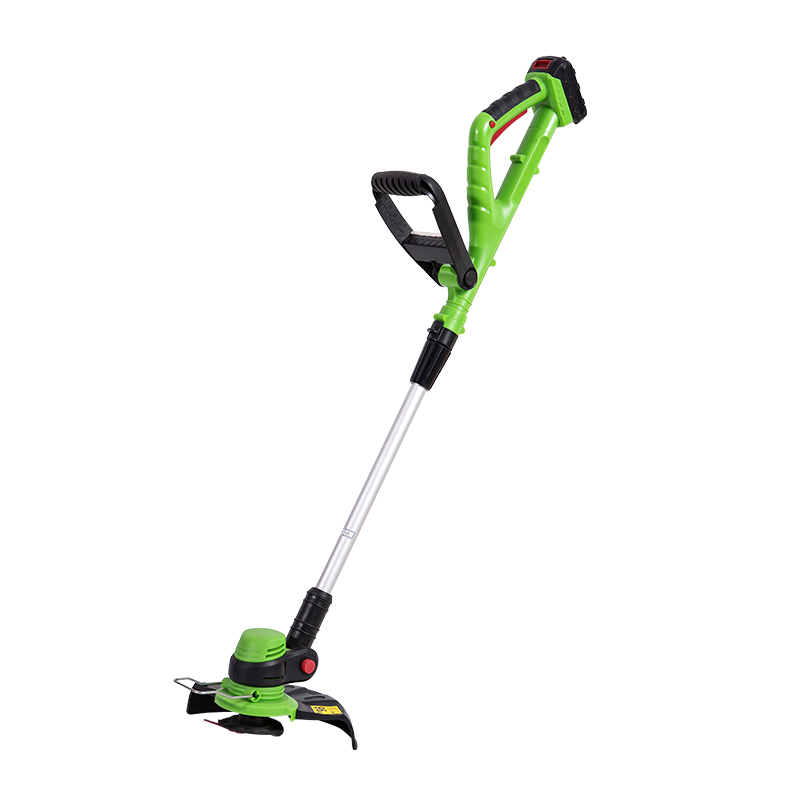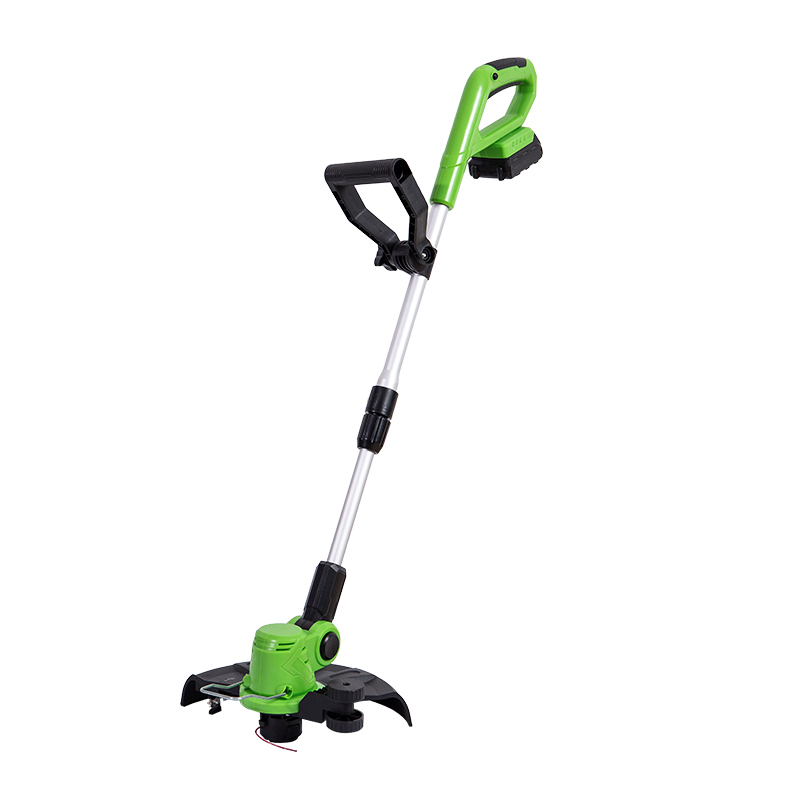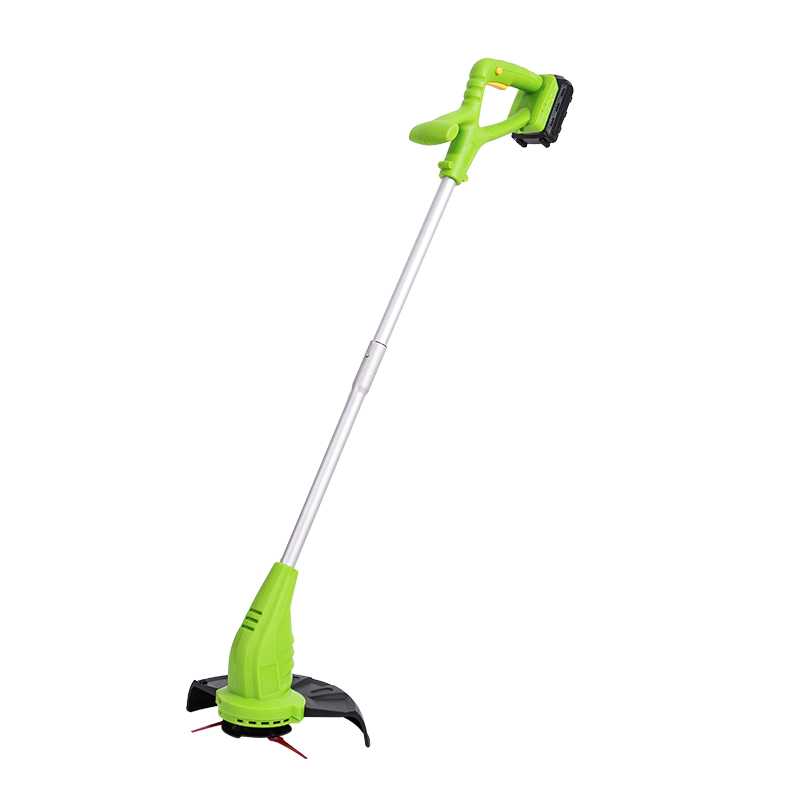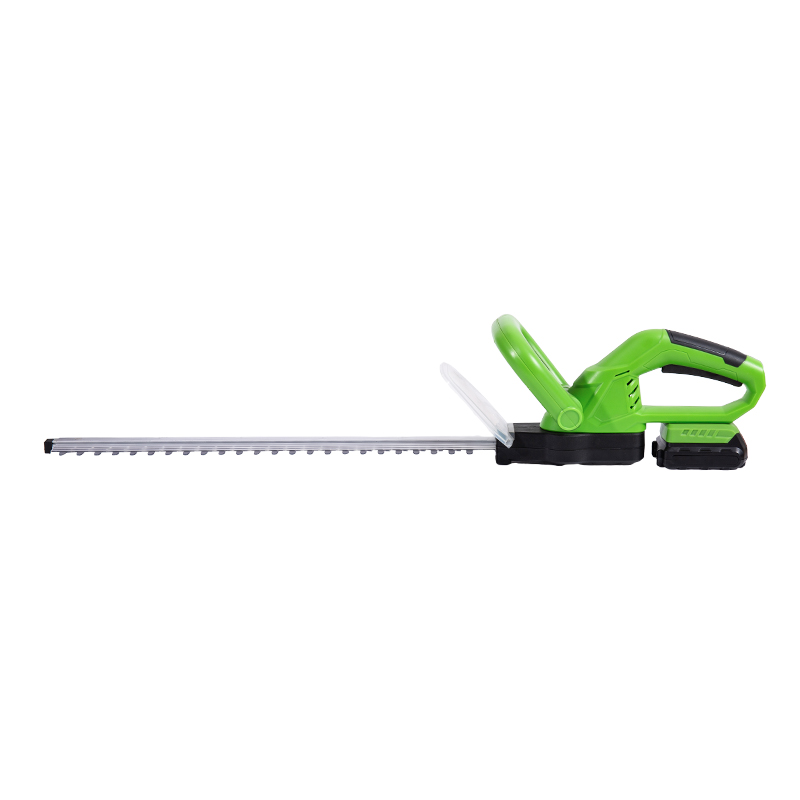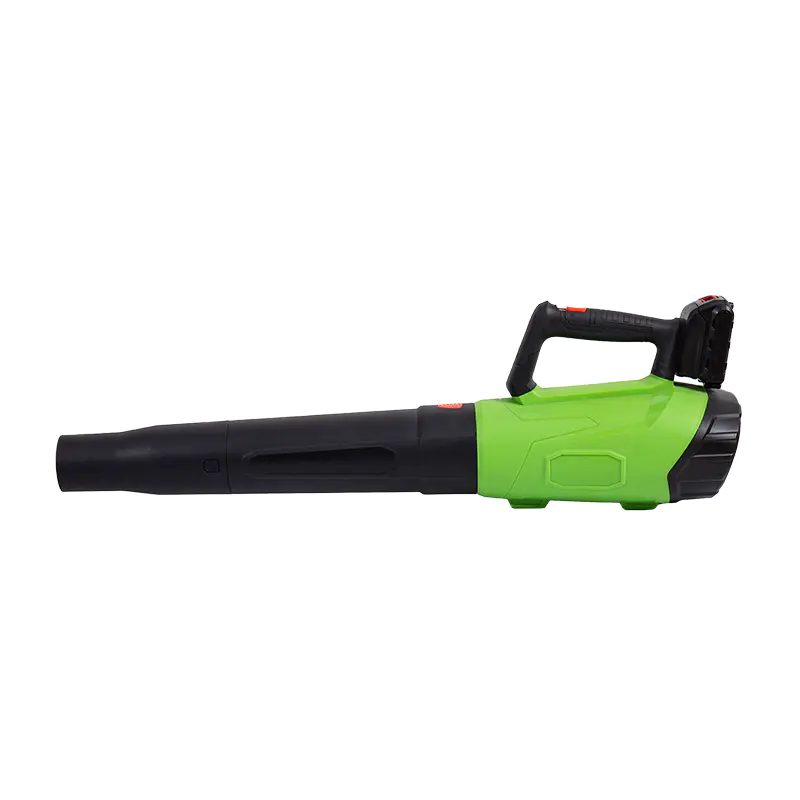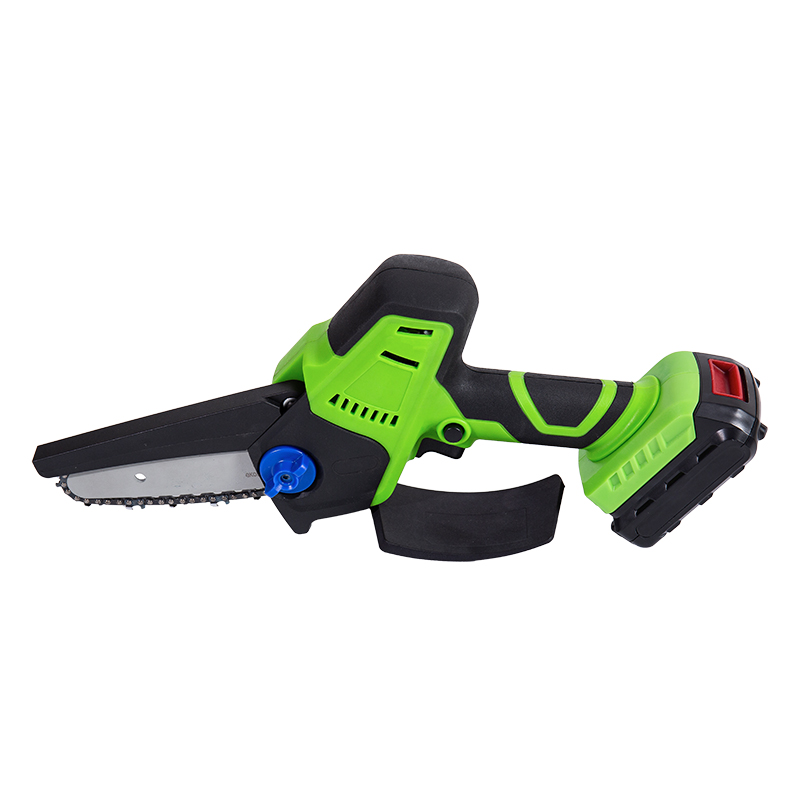
In recent years, the demand for battery-powered garden tools has significantly increased. Among the popular of these tools is the battery string trimmer, which provides a convenient and eco-friendly alternative to traditional gas-powered models.
A battery string trimmer is a modern gardening tool designed to cut grass and weeds. Powered by rechargeable batteries, it offers several advantages over its gas-powered counterparts. These trimmers use a spinning string or line to cut through vegetation, making them ideal for trimming along edges, sidewalks, and in tight spaces.
Advantages of Battery String Trimmers:
Disadvantages of Battery String Trimmers:
Gas-powered string trimmers, also known as gas weed eaters, have been the traditional choice for lawn maintenance for many years. These trimmers operate using a two-cycle gasoline engine, which provides high power and longer runtime compared to battery models.
Advantages of Gas-Powered Trimmers:
Disadvantages of Gas-Powered Trimmers:
| Feature | Battery String Trimmer | Gas-Powered Trimmer |
|---|---|---|
| Power Source | Rechargeable lithium-ion battery | Gasoline engine |
| Runtime | Limited by battery life (usually 30-60 minutes) | Typically longer, depending on fuel capacity |
| Weight | Lighter, usually 5-10 lbs | Heavier, typically 10-15 lbs |
| Maintenance | Minimal, just charge and replace batteries | Requires regular fuel mixing and oil changes |
| Noise Level | Quiet operation | Noisy operation |
| Environmental Impact | Zero emissions, environmentally friendly | Emits pollutants, contributes to air pollution |
| Cost | Typically lower upfront cost | Higher initial cost, ongoing fuel expenses |
| Performance | Ideal for light to moderate tasks | Best for heavy-duty tasks |
When it comes to performance, the choice between a battery string trimmer and a gas-powered model depends largely on the type of work you’re looking to do.
Battery String Trimmers are more suited for light-duty tasks like trimming around flower beds, edging sidewalks, and maintaining small lawns. They are for residential areas where noise and environmental impact are concerns.
Gas-Powered Trimmers, on the other hand, excel at heavy-duty tasks. They can handle thick, overgrown grass, dense weeds, and large areas without worrying about running out of power. This makes them suitable for professional landscapers and individuals who maintain larger properties.
One of the significant differences between these two types of trimmers is maintenance.
Battery String Trimmers require very little maintenance. You don’t have to deal with fuel, oil, or spark plugs. The only upkeep involves charging the battery and replacing it after a few years if necessary.
Gas-Powered Trimmers require more frequent maintenance. Regular tasks include changing the oil, mixing fuel, cleaning the spark plugs, and checking the engine. Additionally, the carburetor can get clogged, requiring periodic cleaning.
Battery-powered models have an advantage here for those who prefer minimal upkeep and want a tool that’s ready to go with minimal effort.
While the initial cost of a battery string trimmer is typically lower than a gas-powered model, there are other cost factors to consider:
Battery String Trimmers: The upfront cost is more affordable, and you don’t need to buy gas or oil. However, battery replacement can become an additional expense after a few years of use.
Gas-Powered Trimmers: These models often cost more initially, and you also need to consider ongoing costs for gas, oil, and maintenance. Over time, these costs can add up, making them more expensive to operate.
When comparing battery string trimmers to gas-powered models, the environmental impact is a key factor to consider. Battery trimmers have a clear advantage in this area:
Battery models produce no emissions during operation, making them an eco-friendly choice. They are also quieter, reducing noise pollution in residential areas.
Gas-powered models emit exhaust fumes, contributing to air pollution and environmental degradation. They also tend to be louder, disturbing both people and wildlife.
The decision between a battery string trimmer and a gas-powered model depends largely on your specific needs.
For smaller lawns or residential areas, a battery-powered string trimmer is a fantastic choice. It’s quiet, environmentally friendly, and requires little maintenance.
For large properties or tough jobs, a gas-powered trimmer may be necessary. Its extended runtime and high power make it the better option for heavy-duty tasks.
Both battery string trimmers and gas-powered models have their strengths and weaknesses. The choice for you depends on your budget, the size of your yard, and your personal preferences regarding maintenance and environmental impact.
1. How long does the battery of a battery string trimmer last?
Most battery string trimmers offer a runtime of about 30-60 minutes, depending on the size of the battery and the thickness of the vegetation being cut.
2. Can a battery string trimmer handle thick weeds?
Battery trimmers are effective for light to medium-duty tasks. For thick weeds or overgrown areas, a gas-powered trimmer might be more efficient.
3. How do I extend the life of my battery string trimmer?
To extend the battery’s life, make sure to store it properly, avoid overcharging, and fully discharge the battery before recharging when possible.
4. Are gas-powered trimmers more powerful than battery models?
Yes, gas-powered trimmers generally have more power and longer runtimes, making them better suited for heavy-duty tasks.
5. Do battery string trimmers require a lot of maintenance?
Battery string trimmers require minimal maintenance, mainly focusing on battery charging and occasional line replacement, unlike gas-powered models that need more frequent care.
No.888 Zijin Road, Dongshan Town, Wuzhong District, Suzhou City, Jiangsu Province, China, 215107
+86-18994336227
+86-0512-66399580
Copyright © Suzhou Yuyuan Machinery Co., Ltd. All Rights Reserved.
 English
 Español