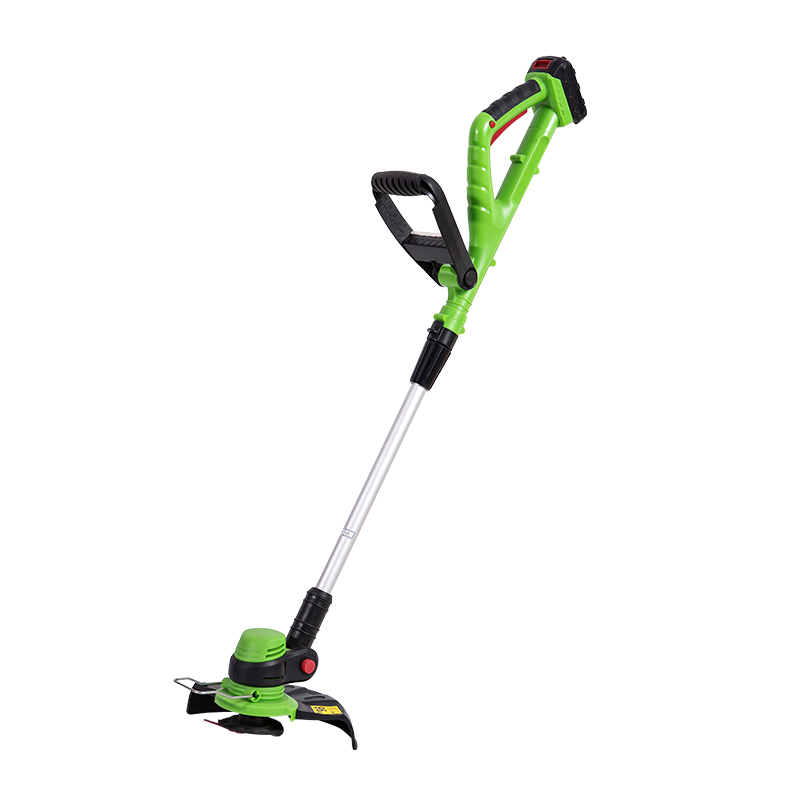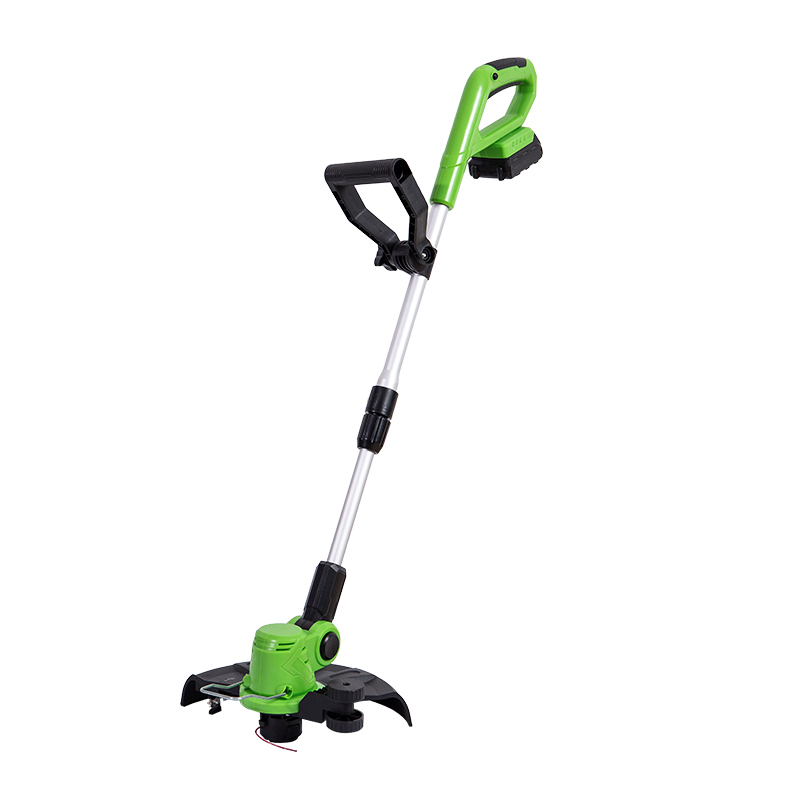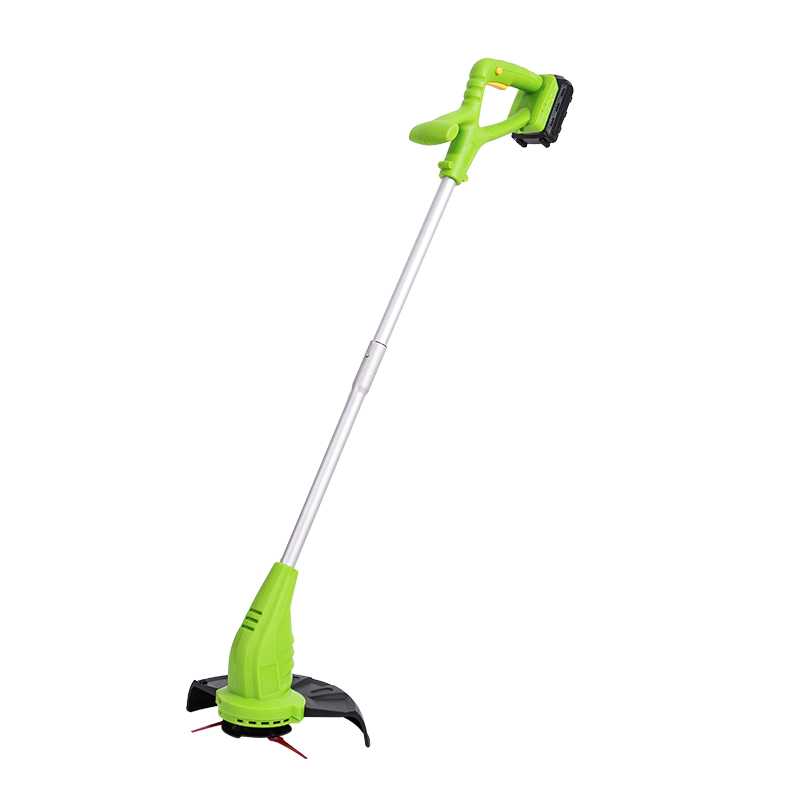
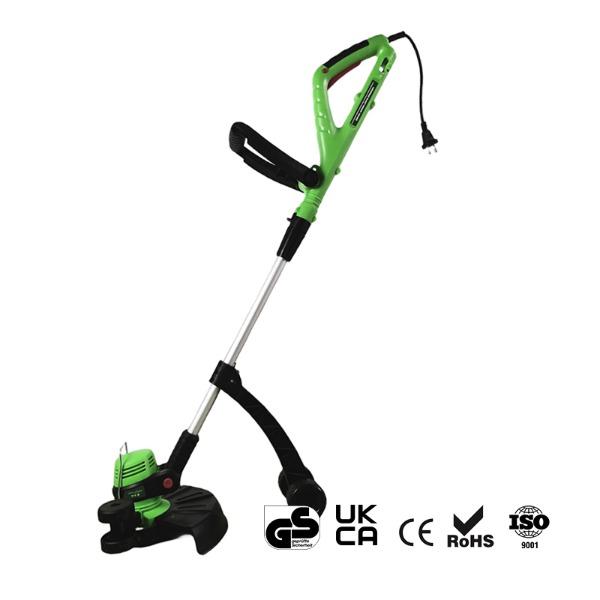
An electric string trimmer has become an essential tool for maintaining clean edges along sidewalks, fences, and garden beds. Unlike gas-powered models, it offers quieter operation, lighter weight, and lower emissions. However, homeowners and landscapers often ask: how many seasons can you rely on this tool before it needs replacement? The answer depends on several factors, from build quality to usage habits.
Most electric string trimmers, whether corded or battery-powered, are designed to last between 3 and 7 years with regular residential use. Corded models often have a simpler electrical construction and can survive 5 to 7 years if the cord is handled carefully. Battery-powered units typically show a shorter component life—around 3 to 5 years—mainly because rechargeable batteries degrade over time, even with proper care.
It is important to distinguish between mechanical failure and performance decline. A trimmer may still spin the cutting line but become less efficient due to a worn motor brush, a dirty switch, or a battery that no longer holds a full charge. For professional landscapers using an electric string trimmer daily, the lifespan may drop to 1–2 years due to intensive duty cycles. For a typical suburban homeowner using the tool once a week during the growing season, 5 years is a reasonable expectation.
Understanding what wears out helps you focus maintenance efforts. Below is a breakdown of the main components and their expected service life under normal use.
| Component | Expected Lifespan | Common Failure Signs |
|---|---|---|
| Motor (brushed) | 5–8 years | Loss of power, unusual noise, burning smell |
| Motor (brushless) | 8–12 years | Minimal wear; electronic failure |
| Battery (lithium-ion) | 2–4 years or 300–500 cycles | Shorter runtime, longer charging |
| Power cord (corded) | 6–10 years | Frayed insulation, intermittent operation |
| Trimmer head / spool | 2–3 years | Cracking, line jamming, difficult rewinding |
| Shaft and coupling | 7–10 years | Looseness, vibration, wobbling |
| Switch / trigger | 4–6 years | Unresponsive or sticky action |
The variable component is the battery. A high-quality lithium-ion pack used in cool conditions and stored at partial charge will far outlast one exposed to heat or frequent deep discharges. Similarly, brushless motors cost more initially but often double the motor’s lifespan compared to brushed designs.
Extending the service life of an electric string trimmer requires consistent, simple habits. The following practices address the common failure points.
Grass clippings, dust, and dirt accumulate around the motor housing, ventilation slots, and cutting head. This debris traps heat and moisture, accelerating wear on electrical components and bearings. After each session, disconnect the trimmer (remove the battery or unplug the cord) and wipe down the exterior. Use a soft brush or compressed air to clear the air intakes and the area around the spindle. Never use a pressure washer or submerge the tool.
Using the correct diameter and shape of line reduces strain on the motor. An oversized line increases current draw and heat, potentially damaging the motor or battery. Conversely, a line that is too thin breaks often, causing repeated impacts that stress the trimmer head. Replace the line before it becomes brittle or worn unevenly. When reloading a spool, follow the directional arrows exactly; an incorrectly wound spool jams frequently and forces the motor to work harder.
The battery is the expensive replaceable part of a cordless electric string trimmer. To maximize its life:
For corded electric string trimmers, the power cord is a common failure point. Inspect the entire cord length for cuts, crushed sections, or exposed wires before each use. Never yank the cord to disconnect it; pull the plug instead. Use a cord that is heavy enough for the trimmer’s amperage rating—typically 14 or 12 AWG for longer runs. A thin, undersized cord overheats and can melt the insulation, creating a shock hazard and starving the motor of proper voltage.
Many electric string trimmers have a small gearbox or shaft bearing that benefits from occasional lubrication. Check the user manual for recommended intervals. In general, applying one drop of light machine oil to the metal shaft under the trimmer head every 10–15 hours of use reduces friction and noise. Avoid over-lubricating; excess oil attracts grit.
Improper storage causes more damage than heavy use. Hang the trimmer vertically or lay it flat on a shelf. Do not leave it leaning against a wall with the cutting head touching the ground, as moisture wicks into the head and corrodes internal parts. Keep the unit in a shed or garage away from fertilizers, pesticides, or pool chemicals—these fumes corrode metal contacts and plastic housings. For cordless models, store the battery separately at room temperature.
Ignoring a cracked trimmer head or a loose guard leads to bigger problems. A damaged guard exposes you to flying debris and allows line to strike the motor housing. A wobbly shaft means the internal coupling is failing; continued use can snap the drive cable. Replace inexpensive parts like the spool cover, line cutter blade, or guard as soon as you notice cracks. These components cost little but protect the expensive motor and battery.
To help readers find additional information, here are related search phrases that other users frequently type:
Including these terms in your search strategy can more targeted videos, forum discussions, and repair guides.
Even a well-built electric string trimmer fails early when subjected to certain avoidable behaviors:
No amount of maintenance can keep a trimmer running forever. Here are clear indicators that replacement is more cost-effective than repair:
The motor smells burnt or runs briefly then cuts out – Internal windings have shorted.
The battery no longer holds enough charge for your typical session – Even after calibration, runtime drops below 50% of original.
The shaft has noticeable play or clicks during operation – Internal drive components are worn beyond simple part replacement.
Plastic housings near the motor show melting or distortion – Repeated overheating has compromised safety.
Repair costs approach 50% of a new equivalent model – Especially for cordless units where battery and motor both need replacement.
The lifespan of an electric string trimmer also varies by climate. In humid coastal areas, metal contacts corrode faster. In dusty, arid regions, abrasive grit wears out the line advance mechanism and motor seals. If you trim only dry, thin grass on a small suburban lot, expect the longer end of the 5–7 year range. If you regularly cut thick weeds, wet vegetation, or large areas, plan for maintenance every season and a replacement every 3–4 years.
Professional users who operate an electric string trimmer for hours daily should choose a brushless model with replaceable batteries and buy an extra battery to rotate. This allows each battery to cool between charges, dramatically extending both battery and motor life.
| Action | Frequency |
|---|---|
| Clean trimmer body and air vents | After each use |
| Inspect power cord (corded) | Before each use |
| Check line condition and rewind spool | Every 2–3 uses |
| Lubricate shaft / gearbox | Every 10–15 hours |
| Inspect guard, spool cover, and handle | Monthly |
| Battery storage check (voltage) | Monthly during off-season |
| Replace worn line cutter blade | Every season or when dull |
A well-maintained electric string trimmer reliably serves homeowners for half a decade or more. The difference between a trimmer that fails after two years and one that lasts seven years comes down to cleaning, proper storage, battery care, and timely small-part replacement. While the initial purchase price attracts buyers, the true value emerges when the tool starts easily season after season. By following the practices outlined above—especially protecting the battery, clearing debris, and using the correct cutting line—you will maximize both performance and longevity. When the time finally comes to replace the unit, you will have extracted every hour of useful life from your electric string trimmer.
No.888 Zijin Road, Dongshan Town, Wuzhong District, Suzhou City, Jiangsu Province, China, 215107
+86-18994336227
+86-0512-66399580
Copyright © Suzhou Yuyuan Machinery Co., Ltd. All Rights Reserved.
 English
 Español