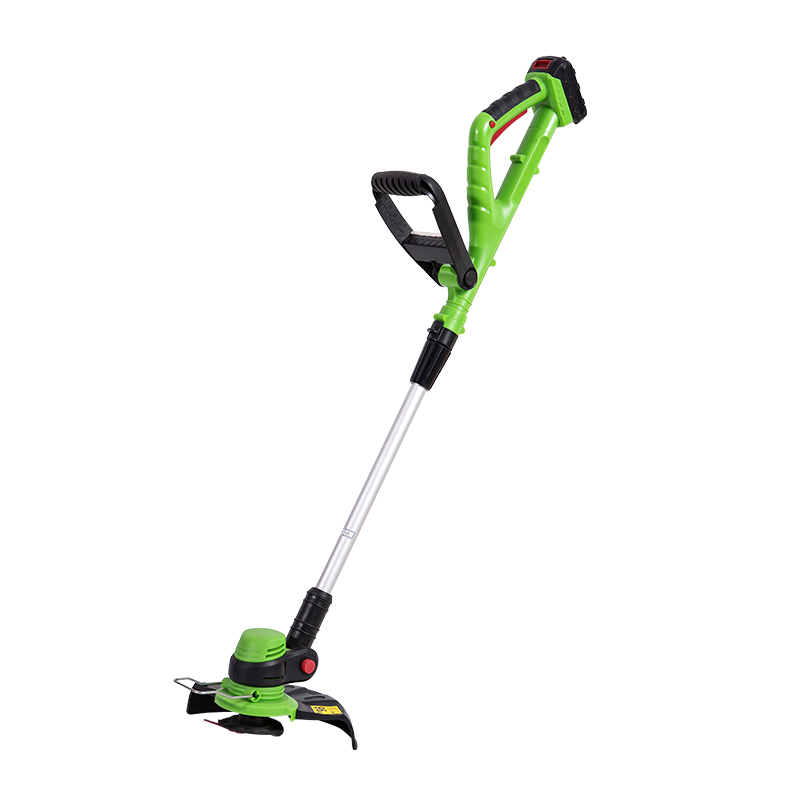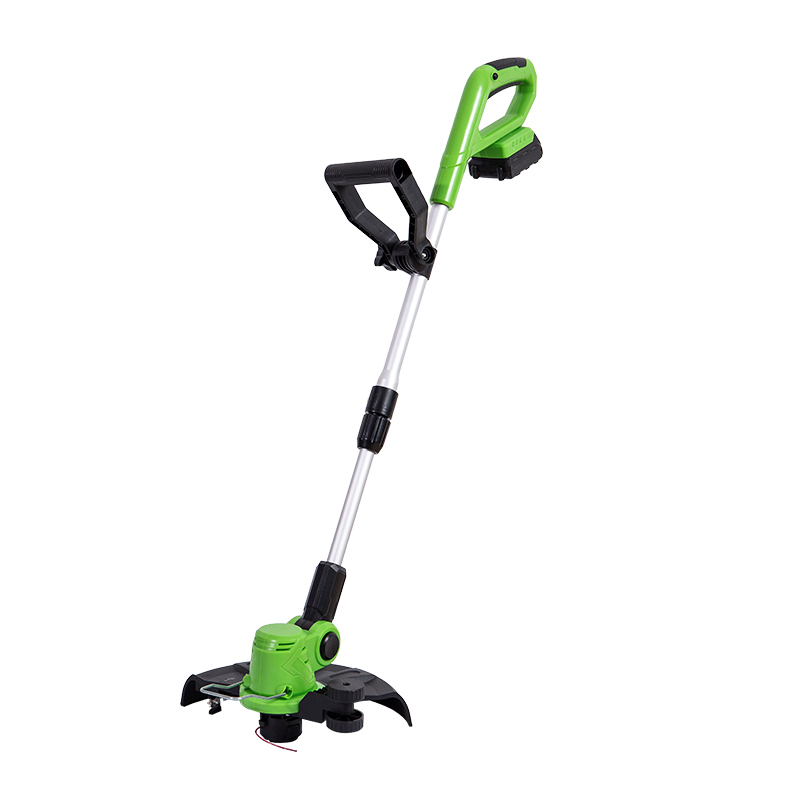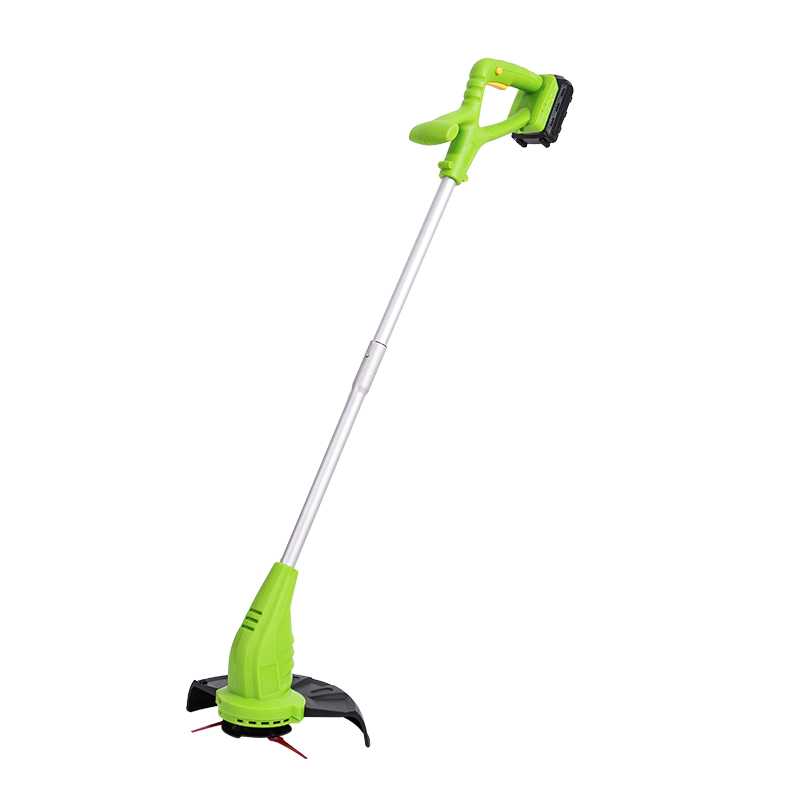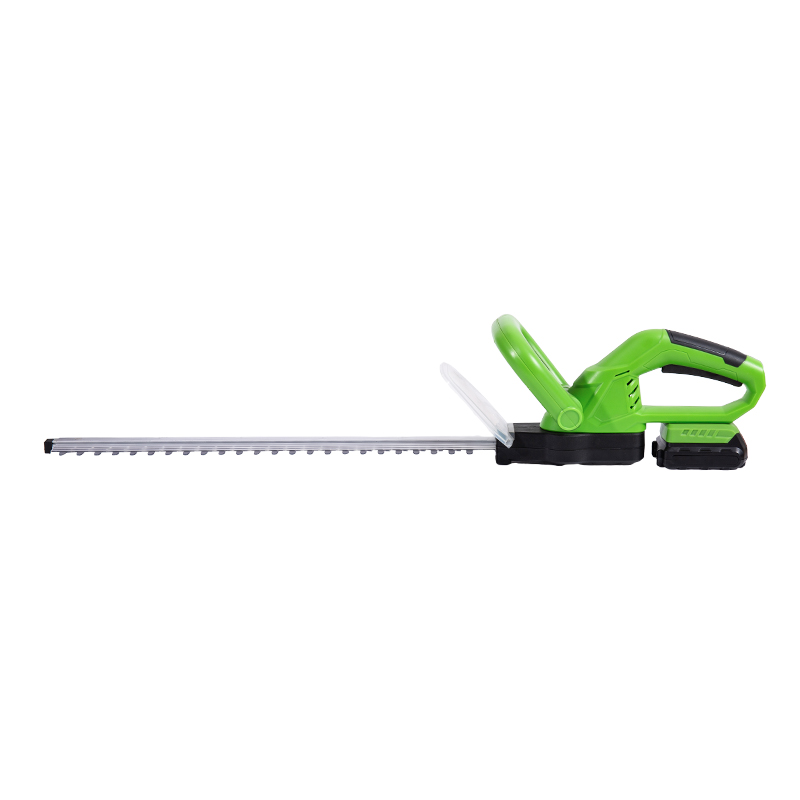
Maintaining a clean, well-manicured lawn or garden is a goal for many homeowners, yet achieving this can often feel like a daunting task. Among the various tools available for outdoor upkeep, a string trimmer is essential for cutting grass and weeds in areas that a lawnmower can’t reach. In recent years, battery string trimmers have emerged as a popular option. These cordless, battery-powered trimmers are a more eco-friendly and efficient alternative to traditional gas-powered models.
One of the primary reasons people are turning to battery-powered string trimmers is their eco-friendly nature. Traditional gas-powered trimmers emit harmful fumes and contribute to air pollution. They also require oil and fuel for operation, which has a significant environmental impact. On the other hand, battery string trimmers are powered by rechargeable batteries, reducing the need for fossil fuels and helping to reduce carbon emissions. This makes them a choice for environmentally-conscious users who want to minimize their ecological footprint.
| Feature | Battery-Powered String Trimmer | Gas-Powered String Trimmer |
|---|---|---|
| Fuel Consumption | Zero (uses electricity) | Requires gasoline and oil |
| Emission of Greenhouse Gases | None | High (carbon emissions) |
| Noise Pollution | Low | High |
Noise pollution is another issue associated with traditional gas-powered tools. These trimmers can be loud, making the task of lawn care unpleasant for both the user and the surrounding neighborhood. Battery-powered string trimmers, in contrast, are significantly quieter. The low noise levels make them ideal for residential areas where noise restrictions may apply. Additionally, the reduction in vibration improves comfort, allowing users to work for extended periods without experiencing hand or arm fatigue.
Gas-powered string trimmers require frequent maintenance, including oil changes, spark plug replacements, and fuel system checks. These maintenance tasks can be time-consuming and costly. Battery-powered string trimmers, on the other hand, have fewer moving parts and require little maintenance. Since there is no need for fuel or oil changes, users save both time and money, as well as avoid the hassle of dealing with mechanical issues that can arise from fuel-powered systems.
| Feature | Battery-Powered String Trimmer | Gas-Powered String Trimmer |
|---|---|---|
| Oil Changes | Not required | Required |
| Spark Plug Replacement | Not required | Required |
| Fuel System Maintenance | Not required | Required |
Battery-powered string trimmers are typically lighter than their gas-powered counterparts, making them easier to handle and maneuver. Without the burden of a heavy engine or fuel tank, users can easily carry and control their trimmer, even in tight spaces or uneven terrain. The convenience of cordless operation allows for more freedom of movement and reduces the risk of tangling with cords, which can be a common issue with electric trimmers.
Moreover, battery-powered models are designed for easy storage. They don’t take up much space in a shed or garage, and their lightweight design makes them portable for users who need to carry the tool to various locations. This makes them particularly beneficial for homeowners with smaller yards or for people who do not want to deal with the bulk and weight of a traditional trimmer.
One of the significant advantages of battery string trimmers is their quiet operation. Traditional gas trimmers are known for their loud, disruptive noise, which can be a major drawback, especially in residential areas where neighbors might be disturbed. Battery-powered trimmers, however, are much quieter. This makes them more comfortable to use, allowing homeowners to maintain their lawns without disturbing the peace.
While the upfront cost of a battery-powered string trimmer may be higher than that of a basic gas-powered model, the overall cost of ownership is often lower in the long run. Without the need to purchase fuel, oil, or pay for maintenance services, the ongoing costs of operating a battery-powered trimmer are minimal. Furthermore, the rechargeable battery used in these trimmers can last for several years, meaning users do not have to constantly buy new batteries.
| Cost Factor | Battery-Powered String Trimmer | Gas-Powered String Trimmer |
|---|---|---|
| Upfront Cost | Higher | Lower |
| Operating Costs | Low (battery charging only) | High (fuel and oil) |
| Maintenance Costs | Minimal | High (frequent servicing) |
A common misconception is that battery string trimmers lack the power to handle tough jobs. However, modern advancements in battery technology have led to the development of high-performance batteries that offer plenty of power to handle dense grass, weeds, and even light brush. While they may not have the raw power of a gas-powered trimmer, battery-powered models are more than capable of providing consistent, reliable performance for everyday lawn care needs.
Battery-powered string trimmers are typically designed with user-friendly features that enhance ease of use. For instance, many models feature adjustable handles, which allow for a customized grip based on the user’s height and comfort preferences. Some even come with a rotating head for easier trimming along edges and fences. The ergonomic design ensures that users can work for longer periods without straining their arms or hands.
1. How long does the battery last on a battery-powered string trimmer?
Battery life varies depending on the trimmer model and battery capacity. On average, a fully charged battery can last anywhere from 30 minutes to an hour, depending on usage.
2. Can I use a battery-powered string trimmer for heavy-duty tasks?
While battery-powered string trimmers are suitable for residential tasks, heavy-duty work may require a gas-powered model. However, high-performance battery models can handle thicker grass and light brush.
3. How do I maintain my battery-powered string trimmer?
Maintenance for battery-powered trimmers is minimal. Ensure the battery is charged properly, store it in a dry place, and clean the trimmer after each use to keep it in good working condition.
4. Can the battery be replaced if it stops working?
Yes, battery-powered trimmers feature replaceable batteries. When the battery no longer holds a charge, you can easily replace it with a new one.
5. Are battery-powered string trimmers safe to use?
Yes, they are safe to use. Always follow the manufacturer’s safety instructions, wear appropriate protective gear, and avoid operating the trimmer near people or pets.
Battery-powered string trimmers offer numerous advantages over traditional gas-powered models, including environmental benefits, reduced maintenance, quieter operation, and convenience. With improvements in battery technology, these tools have become more powerful and efficient, making them an ideal choice for homeowners who want a hassle-free and eco-friendly way to maintain their lawns.
No.888 Zijin Road, Dongshan Town, Wuzhong District, Suzhou City, Jiangsu Province, China, 215107
+86-18994336227
+86-0512-66399580
Copyright © Suzhou Yuyuan Machinery Co., Ltd. All Rights Reserved.
 English
 Español