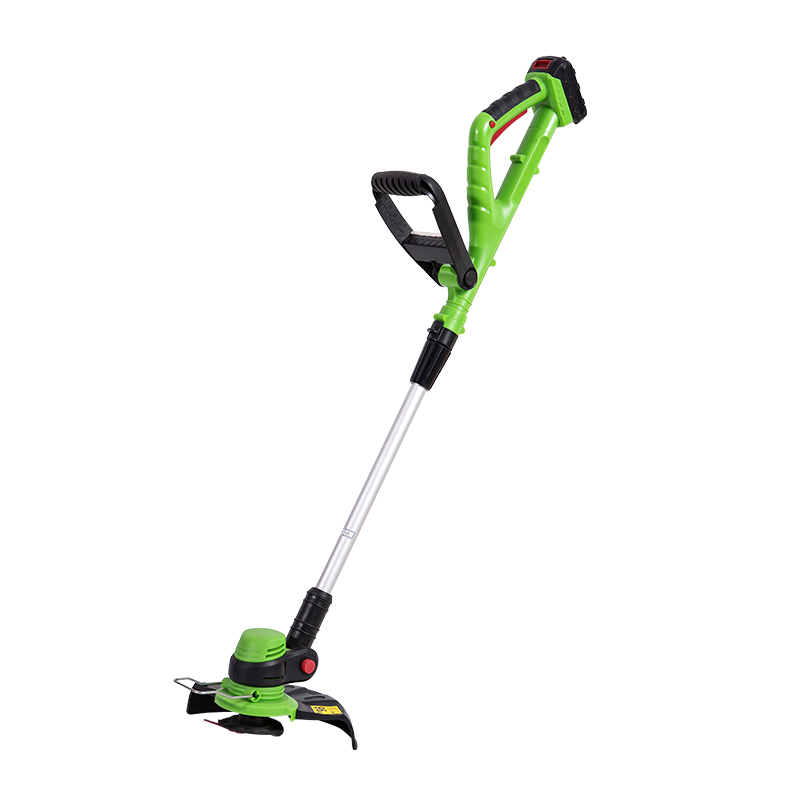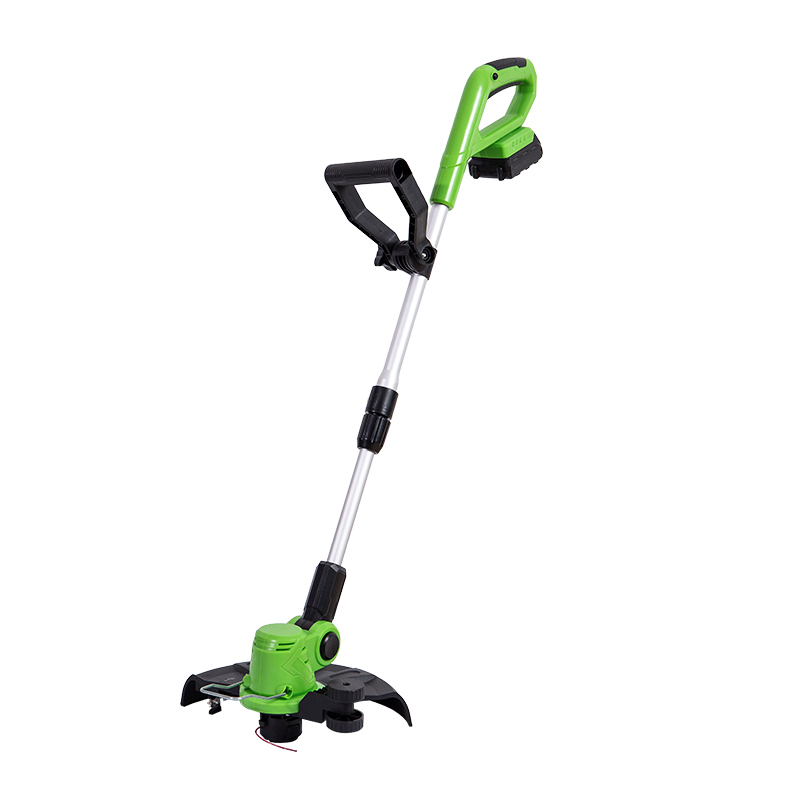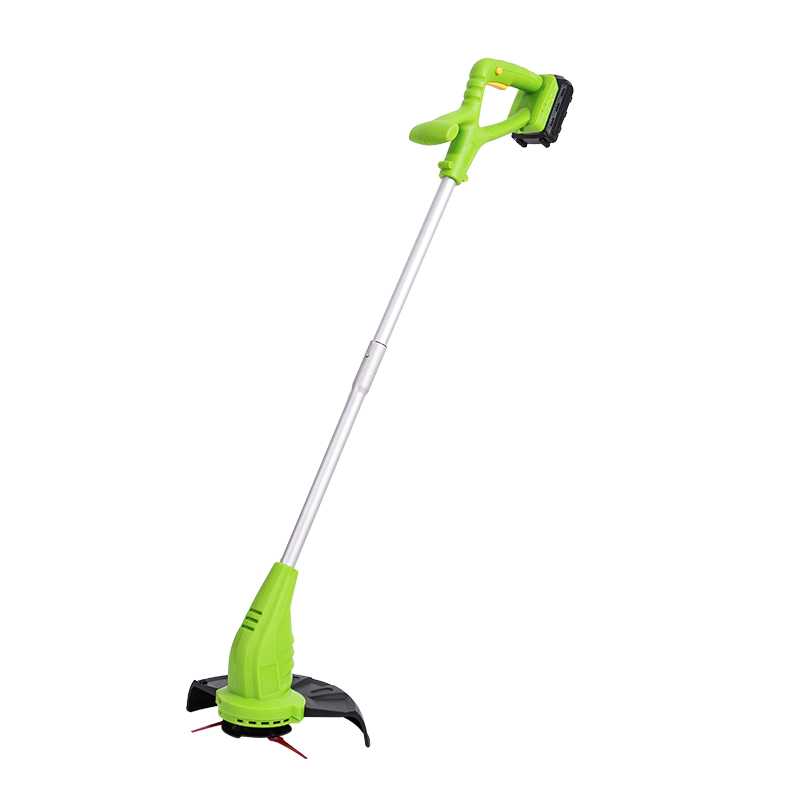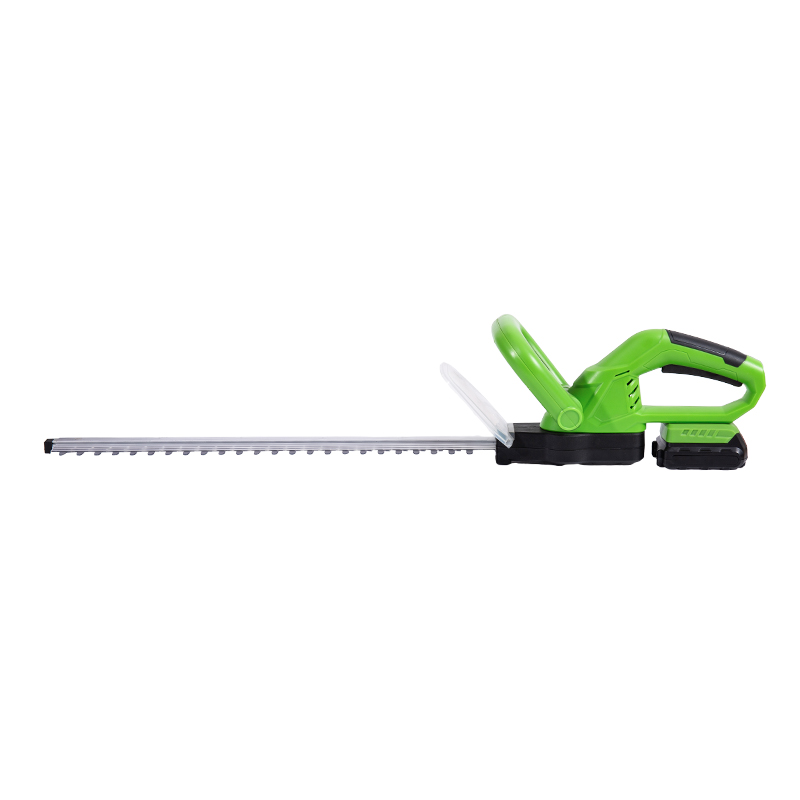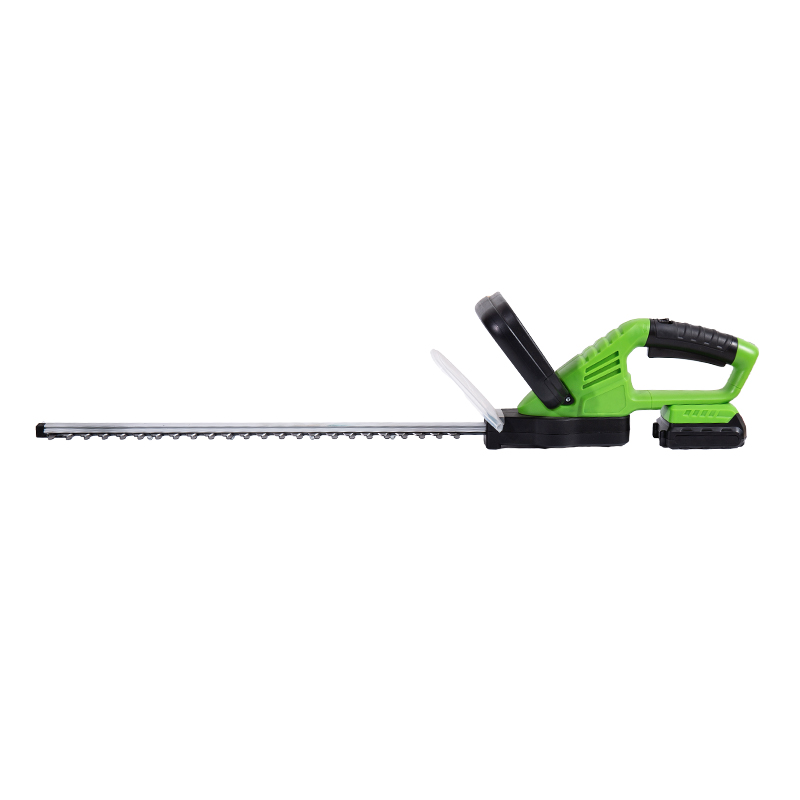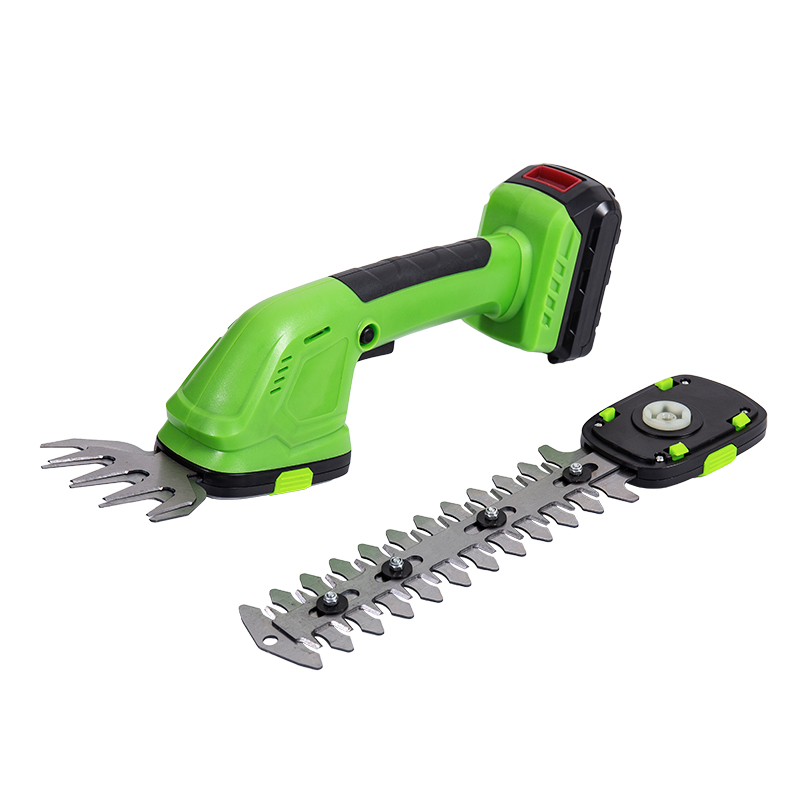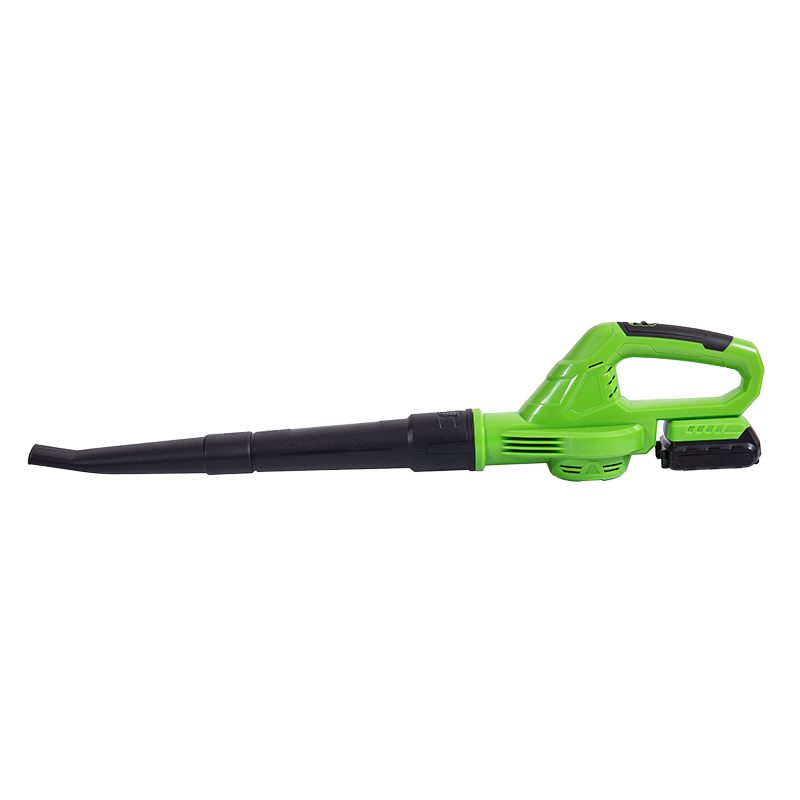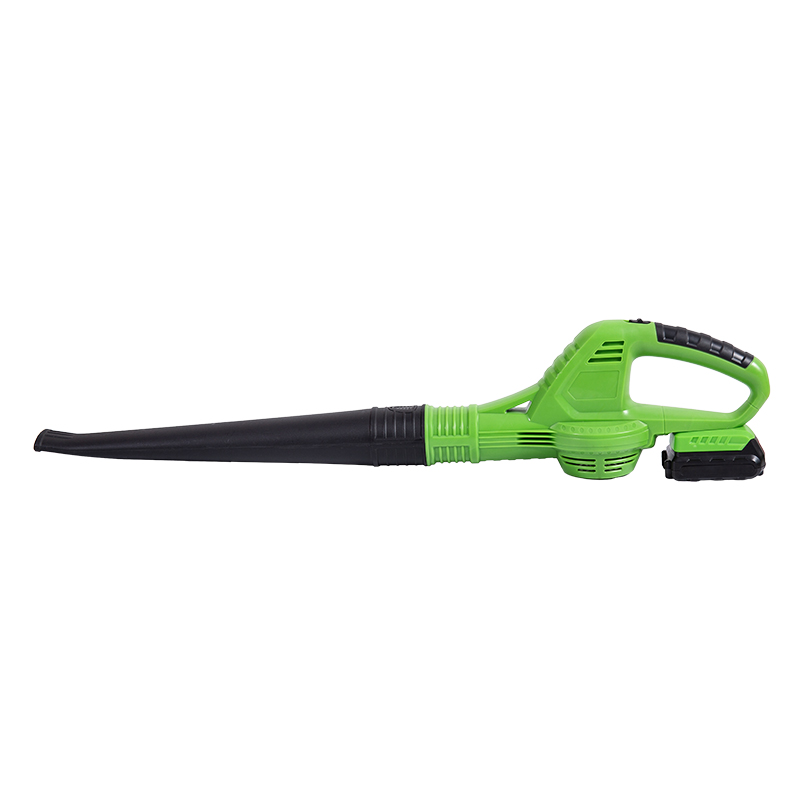
In the world of lawn care and gardening, string trimmers (also known as weed eaters or weed whackers) are essential tools for keeping grass and weeds in check. When it comes to selecting an electric string trimmer, two major types stand out: battery-powered and corded electric string trimmers. Both offer unique advantages and limitations, making the choice between the two dependent on your specific needs and preferences.
Before diving into the differences, it’s important to understand the basic functionality of an electric string trimmer. These tools use a spinning line (often nylon) to cut through grass, weeds, and other vegetation. Unlike gas-powered trimmers, which require fuel and produce emissions, electric string trimmers are more environmentally friendly, offering quieter and cleaner operation.
Key Features of Electric String Trimmers:
Battery-powered electric string trimmers are often considered the convenient option for homeowners looking for portability and ease of use. These models rely on rechargeable batteries to provide power, eliminating the need for a power cord.
Key Advantages of Battery-Powered Electric String Trimmers:
Portability: No need to worry about being tethered to an outlet, which makes it easier to maneuver around your yard.
Convenience: These models are ideal for small to medium-sized lawns, as they can be used anywhere without the restriction of a power cord.
Quiet Operation: Battery-powered trimmers tend to operate more quietly than gas-powered models, providing a quieter lawn care experience.
Low Maintenance: With fewer moving parts, battery-powered models generally require less maintenance.
Limited Run Time: The battery life is often limited, so larger yards may require more than one battery or breaks for recharging.
Longer Recharge Time: Depending on the battery, recharging can take hours, which may interrupt your yard work.
Battery Degradation: Over time, battery performance may degrade, reducing runtime between charges.
Corded electric string trimmers, on the other hand, rely on a continuous power source provided by an electrical outlet. These trimmers are for those who need uninterrupted power for larger yards or extended use.
Key Advantages of Corded Electric String Trimmers:
Unlimited Power Supply: As long as you have access to an outlet, you can use the trimmer without worrying about battery life.
Consistent Performance: These models provide consistent power, making them more reliable for long-term use.
Lightweight: Since they don’t require a heavy battery, corded trimmers are often lighter than their battery-powered counterparts, offering better control.
Lower Initial Cost: Generally, corded electric trimmers are less expensive than battery-powered ones, making them more budget-friendly.
Disadvantages of Corded Electric String Trimmers:
Limited Mobility: The main limitation is the cord itself, which can restrict your range of movement. Extension cords can help but can still be cumbersome.
Safety Hazards: The cord can get tangled or accidentally cut during operation, presenting potential safety risks.
Dependence on Power Outlets: You are limited by the location of your outlets or the length of your extension cord.
Below is a comparison table that highlights the differences between the two types of electric string trimmers:
| Feature | Battery-Powered Electric Trimmer | Corded Electric Trimmer |
|---|---|---|
| Power Source | Rechargeable battery | Power cord (outlet) |
| Run Time | Limited by battery life | Unlimited (if plugged in) |
| Portability | Highly portable, no cord | Limited by cord length |
| Noise Level | Quieter than gas models | Quieter than gas models, but may have more noise than battery-powered |
| Maintenance | Low maintenance, but battery may degrade | Low maintenance |
| Cost | Higher upfront cost due to battery | Generally lower upfront cost |
| Ideal For | Small to medium-sized lawns, minimal trimming time | Larger yards, long-duration use |
| Weight | Heavier due to battery | Lighter than battery models |
When comparing the performance of battery-powered and corded electric string trimmers, several factors come into play:
Power Output: Corded models generally offer more consistent power and can handle tougher tasks with ease. Battery-powered trimmers may struggle with thicker weeds or prolonged use, as their power output tends to decrease as the battery drains.
Cutting Capacity: Both types can effectively trim grass and weeds, but the cutting capacity will vary based on the motor power and the type of line used.
Ease of Use: Battery-powered models win on mobility, but corded trimmers often provide better balance and stability, making them easier to control.
While cost is an important factor, it is essential to consider the total cost of ownership, including maintenance and operational costs.
Initial Purchase Cost: Battery-powered trimmers tend to be more expensive upfront due to the inclusion of a battery and charging equipment. Corded models are generally more affordable.
Ongoing Costs: Battery-powered models may incur additional costs as the battery may need to be replaced after some years of use. Corded models only require the cost of electricity, and possibly an extension cord if needed.
Maintenance for both types of trimmers is generally straightforward, but battery-powered trimmers do require some special attention:
Battery Care: Ensuring proper care of the battery by not overcharging and storing it in conditions can prolong its life.
Cord Care: For corded trimmers, the main concern is avoiding wear and tear on the power cord. Always store the cord neatly and inspect it regularly for signs of damage.
Choosing between a battery-powered and a corded electric string trimmer largely depends on your personal preferences and lawn care needs. If you have a small to medium-sized lawn and value portability, a battery-powered model may be the choice. On the other hand, if you have a larger yard and need a trimmer for extended periods, a corded model’s continuous power supply and reliability may be more suitable.
Regardless of which model you choose, an electric string trimmer is a reliable tool for maintaining your yard, offering cleaner and quieter operation than traditional gas-powered models.
1. What’s the cutting time for a battery-powered electric string trimmer?
Battery life varies, but models last between 30 minutes to 1 hour on a single charge.
2. Can I use a corded electric string trimmer in wet conditions?
It’s not recommended to use corded trimmers in wet conditions due to electrical safety concerns.
3. How do I extend the life of my electric string trimmer?
Regularly clean the trimmer, check the cutting line, and replace the battery (for battery models) when needed.
4. Are battery-powered string trimmers as powerful as corded ones?
Corded trimmers typically offer more power and consistent performance for larger tasks.
No.888 Zijin Road, Dongshan Town, Wuzhong District, Suzhou City, Jiangsu Province, China, 215107
+86-18994336227
+86-0512-66399580
Copyright © Suzhou Yuyuan Machinery Co., Ltd. All Rights Reserved.
 English
 Español