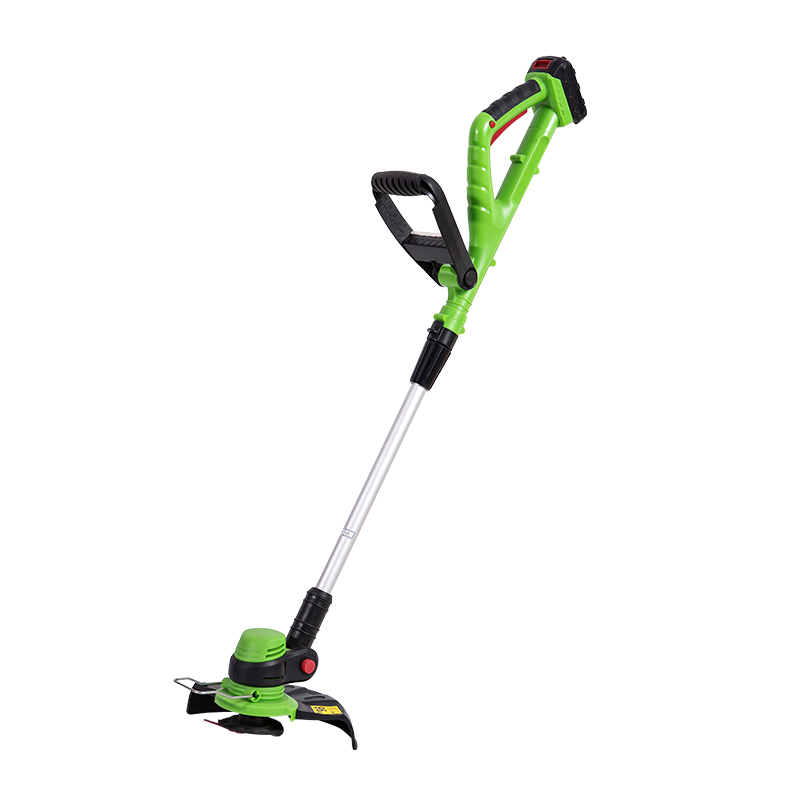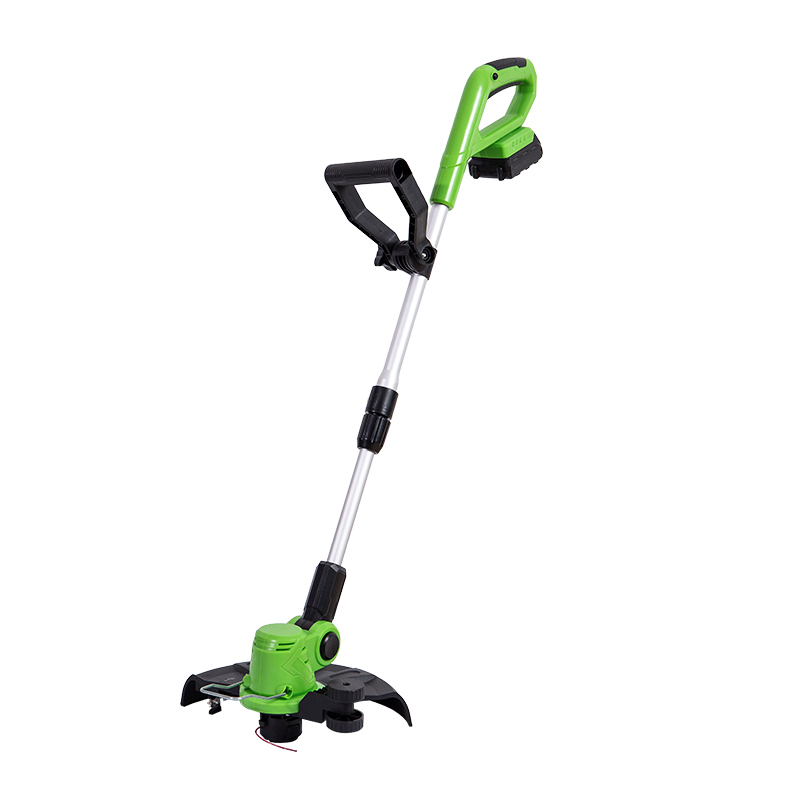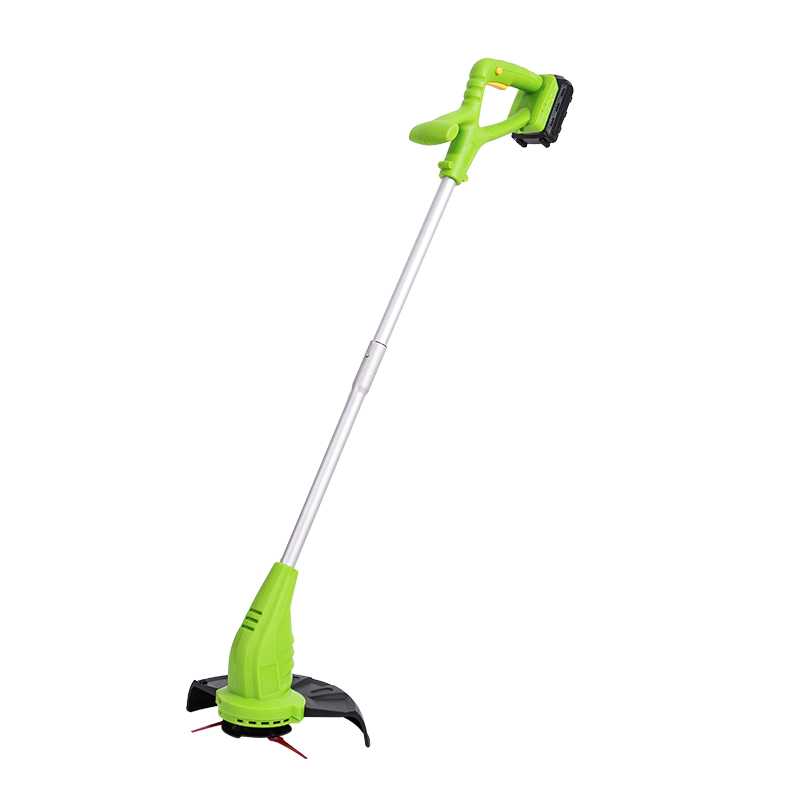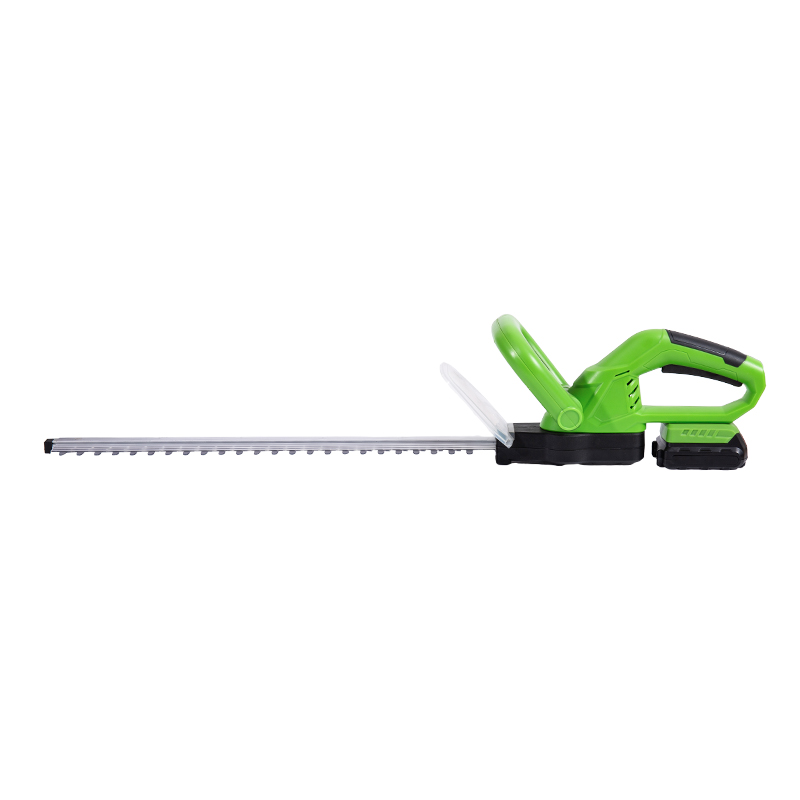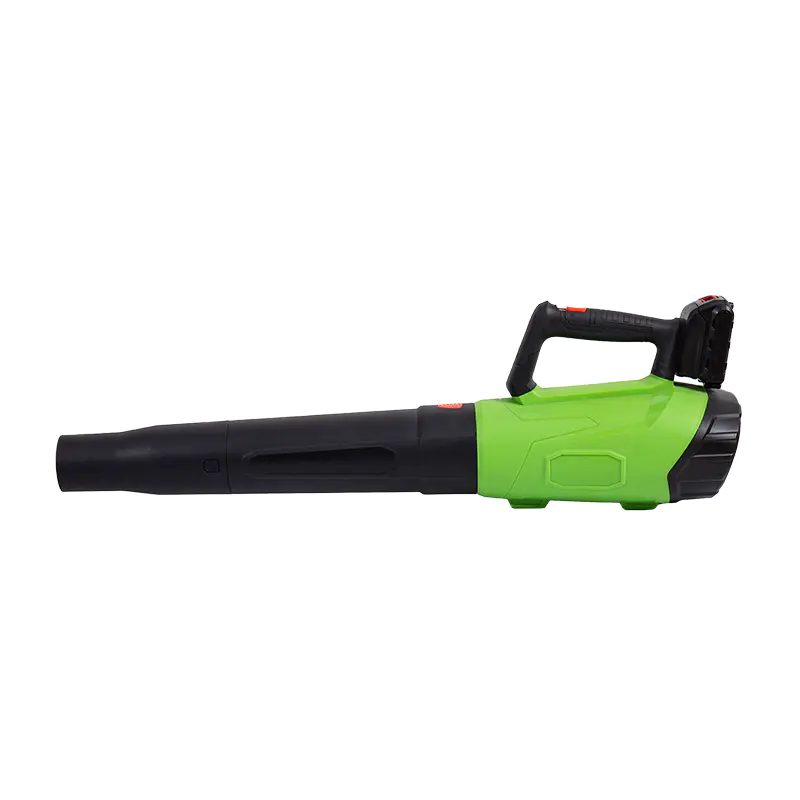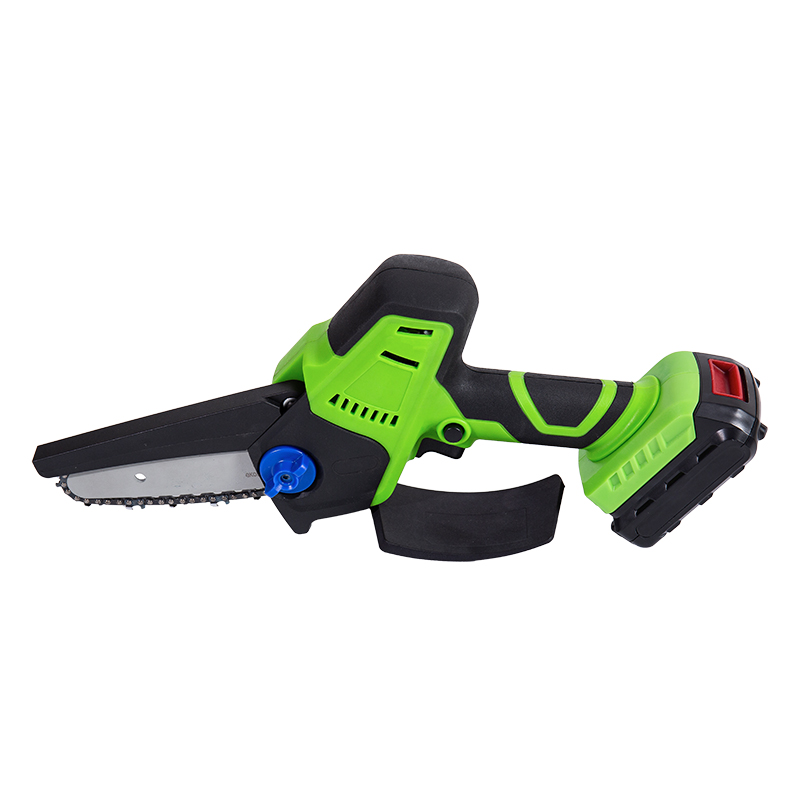
Cordless string trimmers have become an essential tool for homeowners and landscaping professionals alike. These devices are designed to offer the convenience of mobility and flexibility without the constraints of a cord. If you’re in the market for a cordless string trimmer, it’s essential to know which features to prioritize to ensure you get the value for your investment.
Battery life is one of the important factors to consider when purchasing a cordless string trimmer. A longer battery life means more time spent trimming and less time waiting for a recharge. Lithium-ion batteries are the common choice for cordless tools due to their high energy density, longer life, and faster charging times.
The weight of a cordless string trimmer can significantly affect your comfort and efficiency while using it. Since these tools are often used for extended periods, a lightweight design reduces fatigue, especially when tackling large areas.
The cutting width of a cordless string trimmer determines how much area you can cover in one pass. Wider cutting widths allow you to cover more ground, making the trimmer more efficient.
The design of the trimmer head is also an important feature. It determines how easy it is to replace the cutting line and how well the trimmer can handle tough grass.
Having adjustable speed control gives you the ability to tailor the trimmer’s power output for different tasks. Low speeds are ideal for more precise trimming around delicate plants, while high speeds are necessary for thicker grass and tougher weeds.
When buying a cordless string trimmer, you want a model that will last. Look for units that feature sturdy construction and can withstand the wear and tear of regular use.
Some cordless string trimmers come with added features that can enhance convenience and efficiency.
Selecting the cordless string trimmer depends largely on your specific needs. Here’s a quick guide to help you determine the fit:
| Feature | For Small Yards | For Large Yards | For Heavy-Duty Use |
|---|---|---|---|
| Battery Voltage | 20V - 40V | 40V - 60V | 60V+ |
| Cutting Path | 10 - 12 inches | 14 - 16 inches | 16 - 18 inches |
| Runtime | 30 minutes | 45 - 60 minutes | 60+ minutes |
| Weight | Light (5 - 6 lbs) | Medium (6 - 8 lbs) | Heavy (8 - 10 lbs) |
| Speed Control | Single speed | Variable speed | Variable speed |
Battery life varies depending on the model, but cordless string trimmers offer anywhere from 30 minutes to an hour of runtime on a single charge. For longer use, look for trimmers with higher-capacity batteries (40V or higher).
Yes, many cordless string trimmers are capable of handling thick weeds, especially those with a higher voltage (40V+). Look for models with dual-line systems and adjustable speeds for performance.
Most cordless string trimmers use either a bump feed or automatic feed system. For bump feed, you tap the trimmer head on the ground to release more string. For automatic feed, the trimmer will release string as needed without manual intervention.
Many cordless string trimmers come with a pivoting head or adjustable shaft that allows you to rotate the trimmer for edging along sidewalks, driveways, or flower beds. Check the trimmer’s features before purchasing to ensure it can be used for edging.
Regular maintenance for cordless string trimmers includes cleaning the trimmer head after each use, checking the string for wear and tear, and ensuring the battery is charged and stored properly. Consult the user manual for specific maintenance recommendations.
No.888 Zijin Road, Dongshan Town, Wuzhong District, Suzhou City, Jiangsu Province, China, 215107
+86-18994336227
+86-0512-66399580
Copyright © Suzhou Yuyuan Machinery Co., Ltd. All Rights Reserved.
 English
 Español