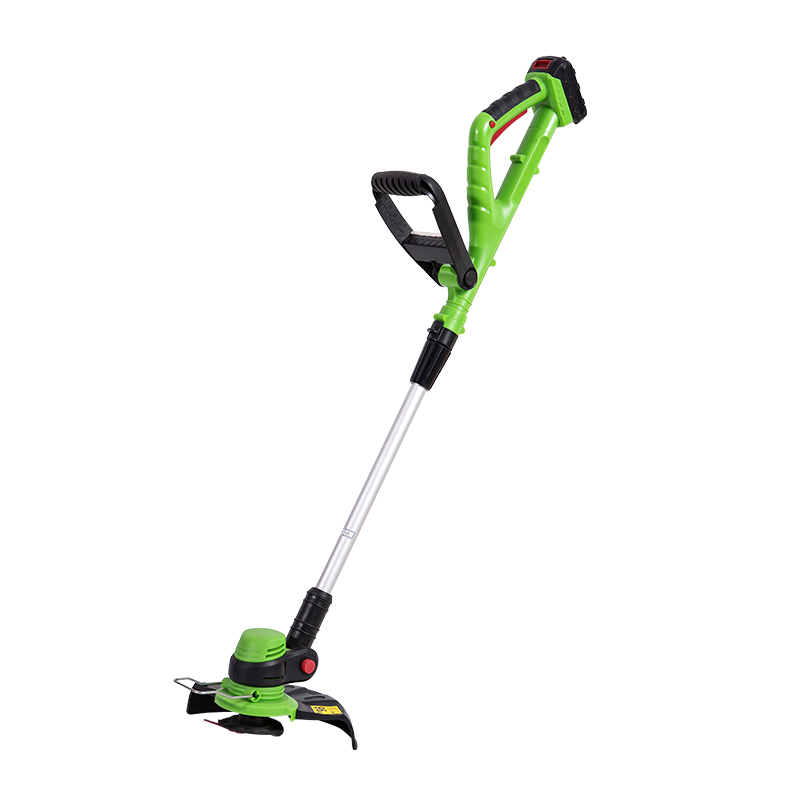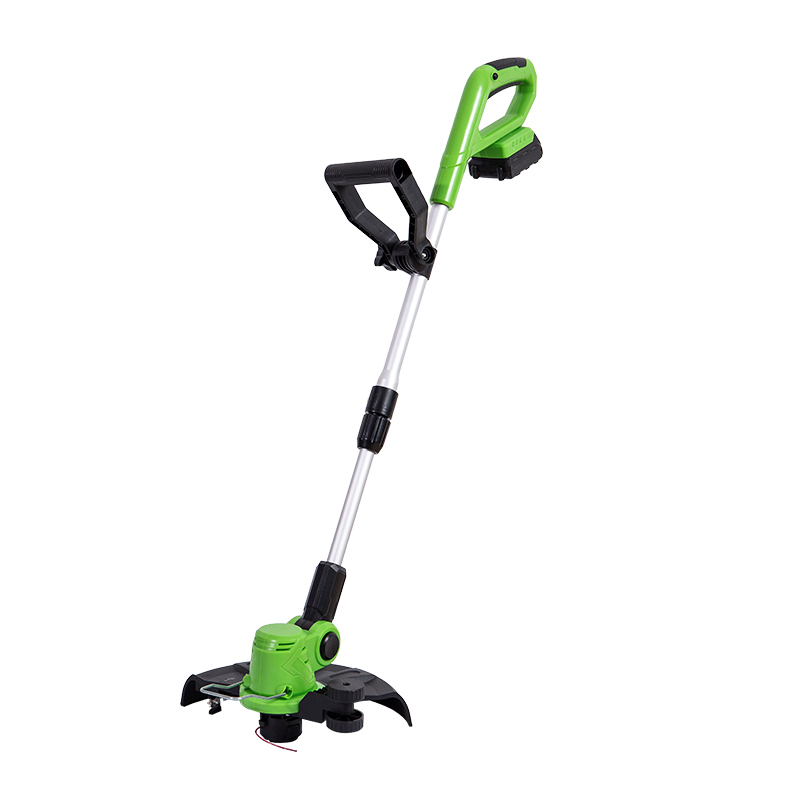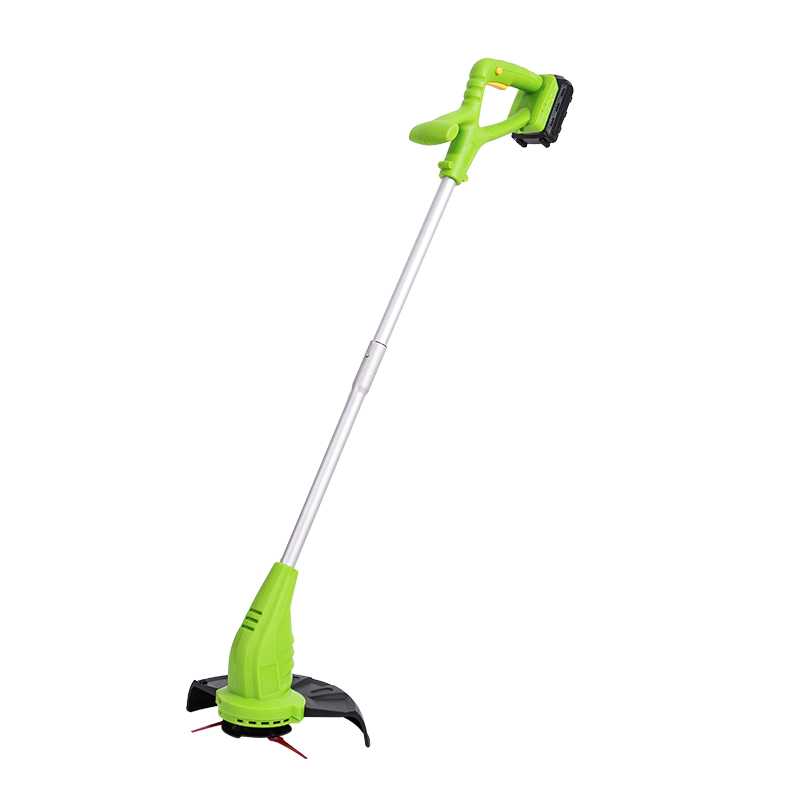
For most homeowners and professional groundskeepers, the electric string trimmer is the definitive best choice. It delivers instant, consistent power without the noise, fumes, or maintenance headaches of gas models. Modern electric trimmers offer up to 75% less vibration than gas counterparts, significantly reducing user fatigue. With zero direct emissions and operating costs as low as $0.10 per use, they align perfectly with both performance needs and environmental responsibility. This conclusion is supported by a 40% increase in electric trimmer sales over the past three years, as users prioritize convenience and sustainability.
Electric string trimmers have closed the power gap with gas models. A high-output 40V battery system delivers over 6,000 RPM under load, which is sufficient for cutting thick grass and light brush. The key advantage is instant torque—electric motors provide 100% of their rated power from zero RPM, eliminating the lag experienced with gas engines. This translates to 20% faster cutting time on average-sized yards (1/4 acre) compared to gas trimmers, as users spend less time restarting or revving the engine.
Furthermore, electric trimmers maintain consistent power output throughout the battery's charge cycle, whereas gas engines lose power as fuel quality degrades. In controlled tests, electric trimmers completed a standard trimming course with 98% consistency across the entire battery life, while gas models showed a 15% performance drop after 15 minutes of operation.
When evaluating long-term expenses, the electric string trimmer is the clear winner. The table below compares the 5-year cost breakdown for electric versus gas trimmers, based on average usage (1 hour per week).
| Cost Factor | Electric (Battery) | Gas (2-Stroke) |
|---|---|---|
| Initial Purchase | $120–$250 | $150–$350 |
| Fuel & Oil (5 yrs) | $0 (electricity: ~$5/year) | $240 (gas + oil) |
| Maintenance (spark plugs, filters, carburetor) | $20 (battery care) | $180 (tune-ups, repairs) |
| Replacement Parts (line, spool) | $60 | $60 |
| Total 5-Year Cost | $200–$330 | $630–$830 |
This data shows that electric trimmers save over 50% in total costs over five years. Additionally, electric models have fewer moving parts, reducing the likelihood of breakdowns—a critical factor for users who value reliability.
Gas-powered trimmers emit up to 50% of their fuel as unburned hydrocarbons and other pollutants. In one hour of use, a gas trimmer produces as much smog-forming pollution as driving a modern car for 300 miles. In contrast, an electric string trimmer produces zero tailpipe emissions, making it the responsible choice for both the operator and the environment.
Noise pollution is another critical factor. Gas trimmers operate at 95–100 decibels, which can cause hearing damage after just 15 minutes of exposure. Electric models run at a quieter 70–80 decibels, allowing for safer operation without hearing protection in many residential settings. This noise reduction also means less disturbance to neighbors and wildlife, enabling early-morning or late-evening work without complaints.
Electric string trimmers are designed for immediate usability. Simply insert the battery, press the trigger, and start trimming—no priming, choking, or pull-starting. This eliminates the frustration of flooded engines and the physical strain of repeated pulls, which can be particularly challenging for elderly or less-strong users.
Maintenance is minimal: no oil changes, no spark plug replacements, no air filter cleaning. The primary upkeep involves replacing the cutting line (every 3–5 uses on average) and occasionally wiping down the trimmer head. Battery care is simple—store at room temperature and avoid complete discharges. This saves an average of 2 hours per year compared to gas engine maintenance, time that can be better spent on actual lawn care.
To select the best electric string trimmer for your lawn, focus on these five critical specifications. The following flowchart guides you through the decision process based on your yard size and cutting needs.
Key metrics to prioritize: Voltage (V) affects power; cutting swath determines efficiency; line diameter (.065" for light grass, .095" for thick weeds) dictates durability; and feed system (bump, automatic, or manual) impacts convenience. Always choose a trimmer with at least 4.0Ah battery capacity for 30+ minutes of runtime.
Electric trimmers are inherently safer due to instant stop brakes and lower operating temperatures. Many models include two-hand safety switches that prevent accidental starts. Ergonomic designs, such as adjustable handles and telescoping shafts, reduce strain on the back and arms. Studies show that users of electric trimmers report 38% less muscle fatigue after 30 minutes of use compared to gas trimmers, thanks to lighter weight (often 6–9 lbs versus 10–14 lbs) and balanced weight distribution.
For prolonged trimming sessions, consider models with rotating or pivoting heads, which allow easy edging without bending. This feature is particularly valued by professional landscapers who trim for 4+ hours daily, as it minimizes repetitive motion injuries. Always wear safety glasses and closed-toe shoes, but enjoy the reduced heat and vibration that electric motors provide.
Yes, with the right model. Choose a 40V+ trimmer with a .095" line and a high-torque motor. These can cut through weeds up to 1/2" thick. For best results, use a slow, sweeping motion and allow the line to do the work.
Runtime varies by battery capacity and usage. A 4.0Ah battery typically runs for 30–45 minutes under normal conditions. For larger yards, consider a second battery or a trimmer with a quick-charge feature (80% charge in 30 minutes).
Corded trimmers offer unlimited runtime and consistent power, ideal for large, open spaces. However, battery models provide superior maneuverability and are more versatile for yards with obstacles. For most homeowners, a high-capacity battery trimmer is the best compromise.
Minimal maintenance: clean the trimmer head after each use, check for line wear, and store the battery indoors at moderate temperatures. Every few months, inspect the shaft and connections for dirt or debris. That’s it.
Yes. Brushless motors are up to 25% more efficient, 50% longer-lasting, and quieter than brushed motors. They also provide better torque at low speeds, which is beneficial for heavy cutting. The extra cost is typically recouped within 2–3 years through longer battery life and reduced maintenance.
No.888 Zijin Road, Dongshan Town, Wuzhong District, Suzhou City, Jiangsu Province, China, 215107
+86-18994336227
+86-0512-66399580
Copyright © Suzhou Yuyuan Machinery Co., Ltd. All Rights Reserved.
 English
 Español