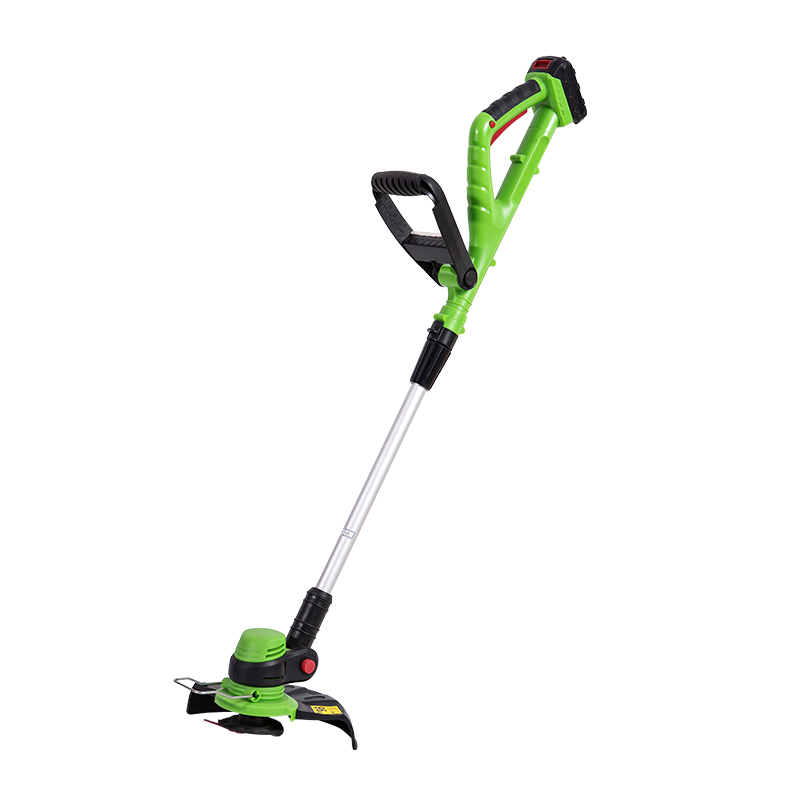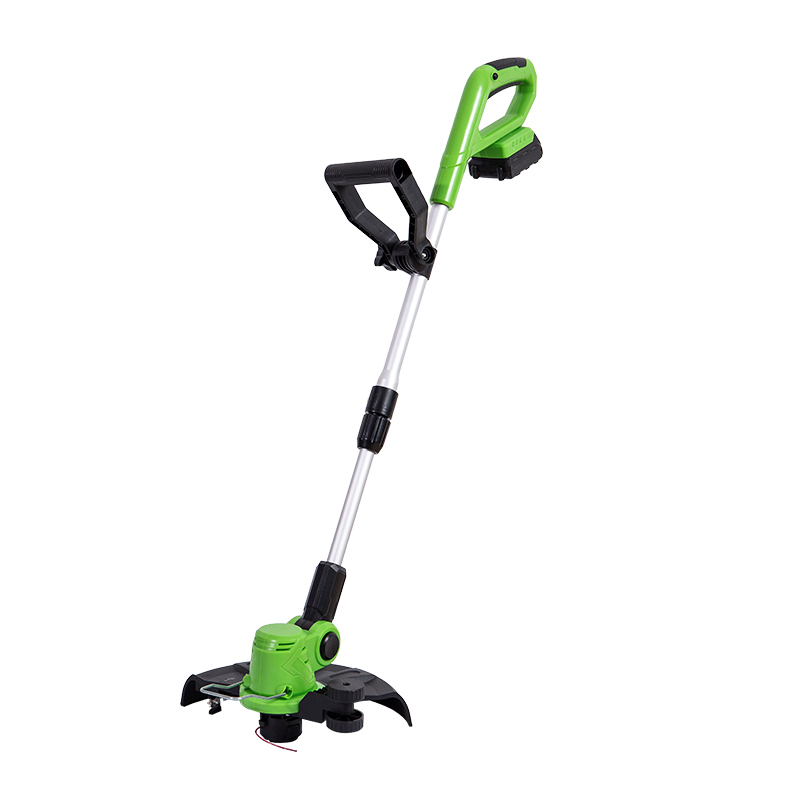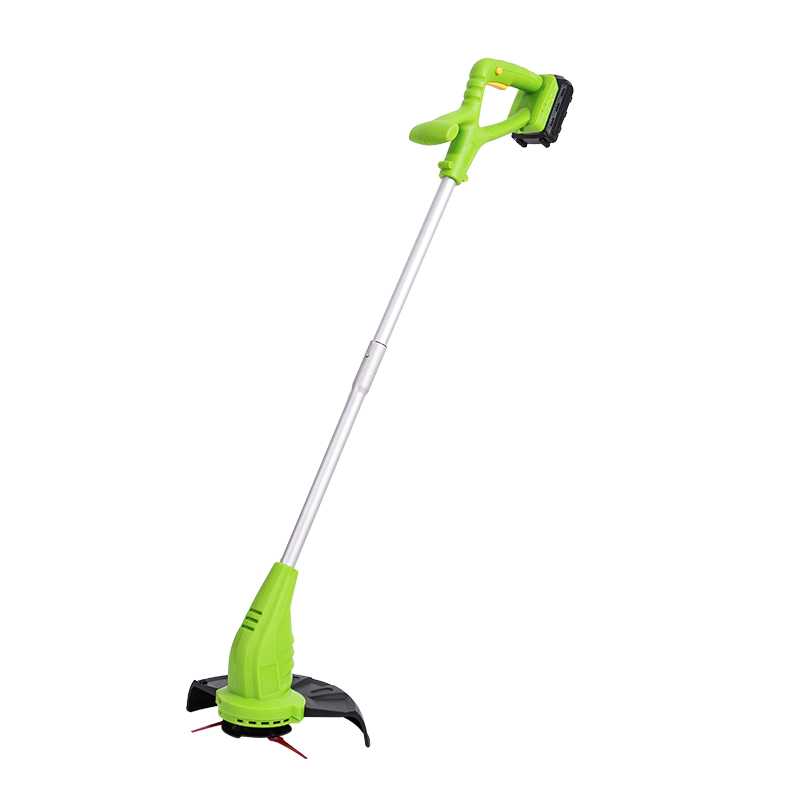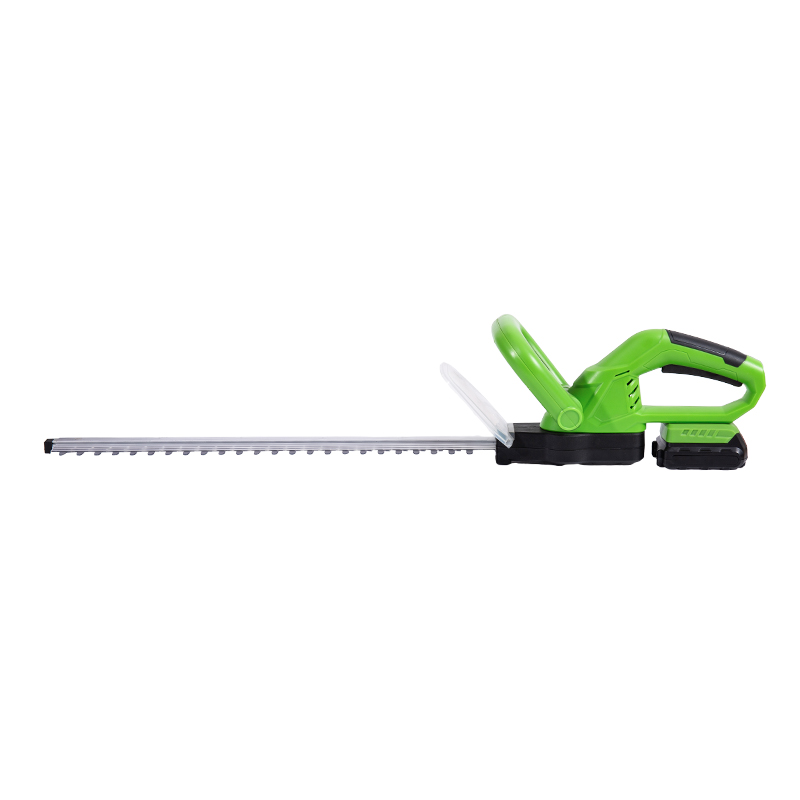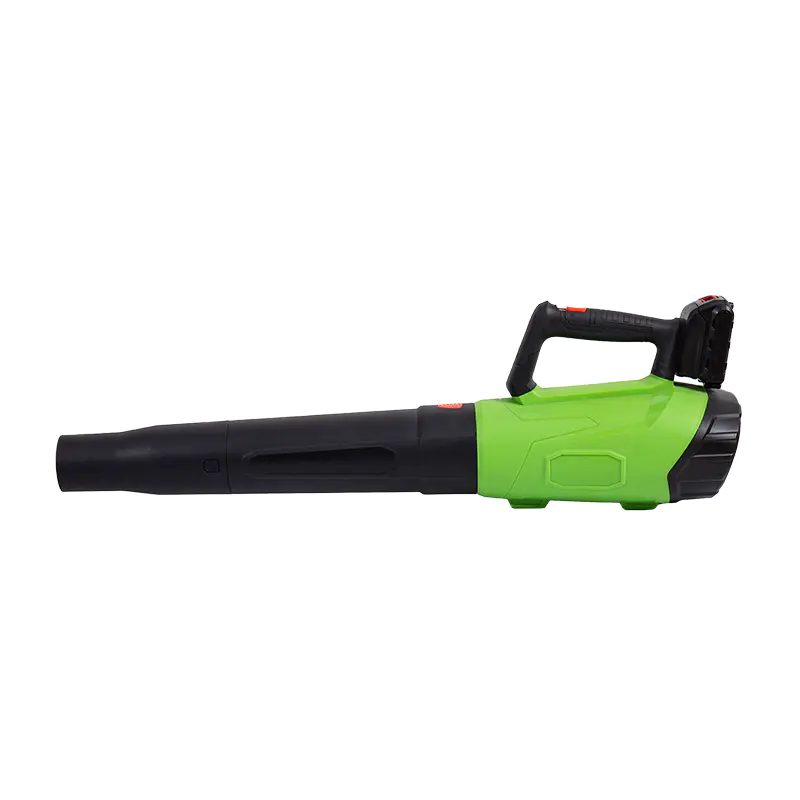
As environmental awareness continues to shape consumer behavior, outdoor power equipment is undergoing a noticeable transformation. Among these tools, the electric string trimmer has gained increasing attention as an alternative to traditional gas-powered models. This shift is not merely driven by convenience but also by growing concerns about emissions, energy efficiency, and sustainability.
The question remains: are electric string trimmers truly better for the environment than gas models? To answer this, it is essential to examine their environmental impact across multiple dimensions, including emissions, energy consumption, lifecycle sustainability, and operational efficiency.
String trimmers, often referred to as weed eaters or grass trimmers, are essential tools for maintaining lawns and landscapes. They are primarily categorized into two types:
Electric models rely on electricity stored in batteries or supplied through a cord, while gas models use internal combustion engines fueled by gasoline. This fundamental difference significantly influences their environmental footprint.
One of the significant distinctions between electric and gas trimmers lies in emissions.
Gas-powered trimmers produce direct emissions during operation. These include:
Two-stroke engines, commonly used in lightweight gas trimmers, are particularly inefficient, often releasing unburned fuel into the air. This contributes to air pollution and environmental degradation.
Electric string trimmers generate zero direct emissions during use. However, indirect emissions may arise depending on how the electricity is generated. If powered by renewable energy sources, their environmental impact is significantly reduced.
| Factor | Electric String Trimmer | Gas String Trimmer |
|---|---|---|
| Direct emissions | None | High |
| Indirect emissions | Depends on energy source | Minimal (fuel production) |
| Air pollution impact | Low | High |
| Carbon footprint (usage) | Low to moderate | High |
Energy efficiency plays a key role in evaluating environmental sustainability.
Electric string trimmers convert a higher percentage of input energy into usable power. Battery-powered models, in particular, benefit from advancements in lithium-ion technology, offering improved runtime and efficiency.
Gas engines, on the other hand, lose a considerable amount of energy through heat and friction. Their lower efficiency means more fuel consumption for the same level of performance.
Noise pollution is often overlooked when assessing environmental impact.
Lower noise emissions make electric models more suitable for environmentally sensitive areas and urban settings.
Maintenance requirements also influence environmental impact.
The simplicity of electric string trimmer maintenance reduces the likelihood of harmful substances entering the environment.
To fully understand environmental performance, it is important to consider the entire lifecycle of the product.
Electric trimmers, especially battery-powered ones, require materials such as lithium, cobalt, and other metals. The extraction and processing of these materials can have environmental consequences.
Gas trimmers involve metal components and engines, but their manufacturing impact is generally lower than that of battery production.
Electric models excel during the usage phase due to their zero direct emissions and higher efficiency.
Gas models have a continuous environmental impact due to fuel consumption and emissions.
Battery disposal and recycling present challenges for electric models. However, advancements in recycling technologies are improving sustainability.
Gas trimmers also contribute to waste but lack complex battery components.
| Stage | Electric String Trimmer | Gas String Trimmer |
|---|---|---|
| Manufacturing | Higher (battery production) | Moderate |
| Usage | Low environmental impact | High environmental impact |
| Maintenance | Minimal impact | Moderate impact |
| Disposal | Battery recycling required | Standard waste disposal |
Environmental benefits must be balanced with performance requirements.
Electric string trimmers are well-suited for:
Gas models may still be preferred for:
However, ongoing improvements in battery capacity and motor efficiency are narrowing this performance gap.
The environmental advantage of electric string trimmers becomes more pronounced when powered by renewable energy sources such as solar or wind.
Using clean energy reduces indirect emissions, making electric models a more sustainable choice overall. This aligns with broader trends in eco-friendly lawn care and green energy adoption.
While initial costs may vary, electric string trimmers often provide long-term environmental and economic benefits:
These factors contribute to a reduced overall environmental burden.
Electric string trimmers offer clear environmental advantages over gas models in several key areas, particularly in emissions, noise pollution, and operational efficiency. Although battery production and disposal present challenges, advancements in technology and recycling are steadily improving their sustainability profile.
Gas-powered trimmers, while still relevant for heavy-duty applications, carry a higher environmental cost due to emissions and fuel consumption. For residential and light commercial uses, the electric string trimmer represents a more environmentally responsible choice.
Ultimately, the decision depends on specific usage needs, but from an environmental perspective, electric models are increasingly becoming the preferred option in modern lawn care.
1. Are electric string trimmers completely emission-free?
Electric string trimmers produce no direct emissions during operation. However, indirect emissions may occur depending on how the electricity is generated.
2. Do electric string trimmers have enough power for thick grass?
Modern electric models, especially cordless string trimmers, are capable of handling moderately thick grass, though extremely dense vegetation may still require more powerful equipment.
3. Is battery disposal harmful to the environment?
Battery disposal can pose environmental risks if not handled properly. Recycling programs and improved battery technologies are helping to mitigate this issue.
4. Are electric string trimmers more cost-effective over time?
Yes, they generally have lower operating and maintenance costs, making them more economical in the long run.
5. Can electric string trimmers replace gas models entirely?
For residential applications, they can. However, gas models may still be preferred for large-scale or heavy-duty landscaping tasks.
No.888 Zijin Road, Dongshan Town, Wuzhong District, Suzhou City, Jiangsu Province, China, 215107
+86-18994336227
+86-0512-66399580
Copyright © Suzhou Yuyuan Machinery Co., Ltd. All Rights Reserved.
 English
 Español