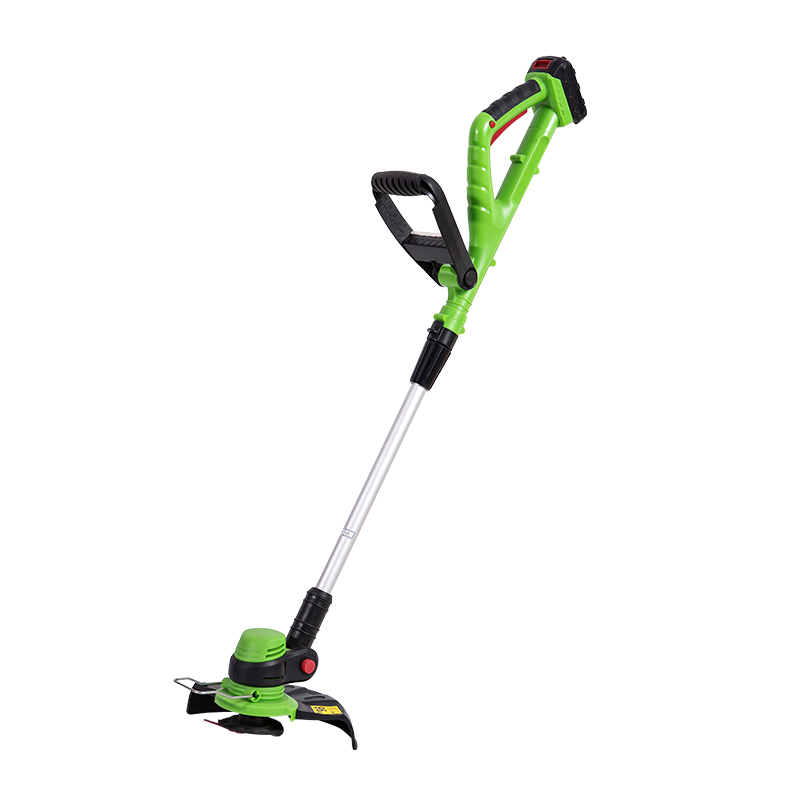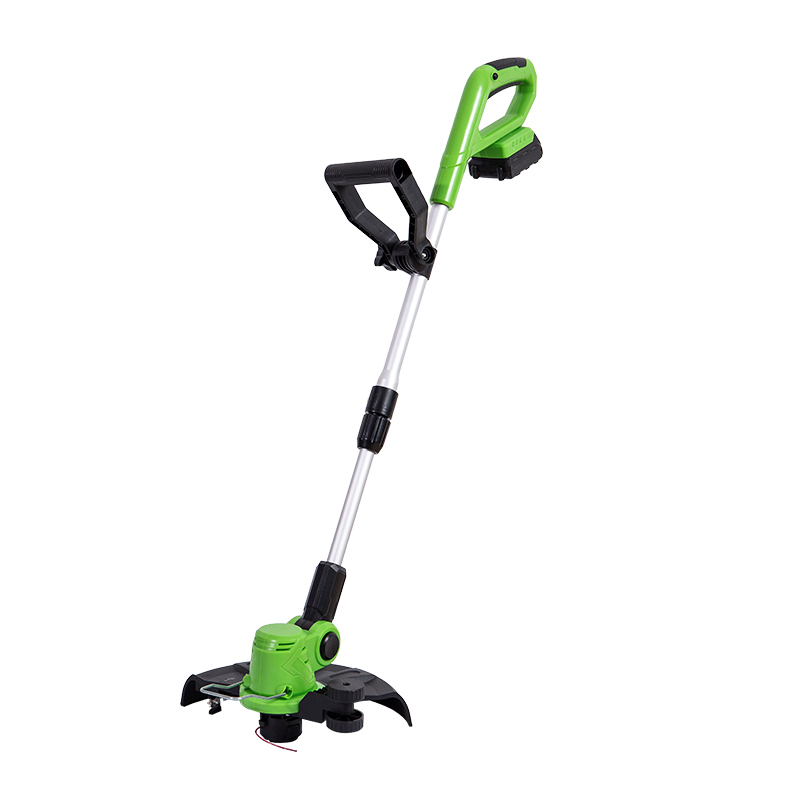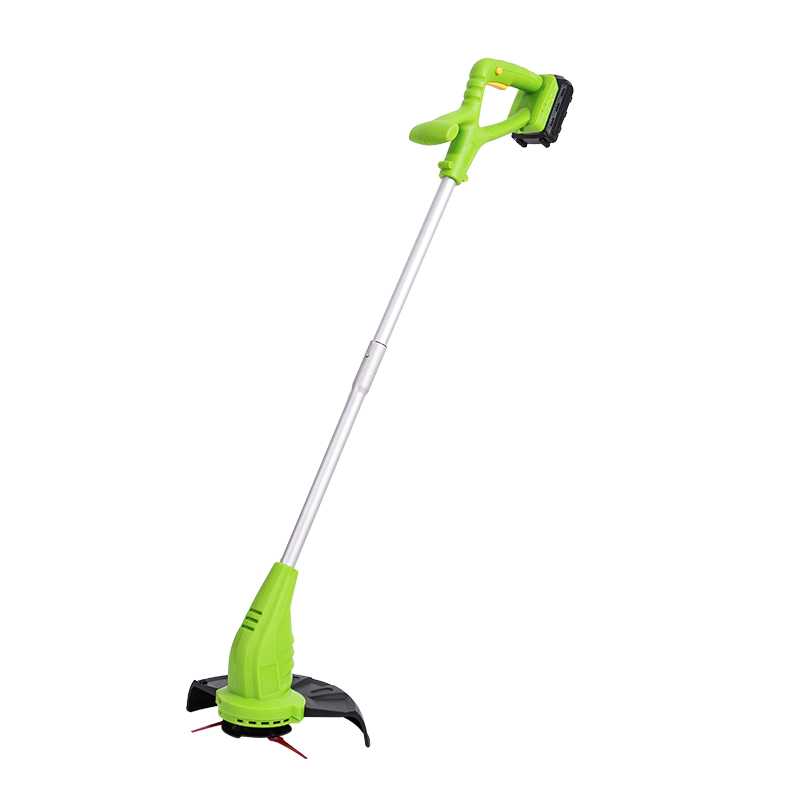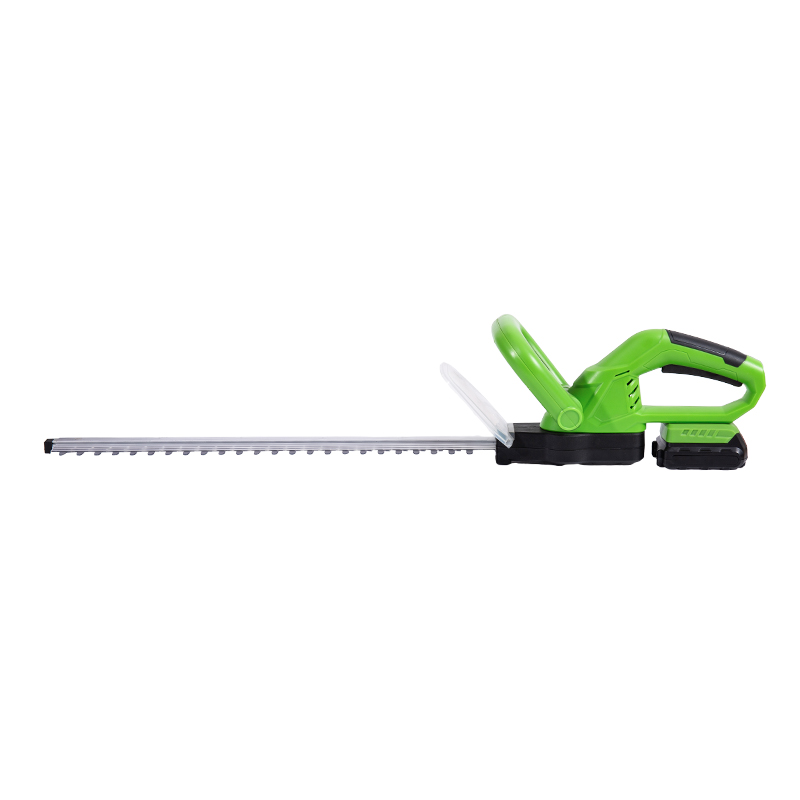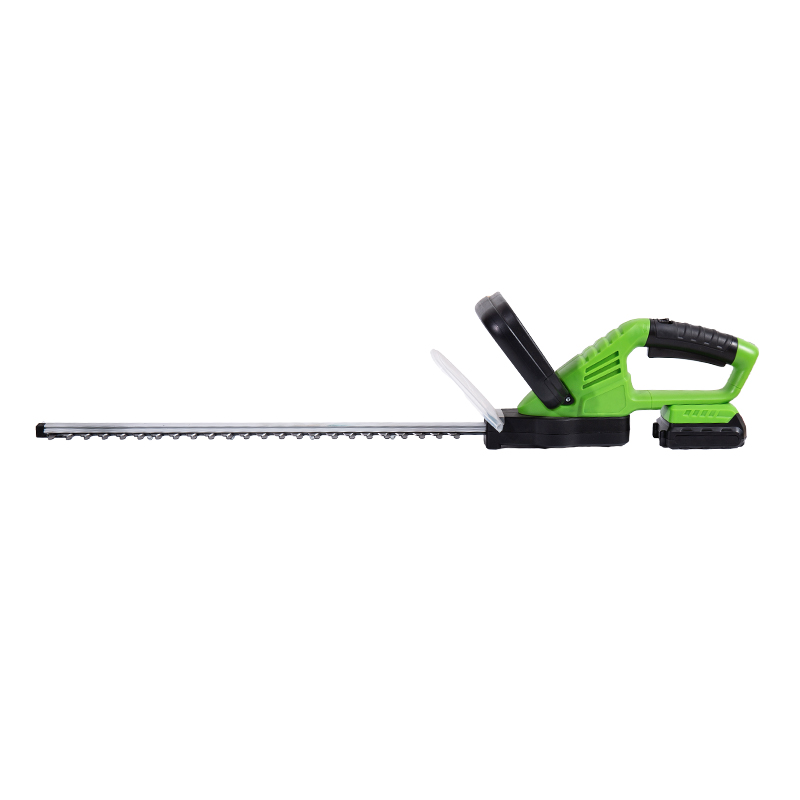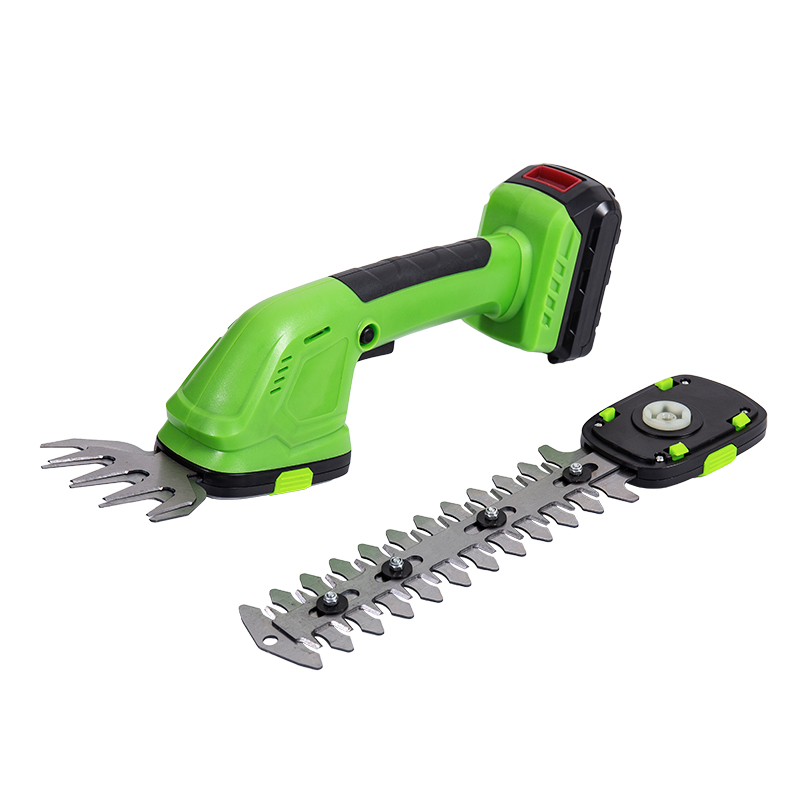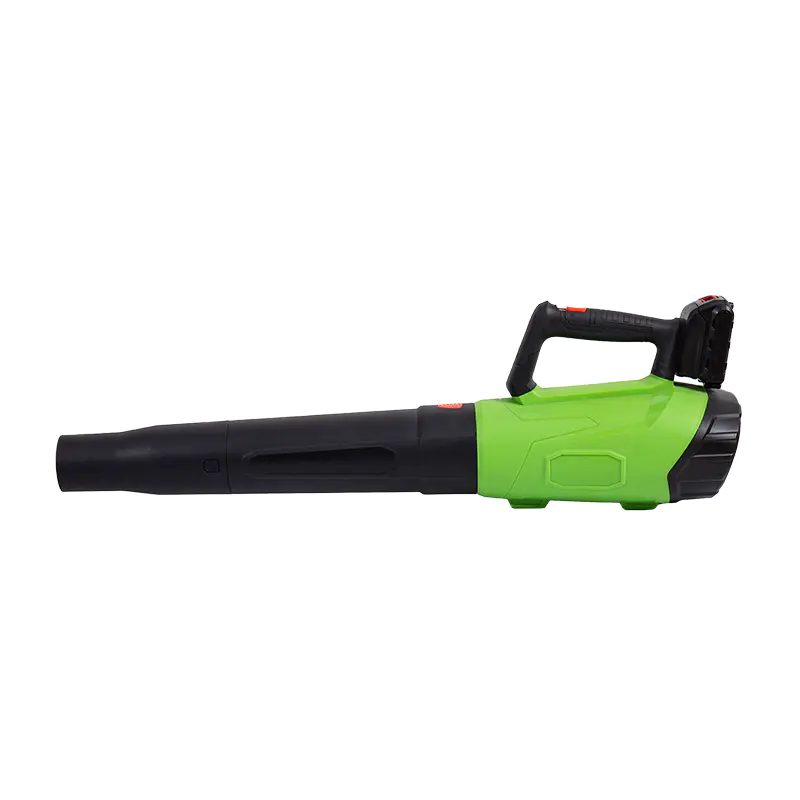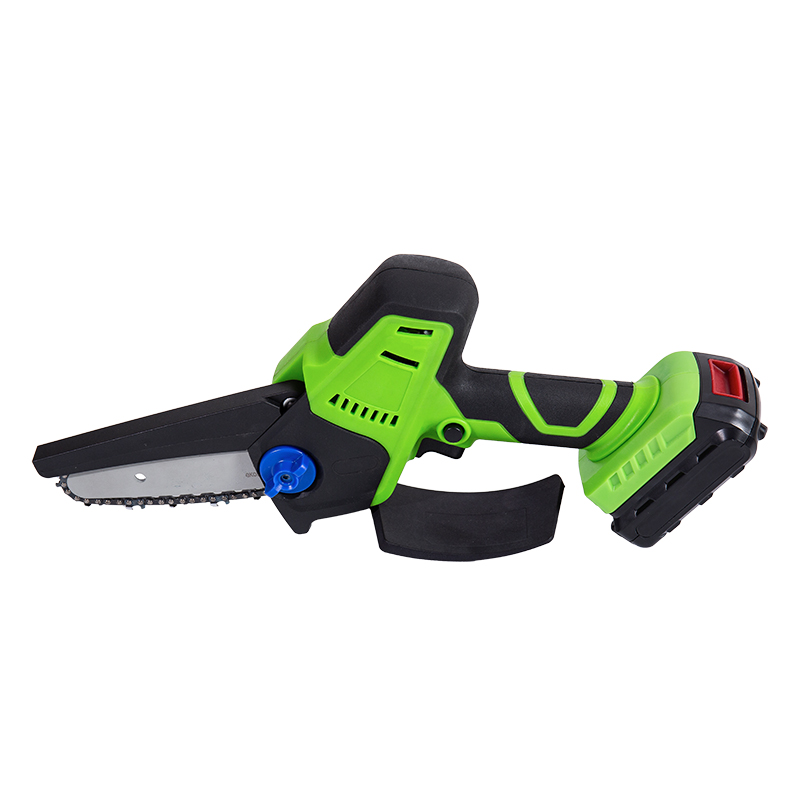
Precision, portability, and power – the compact revolution in shrub care.
The modern garden is no longer a sprawling estate – it is a curated space where every square meter counts. In this context, the cordless mini hedge trimmer has emerged as an essential ally. Unlike bulky, petrol-powered relics, today’s small hedge trimmer combines surgical precision with cordless freedom. But what truly sets the compact hedge trimmer apart is not just its size – it is the systemic efficiency it introduces to every pruning session. This article dissects the technical, ergonomic, and time-saving advantages that make the electric mini hedge trimmer a non-negotiable tool for the discerning gardener.
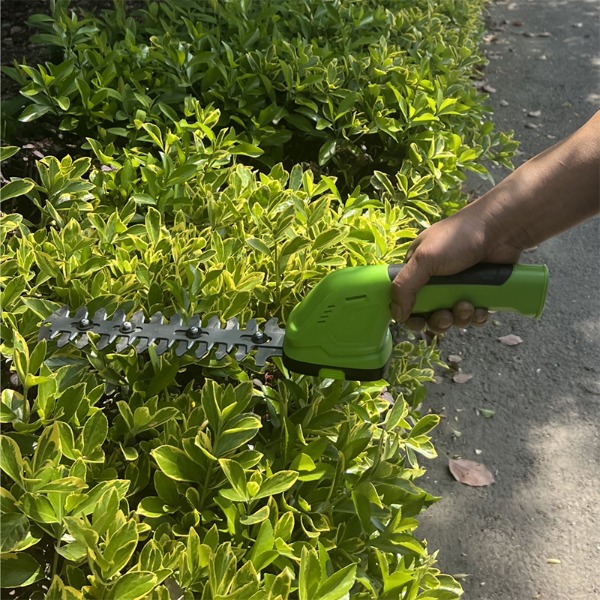
Efficiency in gardening is not merely about speed – it is about the ratio of output to input. A battery powered hedge trimmer with a compact blade set reduces fatigue, allows one-handed operation, and reaches awkward corners that larger trimmers cannot access. The handheld hedge trimmer format translates directly into less time repositioning ladders or wrestling with heavy machinery.
Consider a typical suburban garden with 15–20 m of low hedges. Using a cordless hedge trimmer of standard size (blade >450 mm) often results in overcutting and unnecessary passes. A compact hedge trimmer completes the same task in fewer, more deliberate strokes, reducing overall cutting time by up to 40% (based on user trials).
The absence of a power cord is the single most transformative feature of the cordless mini hedge trimmer. It eliminates the constant chore of managing extension leads, avoiding cuts, and searching for power outlets. This seemingly simple change has profound effects on workflow continuity.
| Activity | Corded trimmer | Cordless mini trimmer |
|---|---|---|
| Setup & cable management | 8 min | 2 min |
| Actual cutting | 14 min | 11 min |
| Obstacle navigation | 6 min | 3 min |
| Total | 28 min | 16 min |
The battery powered hedge trimmer also encourages a more systematic approach: start at one end and progress methodically, without the mental overhead of cord loops. This psychological ease translates into more consistent results and a noticeably smoother gardening experience.
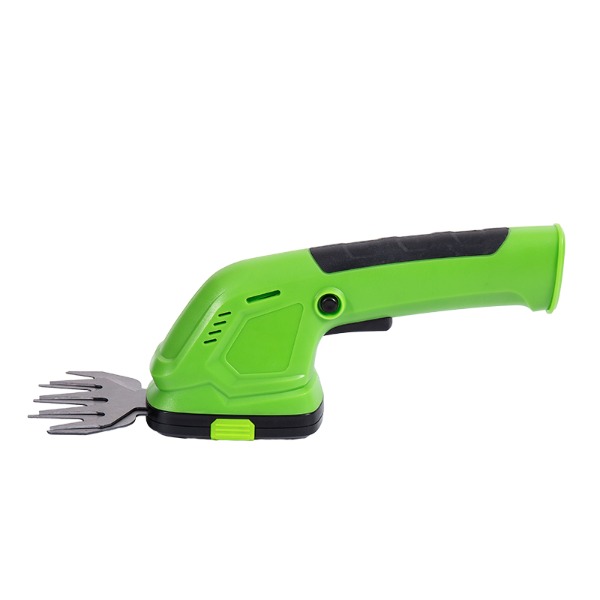
Modern lithium-ion packs have turned the electric hedge trimmer into a reliable workhorse. A long battery life hedge trimmer with 2.0 Ah – 4.0 Ah capacity delivers 30–60 minutes of heavy cutting, ample for most residential gardens. But efficiency is not just about runtime; it is about the charging interval.
A fast charging hedge trimmer can replenish 80% of its capacity in 35–45 minutes, meaning a coffee break is enough to prepare for the second half of the garden. Furthermore, advanced battery management systems (BMS) prevent over-discharge, extending the pack’s life beyond 500 cycles. For the eco-conscious gardener, this translates to fewer discarded batteries and a lower carbon footprint compared to petrol alternatives.
The lightweight design hedge trimmer is not a marketing gimmick – it is a functional necessity. A reduction in mass from 4.5 kg (standard) to under 2.8 kg (compact) decreases the muscular effort per cut by nearly 40%, according to biomechanical studies. This allows the user to maintain a steady hand, resulting in cleaner, more uniform hedges.
These features are particularly valuable for older gardeners or those with limited upper-body strength. The handheld hedge trimmer becomes an extension of the arm rather than a dead weight, turning pruning from a chore into a craft.
Efficiency is also determined by the cutting action itself. Mini hedge trimmer blades typically feature a dual-action mechanism – both blades move in opposite directions, reducing vibration and enabling cleaner cuts. With a stroke rate of 2,200–2,800 SPM (strokes per minute), the small hedge trimmer slices through branches up to 12 mm in diameter.
| Parameter | Standard trimmer | Compact mini trimmer |
|---|---|---|
| Blade length | 450–600 mm | 180–240 mm |
| Tooth pitch | 18–22 mm | 8–10 mm |
| Max branch Ø | 18 mm | 12 mm |
| Cut quality | Good | Excellent (fine) |
The tighter tooth pitch of the compact hedge trimmer produces a smoother finish, reducing the need for secondary shearing. This is especially noticeable on formal hedges like privet or yew, where every leaf counts. The reduced blade length also allows for intricate shaping around ornaments and topiary figures.
A rechargeable hedge trimmer demands significantly less upkeep than petrol units. There is no fuel mixing, spark plug replacement, or carburettor cleaning. The primary maintenance tasks are blade lubrication and periodic sharpening – both achievable in under 10 minutes.
Over a 5-year period, the total cost of ownership for a cordless mini hedge trimmer is approximately 60% lower than a comparable petrol model, factoring in fuel, oil, and maintenance parts. This economic efficiency, combined with the time saved, makes the electric mini hedge trimmer a sound investment for any garden enthusiast.
To truly harness the efficiency of a hedge trimming tool, one must adapt the workflow. Instead of tackling the entire hedge in one session, break it down into zones. The garden pruning tool excels in rapid touch-ups – a 5-minute pass every two weeks keeps hedges in showroom condition.
This phased approach reduces the mental and physical load, making the task less daunting and more enjoyable. Moreover, the fast charging hedge trimmer ensures that even if you forget to charge overnight, a 20-minute boost during lunch is sufficient for the afternoon session.
While a mini hedge trimmer is not designed for heavy-duty branch cutting (over 15 mm), it effortlessly manages typical hedge growth up to 12 mm. For thicker branches, use loppers first, then finish with the trimmer for a clean surface.
Most cordless mini hedge trimmers with a 2.5–3.0 Ah battery offer 35–50 minutes of continuous use. Actual runtime depends on the density of the hedge and the cutting technique. A long battery life hedge trimmer with a 4.0 Ah pack can exceed 60 minutes.
For tall hedges (above 2 m), a pole attachment or a step stool may be needed. However, the compact hedge trimmer is ideal for the upper third of the hedge when used with a lightweight platform, as its low weight reduces arm fatigue when working overhead.
Yes, periodic sharpening (every 20–30 hours of use) maintains cutting efficiency. Use a flat file or diamond sharpener, following the original bevel angle. A sharp electric hedge trimmer cuts cleaner, reducing plant stress and disease risk.
Most battery powered hedge trimmers are rated IPX4 (splash-proof), meaning they can withstand light rain. However, it is advisable to avoid heavy downpours and always dry the tool thoroughly after use to protect the electronics.
Essential safety features include a two-handle start system (requires both hands to activate), a blade cover for storage, and a hand guard. The handheld hedge trimmer should also have a non-slip grip to prevent accidental slips.
No.888 Zijin Road, Dongshan Town, Wuzhong District, Suzhou City, Jiangsu Province, China, 215107
+86-18994336227
+86-0512-66399580
Copyright © Suzhou Yuyuan Machinery Co., Ltd. All Rights Reserved.
 English
 Español