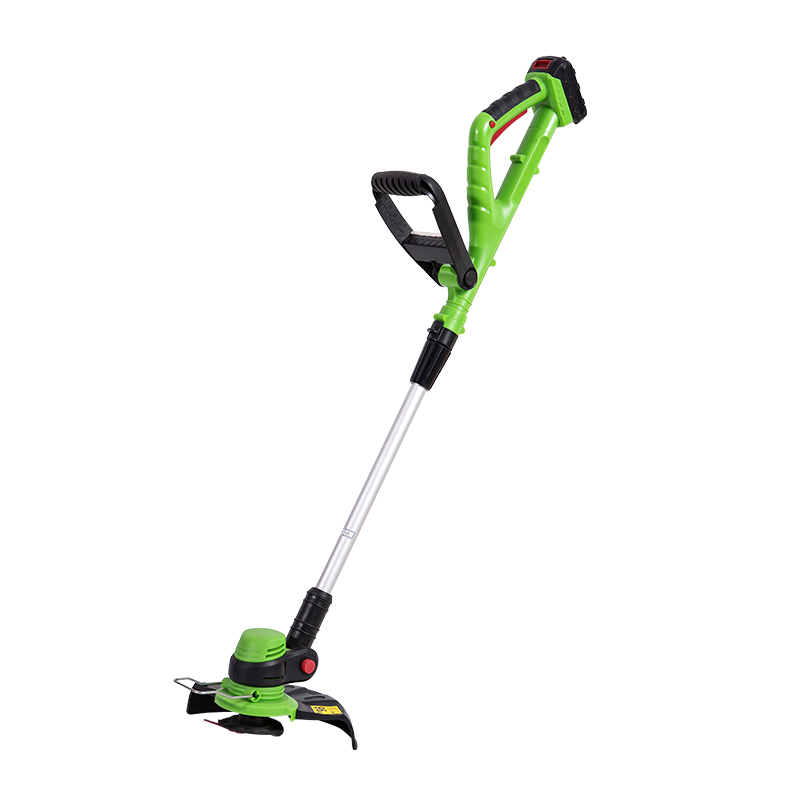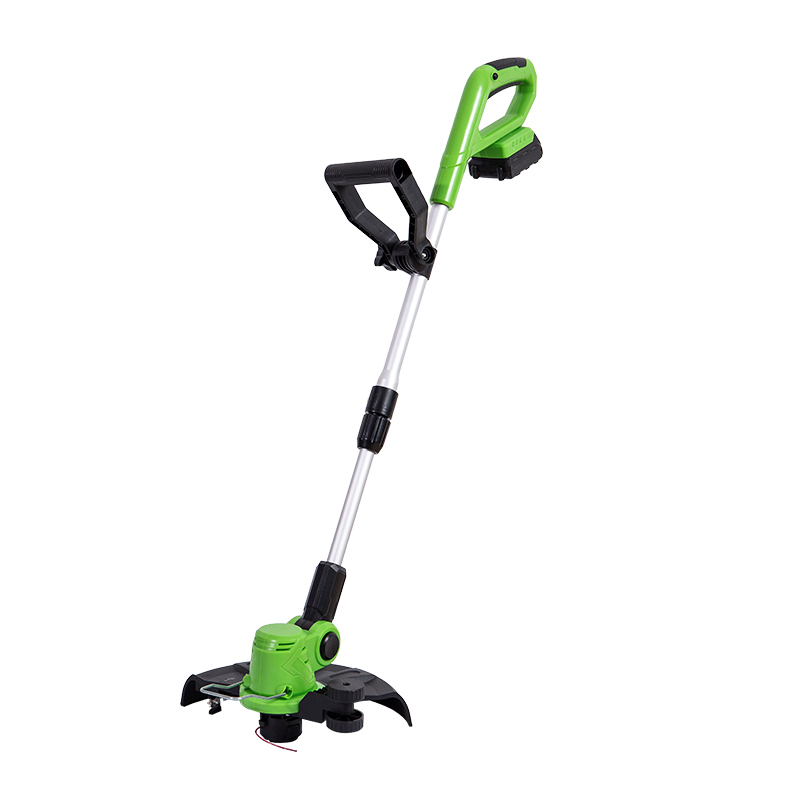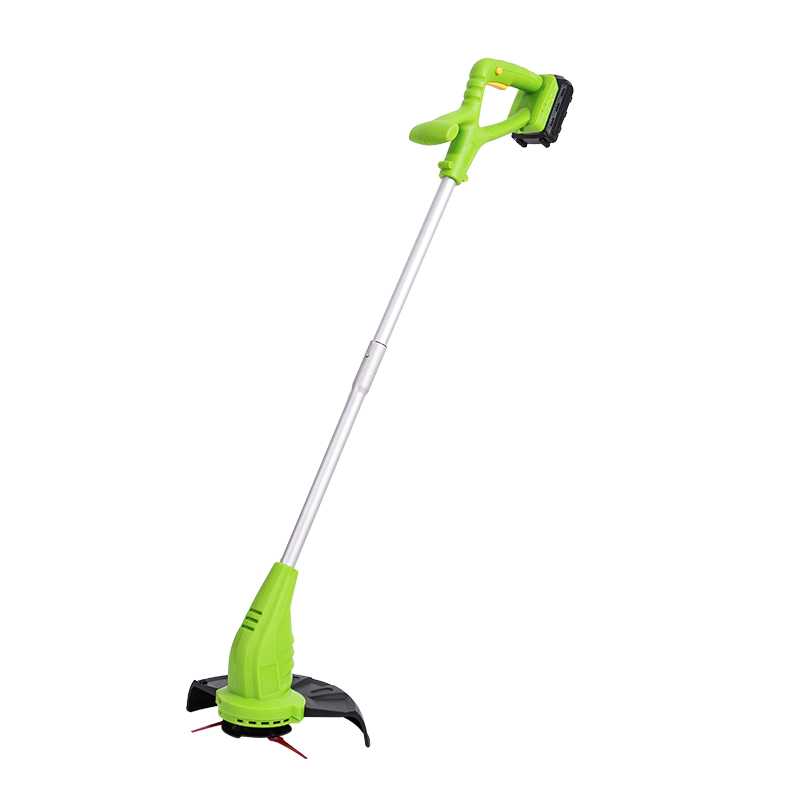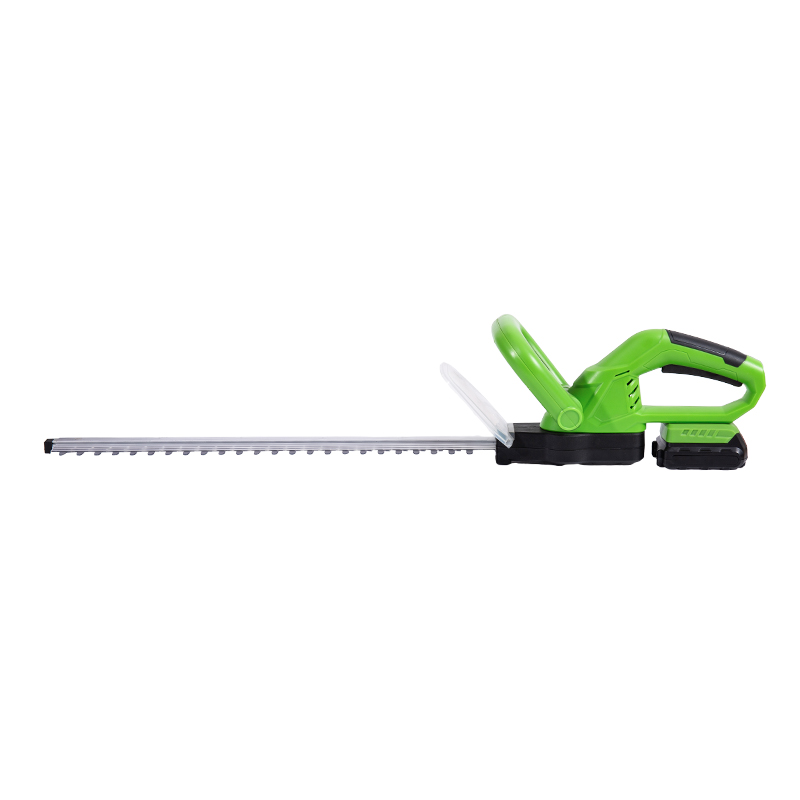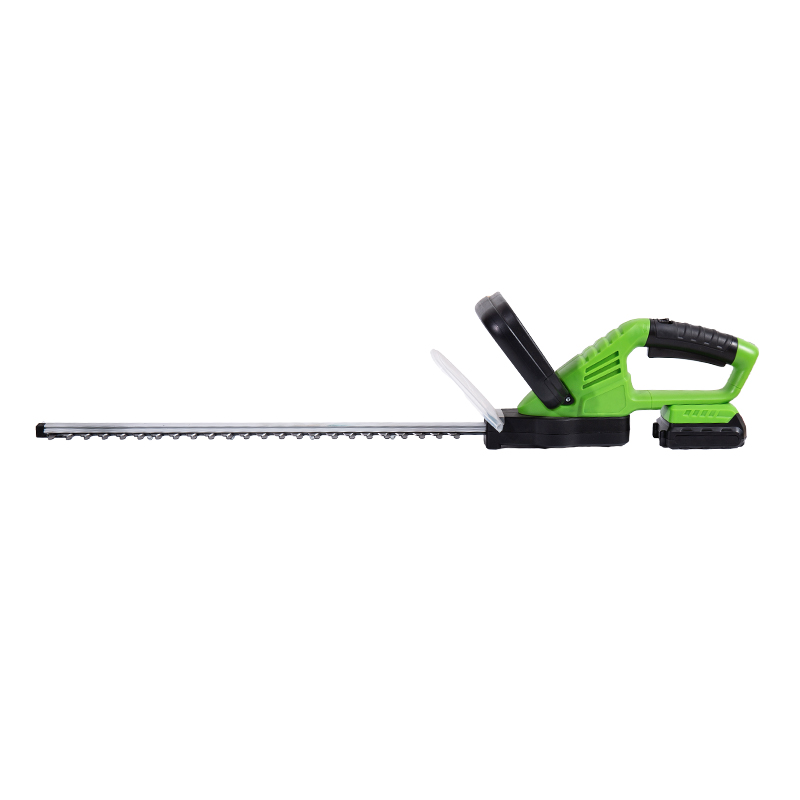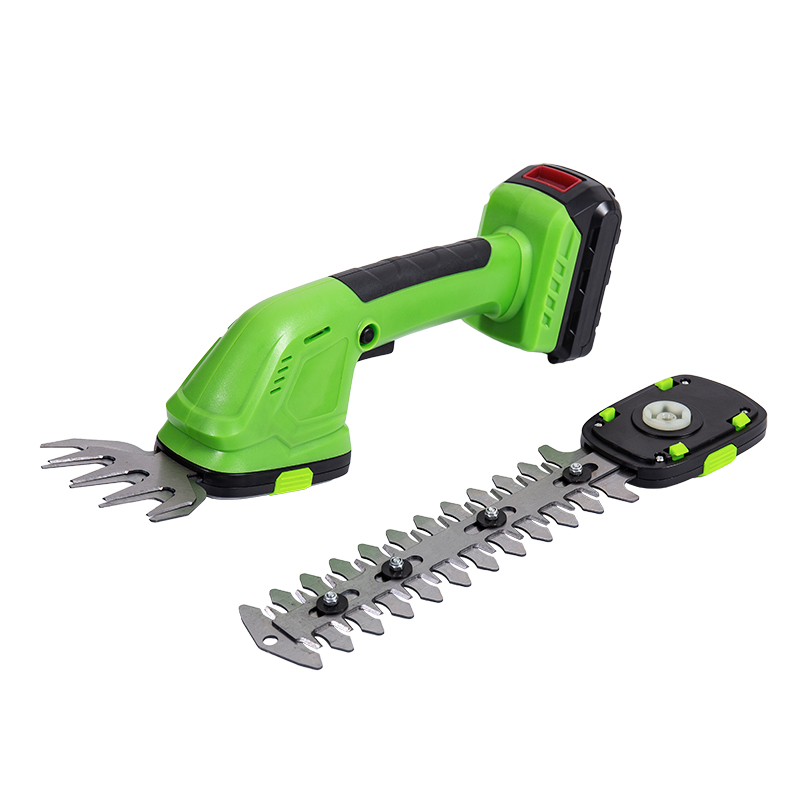
A mini hedge trimmer fills a specific gap in garden maintenance equipment. Unlike full-size trimmers built for tall privacy screens or commercial landscaping, this category targets container plants, low borders, topiary detailing, and tight spaces where a bulky tool becomes a liability rather than an asset. The rise in balcony gardening, small urban yards, and raised-bed landscaping has pushed demand for tools that trade raw cutting capacity for control and maneuverability.
Choosing the right unit requires looking past marketing language and focusing on measurable specifications: blade length, tooth gap, weight distribution, motor type, and battery behavior under load. This guide breaks down each of these factors so the decision is based on data rather than assumption.
Blade length on a small hedge trimmer typically ranges from 10 to 18 inches, noticeably shorter than the 24 to 30 inch blades found on standard models. This shorter reach is intentional: it reduces vibration transfer and allows tighter curves when shaping rounded shrubs or small topiaries.
Tooth gap, the space between cutting teeth, determines what diameter of branch the tool can handle cleanly. A gap under 10mm suits soft new growth and thin twigs, while a gap between 15 and 20mm accommodates woodier stems up to roughly three quarters of an inch. Choosing a gap too narrow for the material causes the blade to jam or stall repeatedly.
Non-stick coatings reduce sap buildup and friction, which matters more on compact units since their smaller motors have less reserve torque to push through resistance. Edge retention testing across typical consumer-grade steel blades shows a measurable dulling curve after roughly 15 to 20 hours of cumulative use on woody material, which is worth factoring into replacement blade budgeting.
| Tooth Gap | Best Suited For | Typical Branch Diameter |
|---|---|---|
| Under 10mm | Soft new growth, leafy hedges | Up to 6mm |
| 10 to 15mm | General mixed hedges | 6mm to 12mm |
| 15 to 20mm | Woody shrubs, thicker stems | 12mm to 18mm |
The defining advantage of a compact hedge trimmer is reduced arm fatigue during extended sessions, particularly when working overhead or at awkward angles around potted plants. Most units in this class weigh between 1.5 and 3 kilograms, roughly half the weight of a standard corded or petrol-powered trimmer.
Weight alone does not tell the full story. Balance point matters just as much: a tool with its center of mass closer to the grip requires less wrist torque to hold steady, even if the total weight is similar to a front-heavy alternative. When evaluating a unit in person, hold it with one hand extended for thirty seconds and note where fatigue develops first, forearm, wrist, or shoulder.
A cordless mini hedge trimmer offers unrestricted movement, which matters most in gardens with multiple separated planting zones. The tradeoff is runtime, typically 30 to 60 minutes on a full charge for compact battery packs, since manufacturers prioritize lighter batteries over extended capacity to preserve the tool's low weight.
A small electric hedge trimmer with a cord eliminates battery degradation concerns entirely and delivers consistent power output regardless of charge level. This suits gardens near a power outlet where the trimming area stays within extension cord range, generally under 30 meters for safe voltage drop performance.
Practical note: Battery capacity is usually listed in mAh or Wh. A pack rated near 2.0Ah at 18V typically supports light to moderate trimming sessions before requiring a recharge, though actual runtime drops when cutting denser or wetter growth.
A portable hedge trimmer earns its name through more than just size. Storage footprint, blade cover design, and charging dock compatibility all affect how practically the tool fits into a small shed, balcony cabinet, or apartment storage closet.
| Feature | Why It Matters |
|---|---|
| Folding or detachable handle | Reduces storage length by up to 40 percent |
| Blade guard with wall mount hole | Enables vertical hanging storage |
| Compact charging base | Avoids tangled cord storage for cordless units |
| Integrated carry handle separate from grip | Improves transport without engaging trigger zone |
Compact size does not reduce the need for proper safety design. In fact, tools marketed toward home users and beginners see higher rates of improper handling, making these mechanisms more relevant, not less.
Reviewing independent safety certification markings on the housing, rather than relying on packaging claims, gives a more reliable indicator of tested performance standards.
The following diagram outlines a practical decision path for narrowing down options based on garden size, plant type, and power preference.
Even a well-built electric hedge trimmer loses performance quickly without basic upkeep. Sap and plant residue left on the blade accelerates corrosion, particularly on units stored in humid sheds or garages.
Tools that receive basic post-use cleaning consistently outlast neglected units by a wide margin, based on general small-appliance longevity patterns observed across consumer garden equipment categories.
| Feature | Question to Ask |
|---|---|
| Blade length | Does it match the scale of your hedges or shrubs |
| Tooth gap | Is it sized for your typical branch thickness |
| Weight and balance | Can you hold it comfortably for ten minutes straight |
| Power source | Does cordless runtime or cord length suit your space |
| Safety features | Does it include dual trigger and blade guard |
| Storage design | Does it fit your available storage space easily |
Most compact models handle branches up to about 18mm in diameter, depending on the tooth gap specification. Thinner gaps under 10mm are better suited to soft new growth rather than woody stems.
Cordless units offer more freedom of movement and suit gardens with multiple separated planting areas, while corded models provide unlimited runtime for fixed spaces near a power outlet.
Most units in this category weigh between 1.5 and 3 kilograms, roughly half the weight of standard full-size trimmers, which reduces fatigue during extended use.
Wiping the blade after every session and applying a light protective oil coating monthly during active growing season helps prevent corrosion and maintains cutting performance.
Core safety mechanisms like dual-action triggers and automatic blade stop remain equally important on compact tools, since smaller size does not reduce the risk of improper handling.
No.888 Zijin Road, Dongshan Town, Wuzhong District, Suzhou City, Jiangsu Province, China, 215107
+86-18994336227
+86-0512-66399580
Copyright © Suzhou Yuyuan Machinery Co., Ltd. All Rights Reserved.
 English
 Español