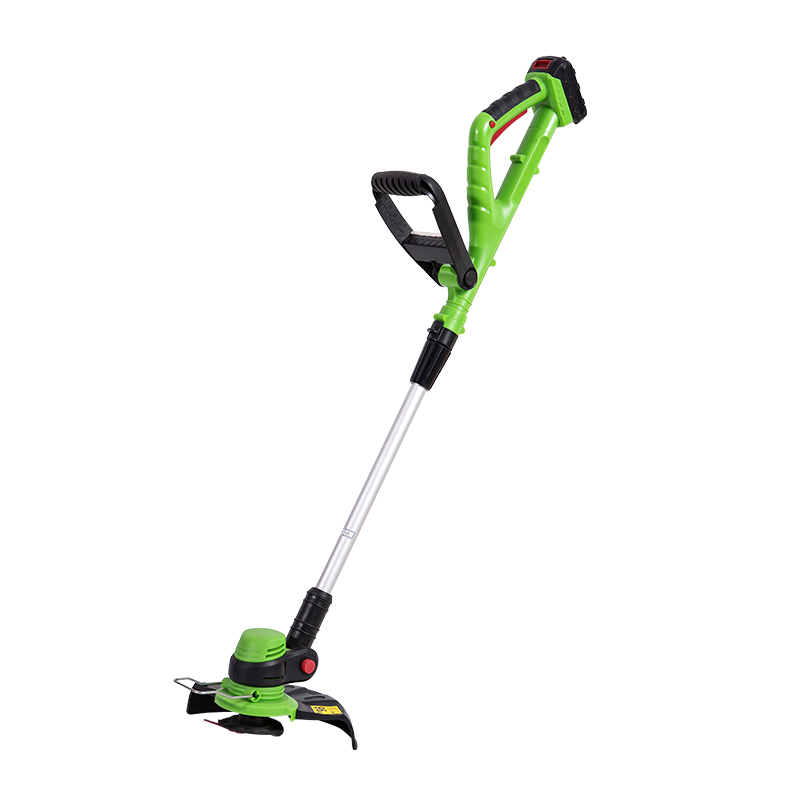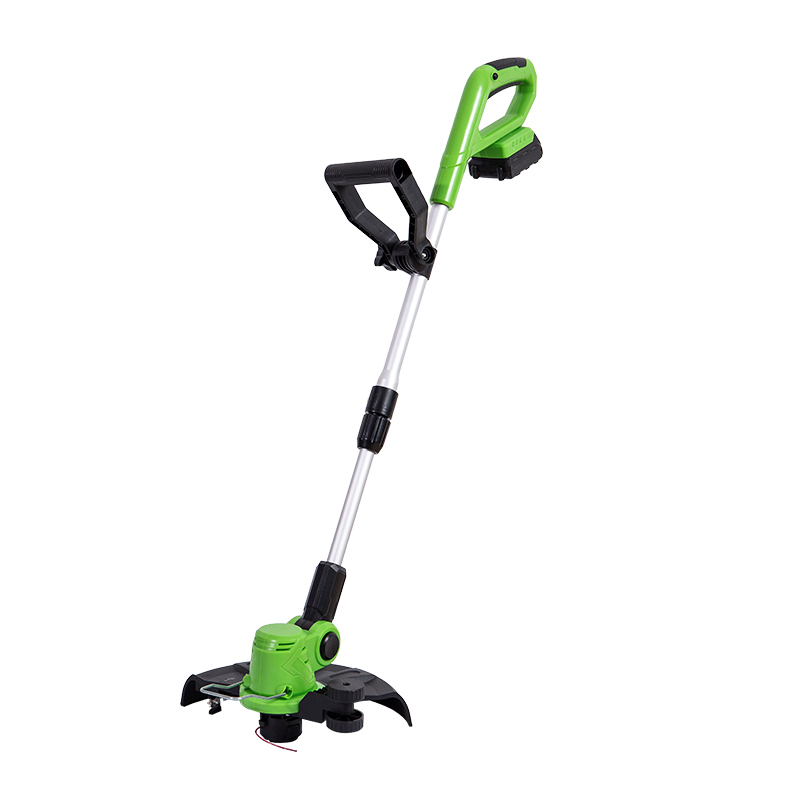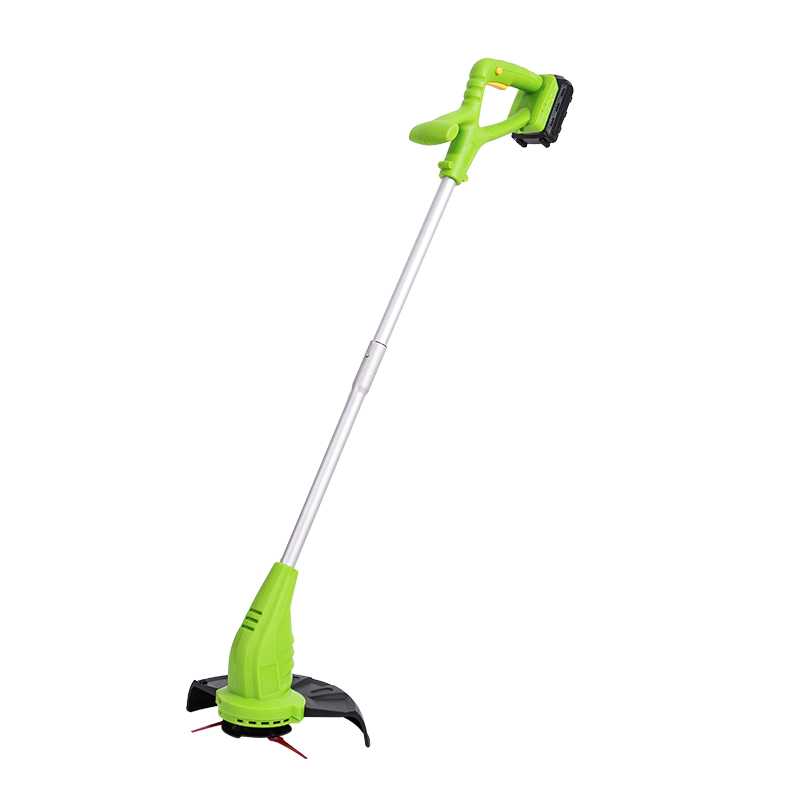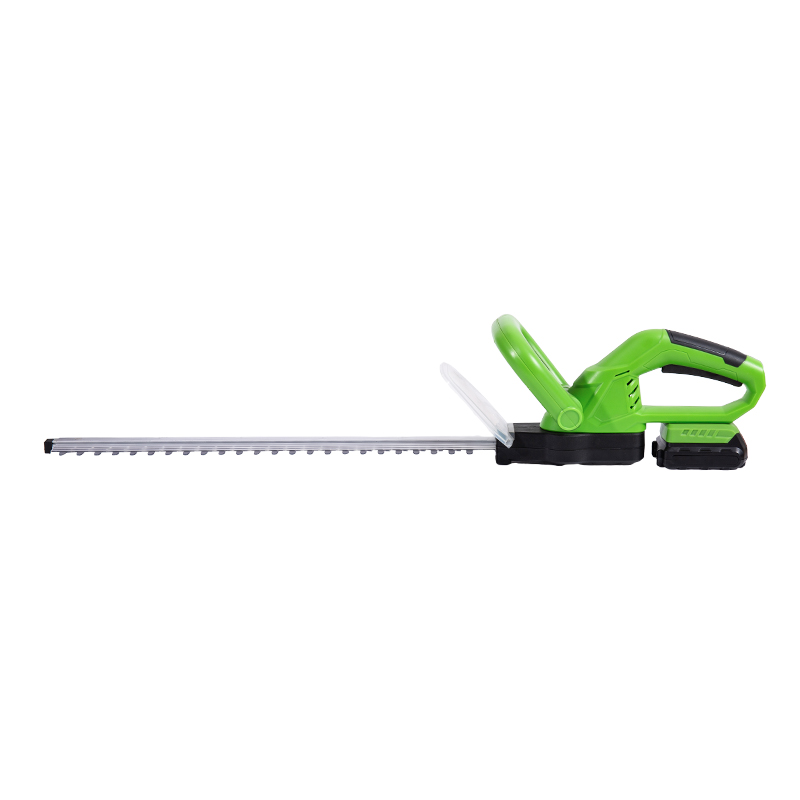
On a single charge, a typical battery string trimmer lasts between 20 and 60 minutes of actual run time. However, this range is broad because real-world duration depends on battery capacity (Ah), voltage (V), and, most critically, the load you place on the trimmer. Under light trimming of dry grass, you might see 45 to 60 minutes; heavy brush or thick weeds can cut that time to under 20 minutes. The key takeaway: runtime is not a fixed number; it is a function of work intensity and battery chemistry.
Battery string trimmers are electrical systems where energy consumption is directly tied to mechanical resistance. Understanding these variables helps you predict and extend usable time per charge.
Capacity is measured in ampere-hours (Ah). A 4Ah battery holds twice the energy of a 2Ah battery at the same voltage. Voltage determines power delivery; higher voltage (for example, 40V versus 20V) typically enables more efficient energy use for demanding tasks. Average 2.5Ah to 5Ah packs are common, with 5Ah units often delivering 50 or more minutes under moderate use.
The trimmer motor draws current proportional to the resistance of the cutting line. Thick, wet grass can increase amp draw by 40 to 60 percent compared to dry, thin grass. Similarly, using a heavy-gauge line (for example, 0.095 inch versus 0.065 inch) increases torque demand, reducing runtime. The table below illustrates typical runtime estimates based on load severity.
| Cutting Condition | Line Diameter | Estimated Runtime (4Ah/40V) |
|---|---|---|
| Light trimming (dry lawn edges) | 0.065 inch | 52 to 58 minutes |
| Medium (normal grass, moderate weeds) | 0.080 inch | 35 to 42 minutes |
| Heavy (thick brush, wet overgrowth) | 0.095 inch | 18 to 24 minutes |
Lithium-ion cells degrade over time. A new battery delivers 100 percent capacity, but after 200 to 300 cycles, usable capacity often drops to 70 to 80 percent. Temperature also affects runtime: operating below 50 degrees Fahrenheit (10 degrees Celsius) can reduce runtime by 15 to 20 percent due to increased internal resistance.
To give you a practical reference, here are typical runtimes observed for a mid-range 40V system with a 4Ah battery pack. These are averages from multiple test runs under consistent conditions.
These numbers highlight that runtime is task-specific. For a typical homeowner, a 4Ah battery covers most weekly maintenance. For professional landscapers, multiple batteries or higher-capacity packs (for example, 6Ah to 8Ah) are essential.
Extending runtime is not just about buying a bigger battery. Operational habits and maintenance can significantly improve efficiency. Follow these actionable tips.
Modern battery trimmers include a BMS that protects cells and optimizes output. The BMS monitors temperature, voltage, and current. When the battery approaches depletion, it may reduce power to prevent over-discharge, which can extend the final minutes of runtime. However, this limp mode can feel like a sudden drop in performance, a sign that the battery is nearly empty. Understanding this behavior prevents frustration and helps you plan your work.
The following diagram illustrates how different variables influence the total runtime of a battery string trimmer on a single charge.
Start: Battery Fully Charged (100 percent SOC)
↓
User Action: Select cutting mode (speed) and line diameter
↓
Load Encountered: Grass density, moisture, thickness
↓
Motor Draw: Amps as a function of load; higher load means higher current
↓
Battery Depletion Rate: (Ah capacity divided by average amp draw) times efficiency
↓
BMS Intervention: Reduces power near cutoff to protect cells
↓
End of Runtime: Trimmer stops or power drops significantly
This flow underscores that runtime is a dynamic outcome of your choices and conditions, not a static specification.
For the average homeowner with a 40V, 4Ah battery, expect 25 to 45 minutes of effective trimming under mixed conditions. If your yard requires more than that, invest in a second battery or choose a model with a larger capacity. Remember that runtime claims on packaging often reflect ideal, no-load conditions. Real-world numbers are 10 to 30 percent lower. By managing your cutting technique and battery health, you can consistently achieve the upper end of the runtime spectrum.
Ultimately, the battery string trimmer runtime is a trade-off between convenience and power. Understanding the factors above gives you the control to maximize every single charge, making your yard work efficient and predictable.
No.888 Zijin Road, Dongshan Town, Wuzhong District, Suzhou City, Jiangsu Province, China, 215107
+86-18994336227
+86-0512-66399580
Copyright © Suzhou Yuyuan Machinery Co., Ltd. All Rights Reserved.
 English
 Español