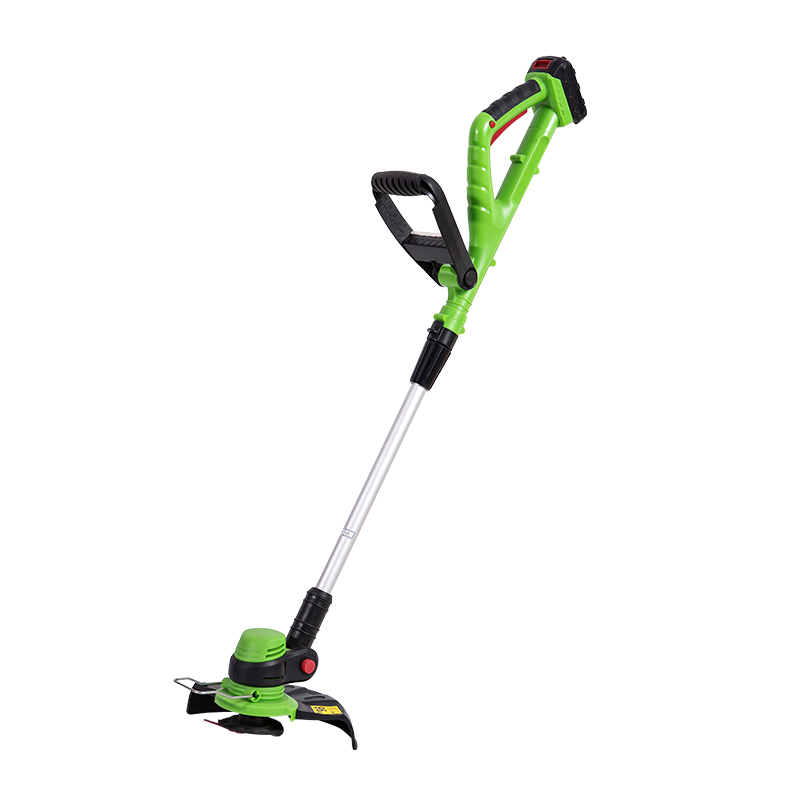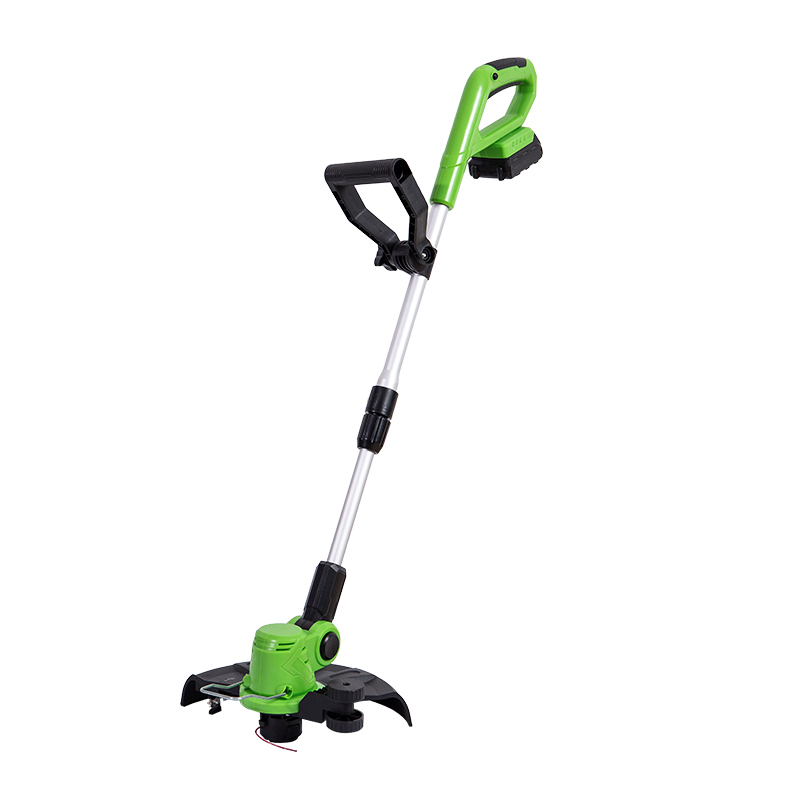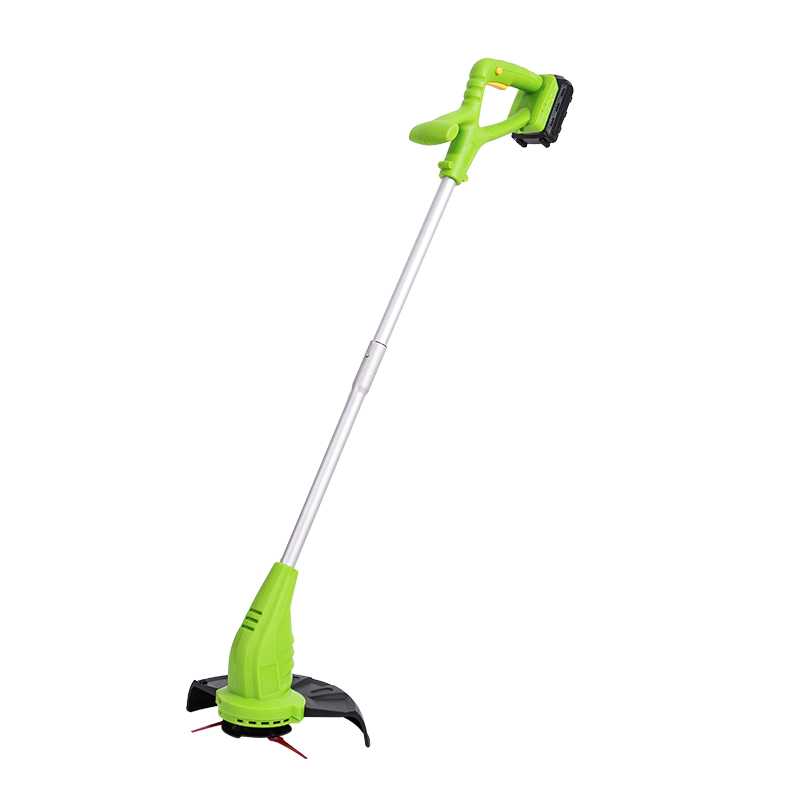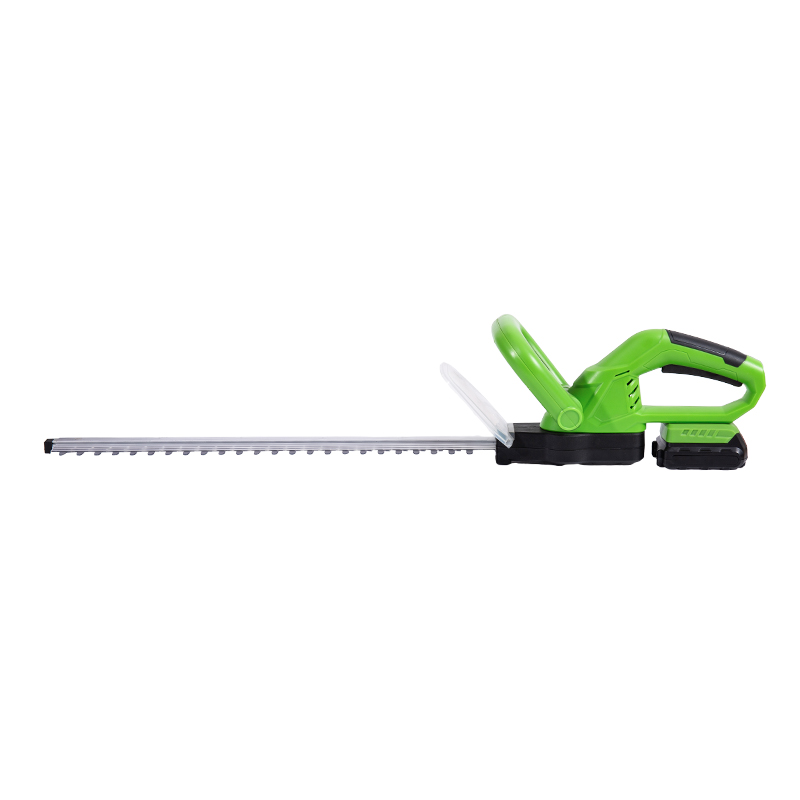
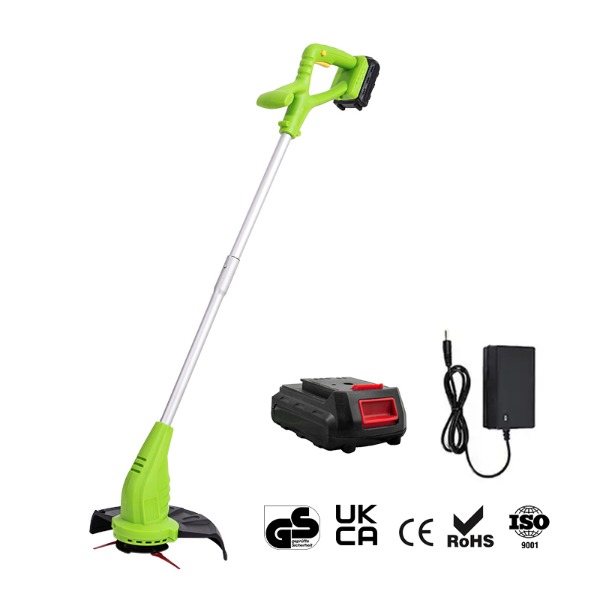
Maintaining a pristine garden requires patience, dedication, and the right equipment. For modern homeowners, transitioning away from heavy, noisy gas-powered equipment has become a priority. A battery string trimmer offers a lightweight, emission-free, and remarkably quiet alternative for managing unruly grass and neatening lawn edges.
However, entering the market reveals a vast array of technical specifications, battery platforms, and ergonomic designs. Selecting the ideal tool involves balancing your specific landscape demands with the performance capabilities of modern cordless technology.
The step in selecting a battery string trimmer is evaluating the physical space it will maintain. The total area, grass density, and layout of your garden dictate the power and battery capacity you will require.
When evaluating a battery string trimmer, two primary electrical metrics define its performance: voltage (V) and ampere-hours (Ah). Together, they determine how hard the tool can work and how long it can operate before requiring a recharge.
Voltage represents the raw muscle of the trimmer. Higher voltage systems spin the cutting head with greater torque, allowing the line to slice through dense vegetation without bogging down. Low-voltage options (typically 18V to 20V) excel at maintaining pre-established edges and trimming soft grass. Mid-range options (36V to 40V) handle standard residential properties with ease. High-voltage platforms (56V and above) approach the performance levels of traditional gas engines, making them suitable for heavy clearing.
Ampere-hours measure the fuel tank capacity of the battery. A higher Ah rating means the battery can deliver current for a longer duration. While a higher Ah battery extends your working time, it also adds significant weight to the tool, which can increase operator fatigue.
| Garden Type | Recommended Voltage | Recommended Battery Capacity (Ah) | Typical Application |
|---|---|---|---|
| Small / Townhouse | 18V – 20V | 2.0 Ah – 2.5 Ah | Light grass trimming, patio edges |
| Medium / Suburban | 36V – 40V | 2.5 Ah – 4.0 Ah | Mixed weeds, fence lines, standard lawns |
| Large / Rural | 56V – 80V | 4.0 Ah – 5.0+ Ah | Thick brush, tall weeds, expansive acreage |
The structural architecture of a cordless grass trimmer profoundly influences its balance, durability, and ease of use. Buyers must choose between different motor placements and shaft styles.
Trimmers featuring a bottom-mounted motor place the weight directly over the cutting head. This design simplifies the mechanical connection, reducing energy loss, but it can make the tool feel nose-heavy. Conversely, top-mounted motors place the weight near the handle, acting as a counterweight to the cutting head and offering overall balance, though they require a drive shaft to transfer power down the tube.
The cutting mechanism itself dictates the efficiency of your lawn maintenance routine. The diameter of the cutting swath and the method used to advance the trimmer line are critical operational considerations.
The cutting swath refers to the diameter of the circle the line makes while spinning. A wider swath (14 to 16 inches) clears large areas rapidly, reducing total working time. A narrower swath (10 to 12 inches) provides greater precision in confined spaces, preventing accidental damage to delicate ornamental plants and flowers.
Trimmer line wears down naturally during contact with hard surfaces like brick, concrete, and fencing. Manufacturers utilize distinct systems to advance new line:
Because trimming involves holding a tool aloft for extended intervals, physical comfort cannot be overlooked. A well-engineered tool minimizes physical strain on the back, shoulders, and wrists.
The total weight of a battery string trimmer includes the battery pack. When evaluating a tool, consider its total operational weight rather than its bare weight. Look for models featuring adjustable auxiliary handles, which allow you to customize the grip point to match your height and arm length.
Electric motors inherently vibrate less than internal combustion engines, but prolonged exposure to any vibration can cause hand numbness. High-quality garden power tools integrate rubberized overmolds and vibration-isolation joints to absorb these micro-shocks before they reach the operator’s hands.
Choosing the right battery string trimmer requires aligning your property’s layout with the technical variables of power, run time, and ergonomics. By analyzing the density of your yard’s vegetation, choosing an appropriate voltage class, and selecting a comfortable shaft configuration, you invest in a tool that transforms routine lawn care from a tedious chore into a seamless, satisfying experience. Prioritize a balanced design that offers the power you need today, while providing the operational comfort required to maintain your outdoor sanctuary for years to come.
No.888 Zijin Road, Dongshan Town, Wuzhong District, Suzhou City, Jiangsu Province, China, 215107
+86-18994336227
+86-0512-66399580
Copyright © Suzhou Yuyuan Machinery Co., Ltd. All Rights Reserved.
 English
 Español